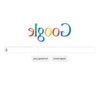
2015 April Fools Day
Published April 6, 2026
Also known as: April Fools' Day 2015 · April Fools 2015
2015 April Fools' Day was a peak year for corporate internet pranks, with Google, Samsung, CERN, and dozens of other companies flooding the web with fake product announcements and absurd press releases on April 1st, 2015. Google's playable Pac-Man on Google Maps stole the show, while Samsung's Galaxy BLADE edge smart knife and CERN's Star Wars-themed "discovery of the Force" became some of the most shared gags of the day1. The sheer volume of coordinated brand pranks in 2015 marked a turning point where April Fools' Day became less about tricking people and more about viral marketing dressed up as humor7.
Overview
Every year on April 1st, the internet braces for a wave of fake announcements, prank products, and absurd press releases from tech companies and brands competing for viral attention. 2015 was one of the biggest years for this tradition, with Google alone launching at least eight separate gags across its product lineup5. The day turned into something like "Super Bowl Sunday for dad jokes," as CNN put it, a 24-hour content blitz where companies raced to out-prank each other for clicks and social media shares1.
The 2015 crop of pranks leaned heavily into fake products and absurd feature announcements. Samsung unveiled a "smart knife," CERN claimed to have discovered the Force from Star Wars, and Google turned its Maps app into a Pac-Man game. Media outlets ran live blogs tracking every prank as it dropped, turning the whole affair into a spectator sport7.
Gallery
Origin & Background
How It Spread
How to Use This Meme
2015 April Fools' Day content works best as a reference point or annual callback. People typically use it in a few ways:
Sharing old pranks: Links to Samsung's Galaxy BLADE page or CERN's Force press release get recirculated every April as "remember this?" content
Comparing years: "2015 was peak April Fools" posts use specific pranks from the year as a benchmark against newer, lazier efforts
Corporate prank criticism: The 2015 wave is often cited when people complain about brands turning April Fools' into a marketing exercise rather than actual comedy
Cultural Impact
Fun Facts
Samsung's Galaxy BLADE edge page included a footnote that the premium mammoth tusk ivory handle was "made from real mammoth tusk, found beneath the surface of the North Sea"2
Google launched at least eight separate April Fools' pranks in 2015, more than any other single company5
CERN's fake Force press release included a TIE detector (Thermodynamic Injection Energy) at the LHC that "makes a really cool sound when the beams shoot out of it"3
The cancellation process for Samsung's fake blood sensor emergency call required scanning a fingerprint, swiping a security pattern, entering a 15-digit password, and singing along to a randomly selected song from your Milk Music station2
Lifehacker specifically warned readers on its roundup: "have fun with the day and don't be a dick"5
Derivatives & Variations
Google Maps Pac-Man revival
The Pac-Man feature was popular enough that Google brought back similar interactive Maps games in subsequent April Fools' celebrations[5]
ThinkGeek real products
Several ThinkGeek April Fools' products from various years, including some from 2015 like the Game of Thrones Clue board game, ended up becoming real products due to popular demand[5]
Annual prank roundup articles
The 2015 cycle helped establish the format of media outlets publishing live-updating April Fools' roundup posts, a practice that CNN, The Verge, and others repeated in following years[1][7]
Frequently Asked Questions
References (10)
- 1
- 2
- 3
- 4List of April Fools' Day jokesencyclopedia
- 5
- 6
- 7
- 8
- 9
- 10