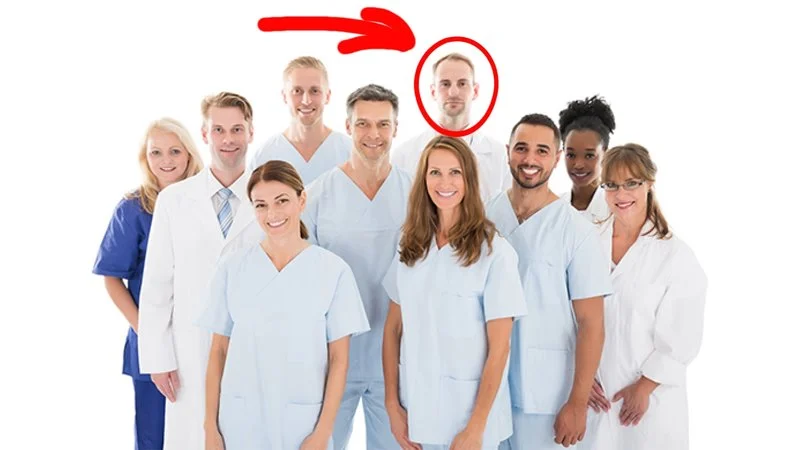
9 Out Of 10 Dentists

1976Image macro / exploitable templatesemi-active

Also known as: 4 out of 5 Dentists · 9 out of 10 Doctors · The Tenth Dentist

"9 out of 10 Dentists" is a meme based on the advertising trope where dental professionals overwhelmingly endorse a product, leaving one mysterious holdout. The format traces back to a real 1976 survey commissioned by Trident gum's parent company, Warner-Lambert, and the joke about the dissenting dentist has been a comedy staple since at least the late 1990s. The meme hit peak internet popularity in 2019 when Reddit's r/dankmemes turned the rebellious tenth dentist into a folk hero.

Overview

The meme riffs on a familiar setup from toothpaste and gum commercials: a near-unanimous panel of dentists recommends the product, but one lone dentist refuses. In meme form, the joke centers on that one dissenter. Creators typically show a grid of characters (often nine identical reactions plus one outlier) or depict the holdout dentist as a renegade, villain, or chaotic wildcard. The humor comes from imagining what kind of unhinged dental professional would break ranks with their entire profession.

The trope started with a real survey. In July 1976, the Warner-Lambert Company hired a market research firm to poll 1,200 dentists about chewing gum2. The dentists were asked whether they'd recommend sugared gum, sugarless gum, or no gum at all to patients who already chewed gum. Sugarless gum won with 85 percent of responses1. Warner-Lambert rounded that down to "four out of five" for its Trident ad campaign, and the slogan "four out of five dentists surveyed recommend sugarless gum for their patients who chew gum" became one of the most recognizable taglines in American advertising2.

The question of what the fifth dentist actually recommended was answered publicly on November 21, 1980, when Cecil Adams' *The Straight Dope* column in the *Chicago Reader* tackled a reader's letter about it3. The answer was anticlimactic but funny: the fifth dentist typically recommended no gum at all2. As Adams put it, that's "not the kind of advice a chewing-gum company wants to play up real big"2.

Over the decades, the "X out of Y professionals recommend" formula spread to other brands. Crest, Sensodyne, Colgate, and other toothpaste manufacturers all ran variations of the claim in their own commercials3.

Origin & Background

Platform
Television advertising (trope), Reddit (meme format)
Key People
Unknown, IlConteiacula
Date
1976 (advertising trope), 2019 (meme format)

The trope started with a real survey. In July 1976, the Warner-Lambert Company hired a market research firm to poll 1,200 dentists about chewing gum2. The dentists were asked whether they'd recommend sugared gum, sugarless gum, or no gum at all to patients who already chewed gum. Sugarless gum won with 85 percent of responses1. Warner-Lambert rounded that down to "four out of five" for its Trident ad campaign, and the slogan "four out of five dentists surveyed recommend sugarless gum for their patients who chew gum" became one of the most recognizable taglines in American advertising2.

The question of what the fifth dentist actually recommended was answered publicly on November 21, 1980, when Cecil Adams' *The Straight Dope* column in the *Chicago Reader* tackled a reader's letter about it3. The answer was anticlimactic but funny: the fifth dentist typically recommended no gum at all2. As Adams put it, that's "not the kind of advice a chewing-gum company wants to play up real big"2.

Over the decades, the "X out of Y professionals recommend" formula spread to other brands. Crest, Sensodyne, Colgate, and other toothpaste manufacturers all ran variations of the claim in their own commercials3.

How It Spread

The dissenting dentist became a comedy punchline well before the internet meme era. The earliest known joke riffing on the trope is attributed to American TV host Jay Leno, made before July 23, 19983.

The format found its internet-native form in 2019, when it exploded on Reddit. On August 9, 2019, Redditor IlConteiacula posted a meme to r/dankmemes captioned "A New Toothpaste Is Released; Dentists:" featuring ten images of Smudge the Cat, nine showing a positive reaction and one negative3. The post pulled in over 45,900 upvotes in four days3.

That post kicked off a wave. In the days that followed, the format spread across r/dankmemes, r/memes, and r/ShitPostCrusaders, with users swapping in different characters and reaction images for the nine agreeing dentists and the one rebel3. The template was flexible enough to work with almost any set of reaction images, which helped it catch on fast.

How to Use This Meme

The standard format works like this:

1

Set up the premise with a caption like "A new toothpaste is released" or "Dentists when [brand] drops a new product."

2

Show a grid of characters or reaction images. Nine of them display agreement, approval, or enthusiasm.

3

The tenth one shows the opposite: refusal, chaos, villainy, or absurdity.

Cultural Impact

The original "four out of five dentists" claim shaped decades of consumer advertising strategy. Warner-Lambert's 1976 survey became the template for an entire genre of professional-endorsement marketing1. The phrasing was so effective that other oral care brands adopted nearly identical claims for their own products3.

The survey itself had some notable fine print that later commentary exposed. The original poll didn't ask about Trident specifically; it asked about sugarless gum in general1. Early ads reflected this accurately, but later campaigns quietly shifted to imply a Trident-specific endorsement1. The fifth dentist's recommendation of "no gum at all" was arguably the most complete medical advice of the bunch, since they were telling patients to stop chewing gum entirely rather than just switching brands1.

There's a scientific footnote too: some sugarless gums, including Trident, contain xylitol, an antimicrobial compound that fights tooth decay. The American Dental Association has endorsed xylitol's benefits, though you'd need to chew two or three pieces daily to see results1. Finland ran a public health initiative where children chewed xylitol gum to reduce cavities, with measurable positive outcomes1.

Fun Facts

The actual survey result was 85%, or 17 out of 20 dentists, but "four out of five" was catchier and technically accurate as a rounded-down figure1.

Nobody involved in the original survey seems to remember exactly how many dentists recommended sugared gum, though Cecil Adams speculated there had to be at least one2.

Warner-Lambert, the company behind Trident and the original survey, no longer exists as an independent company1.

Xylitol, found in sugarless gum like Trident, is toxic to dogs, so the dentists' gum recommendation comes with a veterinary asterisk1.

Frequently Asked Questions