Bait And Switch Videos Pictures

2005trolling media formatclassic

Published August 16, 2026

Bait And Switch Videos Pictures is a family of internet trolling media that lures viewers with fake links, misleading titles, or bogus thumbnails and delivers something they did not expect. The format ranges from harmless pranks like Rickrolling to shock videos and screamer clips that jolt unsuspecting clickers.

Overview

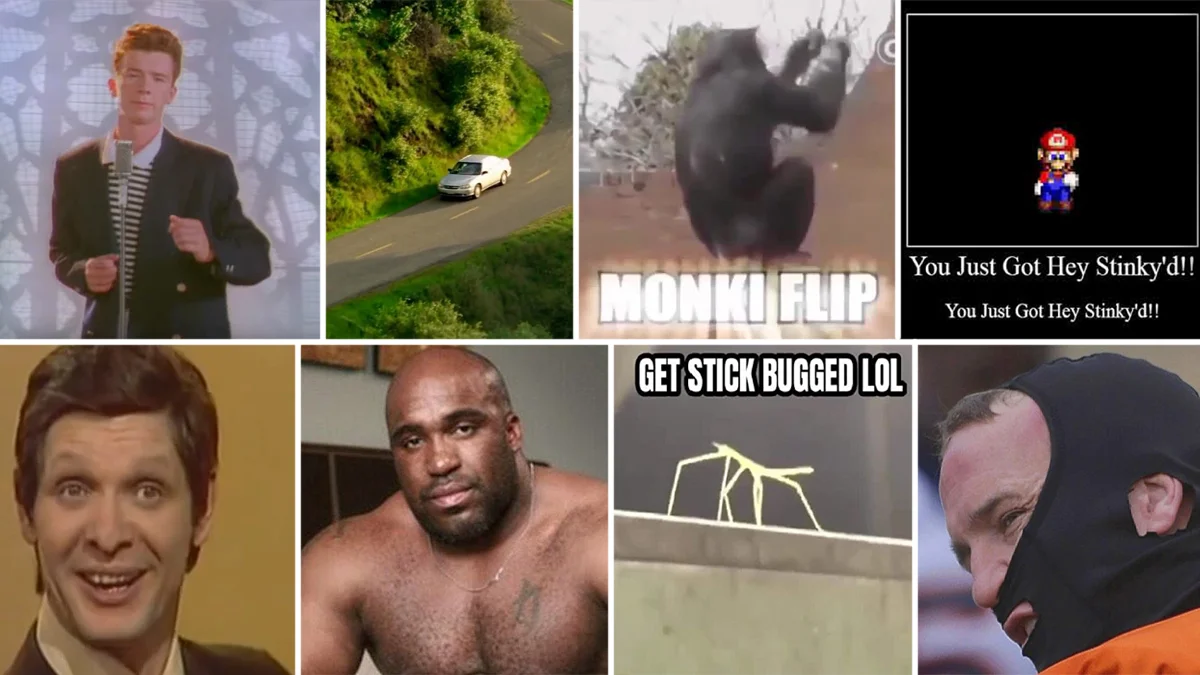
Bait And Switch Videos Pictures covers trolling clips and images that trick viewers into seeing something they did not sign up for through fake links, misleading titles, or off-topic thumbnails, with the payoff running from silly to genuinely disturbing3. Rickrolling sits at the friendly end of the format, while older shock links routed people to gore sites or screamer clips designed to jolt them out of their chairs4.

The technique borrows its name from a retail scam where a shop advertises one product then pushes a different one on customers who walk in1. Online, the same trick moves in seconds: a link promises one thing, delivers another. It works because clicking is such a small commitment that few viewers vet the destination before tapping.

Origin & Background

Platform
YouTube / 4chan (viral spread)
Date
2005

The bait-and-switch idea long predates the internet, with one of the earliest written references appearing in Zhang Yingyu's The Book of Swindles, a 1617 Chinese collection of con-artist stories from the late Ming dynasty1. Online, one of the earliest widely shared examples was the 'Ghost Car' clip uploaded on July 30, 2005 by YouTuber mrsmithereen, a European commercial that shows a car winding through green hills before a ghoulish face lunges at the camera with a scream2.

Rickrolling followed a year later. Musician Erik Helwig, who later performed as Hot Dad, said he prank-called a Michigan sports radio station on August 31, 2006 and held the phone up to a speaker playing Rick Astley's 'Never Gonna Give You Up'3. He detailed the story in a YouTube video titled 'I Did the First Rickroll (w/ Proof)' posted on August 7, 2015.

How It Spread

Rickrolling spread quickly as forum users on 4chan and Reddit dressed up the 'Never Gonna Give You Up' link as bait for unrelated topics. YouTube uploads of the music video climbed into the hundreds of millions of plays4, and the gag bled into email chains, corporate presentations, and live news broadcasts over the following years.

Beyond Rickrolling, the format branched into darker territory. Screamer bait, jump-scare edits, and shock-site redirects, along with clips that looked safe before cutting to graphic material, all borrowed the same setup. The Ghost Car video alone racked up over 37.5 million views as an early template for jump-scare bait2.

By the 2010s, misleading thumbnails and clickbait titling on YouTube used the same trick at scale, with creators promising outrageous footage in preview images that had nothing to do with the actual video. Platforms tightened rules around deceptive metadata as the format spread into ad networks and scam pages.

How to Use This Meme

A typical bait-and-switch pairs a lure with a payoff the viewer would not have clicked on knowingly. The lure is often a promising title, a plausible thumbnail, or a hyperlink dropped into an unrelated conversation. Common payoffs include the Rick Astley music video, a screamer clip, or in less friendly cases, shock content or a malicious redirect.

Frequently Asked Questions