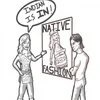
Cultural Appropriation
Published March 23, 2026
Also known as: cultural theft · cultural erasure
Cultural appropriation is a long-running internet discourse and recurring source of viral debates, memes, and culture war flashpoints. The term originated in 1970s academia to describe the adoption of marginalized cultural elements by dominant groups, but it exploded into mainstream internet vocabulary in the 2010s through Twitter arguments, Tumblr callouts, and high-profile celebrity controversies involving figures like Iggy Azalea, Katy Perry, and Gwen Stefani18. The phrase "my culture is NOT your goddamn prom dress" became one of the most recognizable catchphrases of the discourse when it went mega-viral in 201812.
Overview
Cultural appropriation refers to when members of a dominant cultural group adopt elements from a marginalized culture in ways considered exploitative, disrespectful, or reductive1. Online, the term functions less as a fixed meme template and more as a perpetual debate engine. It generates viral moments whenever a celebrity wears something, a brand launches a product, or a random person posts a photo that triggers the "appreciation vs. appropriation" argument cycle. The discourse follows a predictable pattern: someone shares an image or video of a perceived offense, outrage spreads, defenders push back, think pieces pile up, and the whole thing repeats weeks later with a new target.
The concept sits at the intersection of race, identity politics, postcolonialism, and pop culture, making it one of the internet's most reliably combustible topics3.
Gallery
Origin & Background
How It Spread
How to Use This Meme
Cultural appropriation discourse operates online through several common formats:
The callout post. Someone shares an image or video of a perceived instance and labels it cultural appropriation, often tagging the person or brand involved. The most effective ones pair visuals with a punchy caption.
The appreciation vs. appropriation debate. Users typically present two contrasting examples, one framed as acceptable cultural exchange and the other as harmful appropriation, then ask where the line falls1.
The parody format. After the 2018 prom dress incident, users began creating jokes using the template "my culture is NOT your goddamn [mundane object]" applied to absurd situations12.
The whataboutism response. Defenders commonly point to examples of non-Western cultures adopting Western elements, asking why that doesn't count as appropriation. This pattern is predictable enough to be memed itself3.
The celebrity callout cycle. When a public figure is photographed wearing something from another culture, the internet follows a near-scripted sequence: initial outrage, defenses, think pieces, counter-think pieces, and eventual exhaustion until the next incident.
Cultural Impact
Full History
Fun Facts
The term "cultural appropriation" didn't get a formal dictionary definition until 2017, despite being used in academia since the 1980s3.
Margaret Cho compared Gwen Stefani's Harajuku Girls to "blackface" in 2005, writing "racial stereotypes are really cute sometimes, and I don't want to bum everyone out by pointing out the minstrel show"10.
The 2013 Harlem Shake meme craze generated an estimated 4,000 new videos uploaded to YouTube per day at its peak, effectively burying the original Harlem Shake dance in search results5.
Harvard's Martin Puchner found that only 7% of incoming first-year students expressed interest in any humanities subject, a decline from the low 20s just a decade earlier, which partly motivated his book on cultural borrowing throughout history4.
Jeremy Lam's "prom dress" tweet generated such universal mockery that one observer called him "a uniter, not a divider" for bringing people of all backgrounds together in agreement that he was wrong12.
Derivatives & Variations
"My culture is NOT your goddamn prom dress"
The 2018 tweet by Jeremy Lam became a standalone meme template, with users replacing "prom dress" with absurd objects for comedic effect[12].
"Appreciation vs. Appropriation" debate format
A recurring discussion template where users present paired examples and argue about where the line falls, often cycling through the same arguments[1].
Blackfishing callouts
A specific sub-genre focused on white celebrities or influencers adopting Black physical features through makeup, tanning, and hairstyles[1].
Spirit animal discourse
The casual use of "spirit animal" as internet slang (e.g., "pizza is my spirit animal") drew pushback from Indigenous communities who consider the concept sacred, spawning its own appropriation sub-debate[3].
Deep fried memes connection
Scholar Aria Dean and others drew explicit connections between the aesthetics of deep fried memes, their Black Twitter origins, and broader patterns of cultural appropriation in meme culture[9].
Frequently Asked Questions
References (21)
- 1
- 2
- 3
- 4Internet memeencyclopedia
- 5
- 6
- 7
- 8
- 9
- 10
- 11
- 12
- 13
- 14
- 15
- 16
- 17
- 18
- 19
- 20
- 21