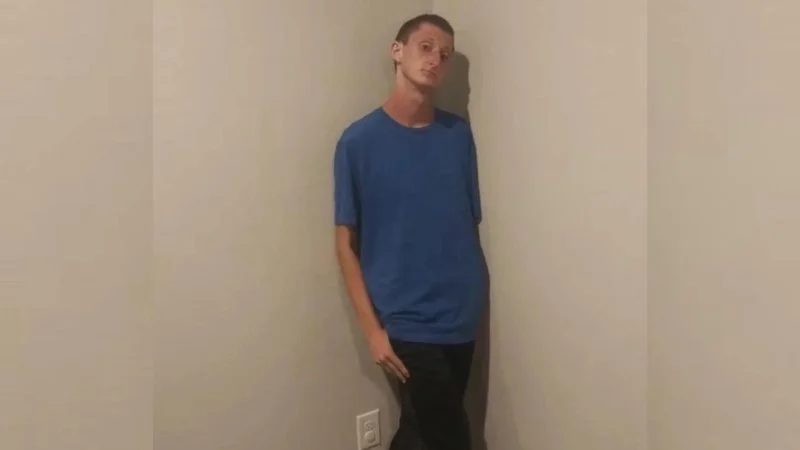
Daniel Larson Standing In A Corner
Published July 28, 2026
Also known as: Larson In A Corner · Daniel Larson Corner Meme
Daniel Larson Standing In A Corner is a reaction image and exploitable meme featuring internet personality Daniel Larson looking dejected in the corner of a room, wearing a blue shirt and dark pants. The photo first went viral on X (formerly Twitter) in January 2024, then experienced a major second wave on TikTok in late December 2024 when users paired it with sad music and POV captions about embarrassment and overdramatic reactions to minor social situations.
Overview
The meme centers on a single photo of Daniel Larson, an internet personality and lolcow, standing alone in the corner of a room. He's wearing a blue shirt and black pants, and his posture and facial expression read as defeated, ashamed, or deeply embarrassed. The image works as a universal stand-in for that specific feeling of wanting to disappear after doing something cringe or getting socially rejected. Users typically overlay POV text describing a relatable (and usually exaggerated) scenario of shame, paired with melancholy music2.
Gallery
Origin & Background
How It Spread
How to Use This Meme
The format is straightforward. Take the Daniel Larson corner photo and add text describing a situation where you'd feel embarrassed, ashamed, or dramatically hurt. Common conventions include:
Start with a POV or scenario setup in text overlay
The scenario should be something minor but emotionally devastating in an exaggerated way (a friend not texting back, someone saying they already saw the meme you sent, getting left on read)
Use the Larson corner image as the visual punchline
On TikTok, pair with a sad or dramatic song like Gnash's "I Hate U, I Love U"
Fun Facts
The original @tatbaee post sat at over 17 million views a full year after posting, making it one of the more successful single-image meme posts on X in early 20242.
The meme's TikTok revival happened almost exactly one year after the original X post went viral.
@jessie.eiland's version achieved roughly 100 times the engagement of @ariii.enese's version posted just two days earlier, showing how fast a format can scale once the right post catches the algorithm2.
Derivatives & Variations
Gnash "I Hate U, I Love U" pairing:
The specific TikTok format using this song as the audio backdrop became the dominant variation in late 2024, distinguishing the TikTok exploitable from the original X reaction image usage[2].
Frequently Asked Questions
References (2)
- 1
- 2