December 21St 2012
Published March 24, 2026
Also known as: 2012 Mayan Apocalypse · Mayan Doomsday · End of the Mayan Calendar · 2012 Phenomenon
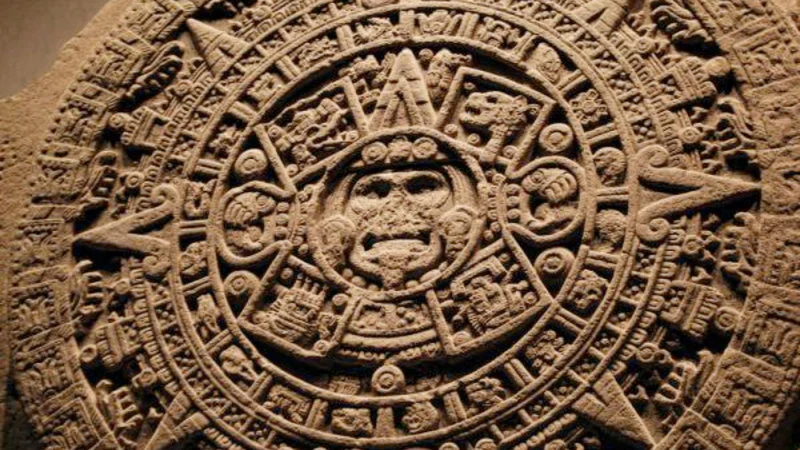
December 21st, 2012, was the date that a misread Mayan calendar told the internet the world would end. Based on the conclusion of a 5,126-year cycle in the Mesoamerican Long Count calendar, the supposed doomsday prediction became one of the biggest meme events of the early 2010s, fueled by Roland Emmerich's blockbuster disaster film *2012* and years of escalating internet jokes, conspiracy theories, and genuine panic. When the date passed without incident, the whole thing became an enduring punchline about hype cycles and failed prophecies.
Overview
The December 21st, 2012 meme centered on the widely circulated belief that the world would end when the Mesoamerican Long Count calendar completed its 13th bʼakʼtun cycle. The date became a lightning rod for apocalyptic predictions, New Age spiritual awakening theories, conspiracy content, doomsday prepper culture, and an enormous wave of internet humor. Memes ranged from sincere panic to absurdist jokes about bucket lists, last meals, and "see you on the other side" posts. The format typically involved either mocking the prediction or pretending to take it seriously for comedic effect.
What made December 21st, 2012 such fertile meme ground was the long buildup. Years of internet discussion, a $791 million disaster movie, NASA fielding hundreds of panicked phone calls daily, and businesses slapping "end of the world" branding on everything created a slow-rolling wave that crested on December 21st and immediately collapsed into a global punchline on December 22nd.
Gallery
Origin & Background
How It Spread
How to Use This Meme
The December 21st, 2012 meme typically appears in a few formats:
Nostalgia posts referencing the collective experience of "surviving" the Mayan apocalypse, often with screenshots of old social media posts from the date
Comparison memes contrasting the 2012 doomsday with actual bad events (especially popular during 2020), using formats like "2012: the world is ending! / 2020: the world is actually ending"
Failed prediction references invoking December 21st whenever a new apocalyptic claim surfaces ("remember when we were supposed to die in 2012?")
Ironic bucket list posts listing absurd things to do before the world ends
"Nothing happened" reaction memes showing the anticlimax of waking up on December 22nd
Cultural Impact
Full History
Fun Facts
NASA's pre-published press release dated December 22, 2012, titled "Why the World Didn't End Yesterday," is one of the few times the agency issued a document debunking an event before it happened3
The most expensive Mayan apocalypse hotel package was $79,000 per couple at the Rosewood Mayakoba in Mexico4
Over 13,000 people gathered at the Egyptian pyramids to meditate as the calendar turned over11
Carl's Jr. built a 12-patty, 12-cheese, 12-bacon burger for the occasion and tagged it #burgergeddon6
Michigan closed 33 schools due to Mayan doomsday fears spreading among parents10
A Chinese farmer in Xinjiang spent his entire life savings (about £100,000) building a 60-tonne steel survival barge2
Derivatives & Variations
Nibiru / Planet X memes
The Nibiru cataclysm theory merged with the 2012 prediction, creating its own sub-genre of doomsday content that has since attached to multiple later dates[8]
Doomsday prepper content
Chinese survival arks (Yang Zongfu's "Atlantis" and others) became memes in their own right, symbolizing the absurd extremes of apocalypse preparation[7][2]
"Party Like There's No To-Maya" packages
Hotel and brand marketing around the date generated its own wave of screenshots and reaction content[4][6]
Project Mayhem 2012
An Anonymous-adjacent digital activism project that used the date as a rallying point for coordinated information leaks[13]
Post-2012 callback memes
Every subsequent doomsday prediction (blood moons, asteroid flybys, Y2K38) triggers a wave of "we already survived 2012" response memes[3]
NASA press release meme
NASA's pre-dated "Why the World Didn't End Yesterday" release became a frequently shared screenshot[3]
Frequently Asked Questions
References (19)
- 1
- 2
- 3
- 42012 phenomenonencyclopedia
- 5December 21st, 2012 - Urban Dictionarydictionary
- 6Mesoamerican Long Count calendar - Wikipediaencyclopedia
- 72012 (film) - Wikipediaencyclopedia
- 82012 phenomenon - Wikipediaencyclopedia
- 9Nibiru cataclysm - Wikipediaencyclopedia
- 10
- 11
- 12
- 13
- 14
- 15
- 16
- 17
- 18
- 19