Dungeons And Dragons
Published August 19, 2026
Dungeons & Dragons is the tabletop role-playing game created by Gary Gygax and Dave Arneson in 1974, where players build fantasy characters and roll polyhedral dice under a Dungeon Master. It grew from a niche wargame offshoot into decades of video games, cartoons, and internet jokes like the 2017 #GOPDnD hashtag.
Overview
Dungeons & Dragons is a tabletop role-playing game where players build fantasy characters and guide them through adventures run by a Dungeon Master1. Each player picks a race, class, ability scores, and one of nine moral alignments from the Player's Handbook, then rolls polyhedral dice to resolve actions3. The DM narrates the world, controls the monsters, and consults the Dungeon Master's Guide and Monster Manual to shape each session4.
The game runs on shared storytelling backed by rulebooks, dice, and character sheets. Its DNA showed up in fantasy video games, novels, and TV, and Wizards of the Coast still publishes and updates the core D&D line1.
Gallery
Origin & Background
How It Spread
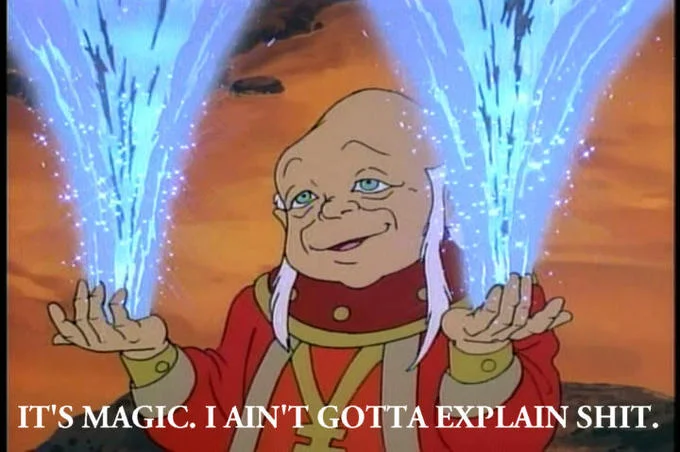
How to Use This Meme
A typical D&D session gathers three or more players around a table with dice, character sheets, and rulebooks4. The DM sets a scene, players describe their actions in character, and dice rolls decide the outcomes, with the DM acting as the final rules referee4. Long-running games often span months or years as characters level up through linked adventures called campaigns.