Flash Mob
Published August 6, 2026
Flash Mob is a coordinated public gathering where strangers meet at a set time and place through digital invites, perform a brief and often absurd act, then quickly disperse. The format was invented by Harper's Magazine editor Bill Wasik in 2003 as a social experiment about hipster conformity, starting with a 'love rug' stunt at a Manhattan Macy's and spreading worldwide within months.
Overview
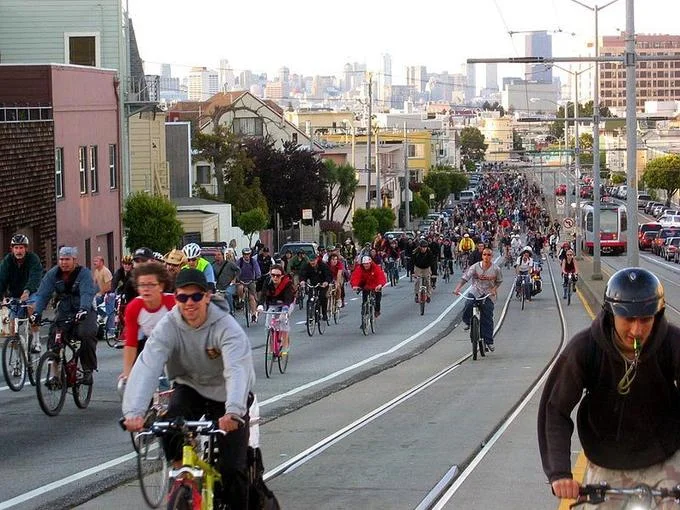
Flash Mob refers to an ad-hoc public gathering organized through digital channels where participants meet at a specific location to perform a brief, often silly act before scattering1. The core appeal sits in the disconnect between the crowd's coordinated behavior and the confusion of bystanders who have no idea what is happening, with early events including a hunt for a nonexistent 'love rug' at Macy's and 40 Berliners shouting 'yes, yes!' into their mobile phones on a busy street6.
The format sits at the intersection of participatory art, street theater, and a live demonstration of what mass digital coordination can pull off in a shared physical space1. What sets a flash mob apart from a normal protest or gig is the lack of an obvious message and the speed of dispersal, with most events wrapping in a few minutes3. The mob itself is usually strangers, brought together by a single set of instructions and united only by a willingness to look silly in public7.
Gallery
Origin & Background
How It Spread
How to Use This Meme
A typical flash mob involves picking a public place with heavy foot traffic, distributing precise time and instructions through email, text, or a private forum to participants who often do not know each other, then executing a short bit before scattering6. Common conventions include the 'freeze', where every participant holds a still pose at a set cue, plus the pillow fight, synchronized applause, and the choreographed dance number set to a pop song4. Organizers often keep the exact action secret until minutes before the event, both to preserve surprise for bystanders and to keep the group's own reaction genuine on camera7.
Frequently Asked Questions
References (8)
- 1
- 2
- 3
- 4
- 5
- 6
- 7
- 8