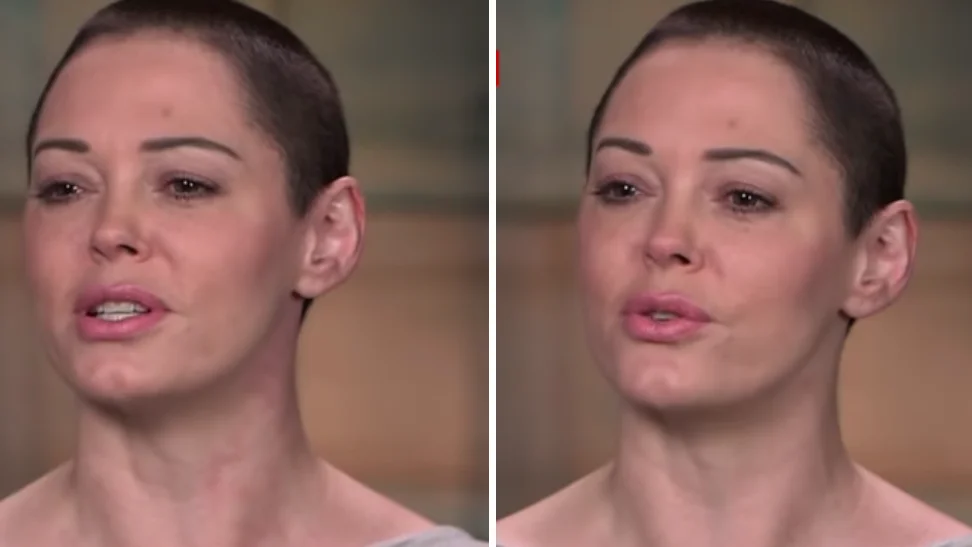
Imagine How Tired We Are
Published November 15, 2026
Rose McGowan said "imagine how tired we are" during a May 2018 Good Morning America appearance about Harvey Weinstein's arrest, speaking for sexual assault survivors. Fifteen months later, Twitter users began clipping that single line as a reaction video for anything mildly exhausting, from stan account complaints to Sims bathroom accidents. By September 2019, reposts were hitting 40,000 likes and UK outlet The Tab published an explainer on the trend.
Overview
Posts built on Imagine How Tired We Are typically open with a setup describing someone else's trivial complaint or dramatic statement, then cut to the McGowan clip as the deadpan reply from a group that has heard it before. Humor comes from the contrast, with a weighty moment from a sexual assault survivor repurposed to answer things like Simmers watching their characters pee themselves or horoscope fans explaining emotional water moons1. Replies tend to run visual, with the clip loaded directly into the tweet rather than linked out.
Most versions pair McGowan's line with an implied in-group speaking back to an outsider, which is why early entries targeting stan accounts and niche fandoms caught on first4. By September 2019 the reaction was being applied to K-pop verse ordering, drinking stories and religious parasocial jokes, and The Tab called the format writer Bella Eckert's "whole mood for 2019"1.
Gallery
Origin & Background
How It Spread
Timeline
2018-05-25
Rose McGowan appears on Good Morning America and says "imagine how tired we are" while discussing Harvey Weinstein's arrest.
2019-07
Twitter user itstarekali posts a trimmed clip of the McGowan line; the tweet is later deleted.
2019-08-25
@dewnotwayt applies the clip to "jesus stans," picking up around 20,200 likes.
2019-09-01
@aIonsogarcia uses the clip to answer friends claiming to be tired of blacking out; the tweet pulls roughly 39,900 likes.
2019-09-04
The Tab publishes an explainer on the Imagine How Tired We Are reaction format.
How to Use This Meme
People typically quote tweet or reply with the clip when someone voices a complaint that the responder's own group already deals with at a worse level. The common convention is to frame the setup as a dramatic statement from an outsider, then let the McGowan clip play as the collective eye roll, often without any added caption3.
Frequently Asked Questions
References (7)
- 1
- 2
- 3
- 4
- 5
- 6
- 7