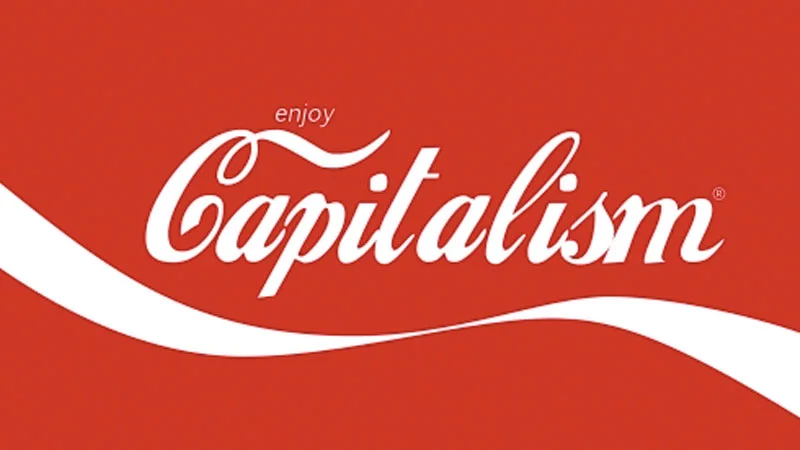
Late Capitalism

2011catchphraseclassic

Published September 5, 2026

Late Capitalism went from an obscure Marxist academic term to a sardonic online catchphrase after the 2008 financial crisis, mocking the absurdities of modern consumer economies. By 2016 it had a booming subreddit and a Facebook group with hundreds of thousands of followers, and the caption 'late capitalism' turned into shorthand for anything wrong with post-recession life.

Overview

The meme works as a caption or hashtag attached to images of consumer excess, corporate weirdness, or economic dysfunction. The Atlantic described the tone as 'ominous, academic, despairing, sarcastic' all at once1. Typical targets include a wifi-connected $400 juicer that squeezes bags no better than human hands, Coachella outfits costing thousands of dollars, oversized turkeys bred for holiday tables, and job ads that celebrate sleep deprivation as a virtue1.

The label pulls double duty as both critique and dark humor, letting posters flag the strangeness of the post-2008 economy without writing an essay about it. It gets paired with news items about corporate misbehavior like United Airlines forcibly removing a seated passenger, tech products that solve non-problems, and stranger corners of the gig economy such as selling private browsing data or used bathwater6.

Origin & Background

Platform
Twitter / Reddit (viral spread)
Date
2011

German economist Werner Sombart coined 'late capitalism' in 1902 in his book Der moderne Kapitalismus to separate the capitalism of his day from earlier stages. Marxist thinkers picked it up after World War II, and in 1972 economist Ernest Mandel used the phrase in his PhD dissertation to describe a stage of capitalism ripe for socialist takeover1. Fredric Jameson's 1984 essay 'Postmodernism, or the Cultural Logic of Late Capitalism' made the phrase academic canon, arguing that the globalized post-industrial economy had commodified everything from art to identity1.

The modern sarcastic usage kicked off during Occupy Wall Street in 2011, when the phrase started appearing on Twitter as shorthand for the ills of post-2008 capitalism3. Around the same time, Peter Mountford's novel 'A Young Man's Guide to Late Capitalism' was published in April 2011, helping push the term back into wider circulation3.

How It Spread

Interest exploded during the 2016 US presidential election, boosted by Bernie Sanders's democratic socialist campaign3. On July 12th, 2016, Vox published 'Pokémon Go is everything that is wrong with late capitalism,' arguing that money spent inside the game flowed to giant California and Japan-based corporations instead of the local bowling alleys or diners of a previous generation2.

Weeks later, on August 28th, 2016, the r/LateStageCapitalism subreddit launched and passed 170,000 subscribers within a year5. A Facebook group called Humans of Late Capitalism followed on November 28th, 2016, drawing more than 444,000 likes and 455,000 followers by mid-20173. Google search interest for the phrase more than doubled in the year leading up to May 20171.

On August 3rd, 2017, The Atlantic published a video explainer titled 'What Does "Late Capitalism" Really Mean?' that walked through the history of the term and its new political charge, pulling more than 12,000 views in under two weeks4.

How to Use This Meme

Post a photo or news headline of something absurd, dystopian, or excessive from modern consumer life, then caption it 'late capitalism' or tag it with #LateCapitalism. Common targets are hustle-culture job ads, wildly overpriced tech gadgets, corporate PR disasters, and gig-economy oddities1. The caption typically lands with no explanation attached, letting the image do the arguing6.

Frequently Asked Questions