Superheroes
Published September 30, 2026
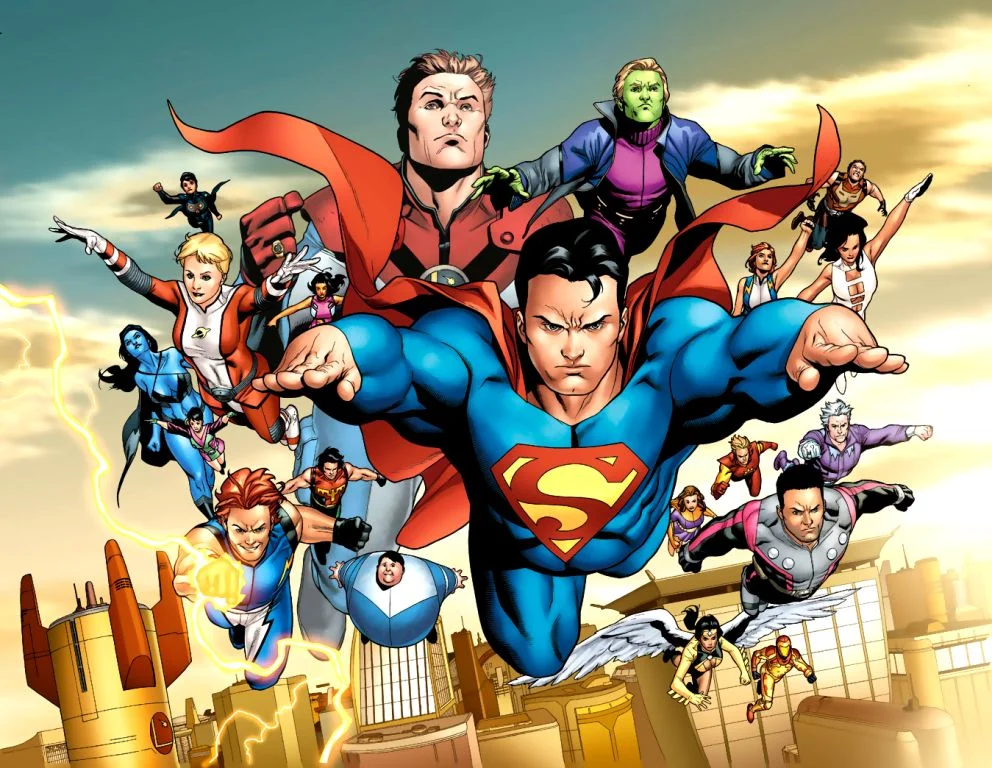
Superheroes are fictional characters with extraordinary abilities who fight evil and protect the public, an archetype that started with Superman's 1938 debut and grew into one of the highest-earning categories in film1. Know Your Meme added the topic as part of its 2013 April Fools joke entries, giving the broad pop-culture concept a home in the database2.
Overview
A Superhero is a fictional character with supernatural or unusual abilities who serves the public and keeps the peace2. Common powers include flight, super strength, elemental control, and heightened senses, and most heroes work from a home base and take on supervillains in the name of justice2.
The archetype is split largely between two publishers. DC Comics built its lineup around Superman, Batman, Wonder Woman, Green Lantern, and The Flash, while Marvel, originally called Timely, grew around Spider-Man and Captain America2. The format itself, secret identity, costume, mission, is what makes the label recognizable across seven decades of comics, television, and film.
The idea also inspired a real-world offshoot. The Real Life Superheroes movement is a grassroots group of people who dress in costume and run public safety patrols, charity work, hospital visits, and homeless outreach under superhero personas3. Members like New York's Terrifica, London's Angle-Grinder Man, and Mexico City's Superbarrio adopted the iconography to draw attention to causes rather than to fight crime literally3.
Gallery
Origin & Background
How It Spread
Timeline
How to Use This Meme
There is no single meme template here since the entry covers a whole archetype. In fan practice, people typically borrow the iconography, a cape, a mask, a chest emblem, and remix it onto other characters or themselves. The Real Life Superheroes community follows that same convention offline, using costumes and personas as a public-facing tool for civic work3.