Swedish People Dont Feed Their Guests Swedengate
Published March 30, 2026
Also known as: SwedenGate · #SwedenGate
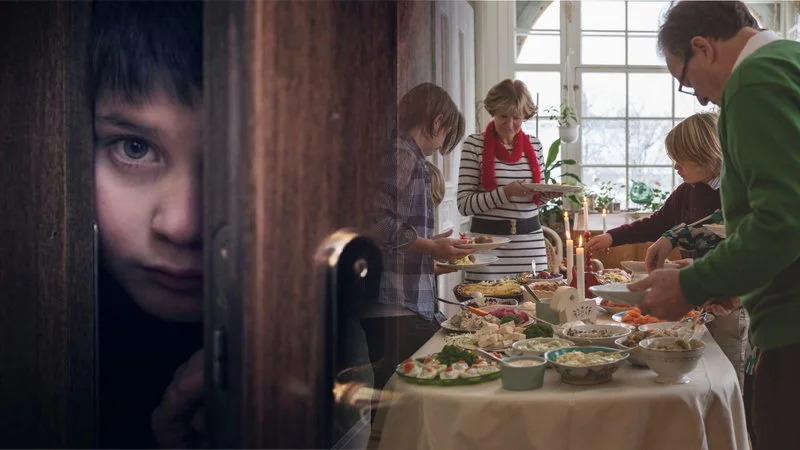
Swedish People Don't Feed Their Guests, known online as #SwedenGate, was a viral internet debate that erupted in late May 2022 after a Reddit user shared a childhood memory of being left alone in a room while their Swedish friend's family ate dinner. The story spread to Twitter where it sparked international outrage, thousands of memes, and a broader reckoning with Swedish cultural norms, eventually expanding into discussions about the country's history with colonialism and racism12.
Overview
#SwedenGate centers on the revelation that many Swedish households do not offer food to visiting children during family mealtimes. Instead, the guest child is expected to wait in another room until the family finishes eating. While Swedes largely viewed this as a normal cultural practice rooted in respect for other families' dinner plans, people from virtually every other culture found it baffling, rude, or even cruel73. The resulting online firestorm produced a wave of memes, cultural hot takes, and a cascade of deeper criticisms aimed at Sweden's self-image as a progressive utopia.
Gallery
Origin & Background
How It Spread
How to Use This Meme
#SwedenGate memes typically follow a few common patterns:
Scenario jokes: Set up a situation where someone visits a Swedish household and describe the absurdity of waiting in a room while the family eats. Often framed as a child's confused perspective.
Cultural comparison: Contrast Swedish hospitality with another culture's approach. "In [my country], we force-feed guests until they beg to leave. In Sweden, they make you sit in the hallway."
The map format: Reference or remix the European hospitality map, often adding exaggerated labels or new categories.
Sweden reaction: Screenshot real Swedish people defending the practice with deadpan sincerity and present it as comedy.
Escalation jokes: Start with the food issue and escalate into increasingly absurd accusations about Swedish culture.
Cultural Impact
Full History
Fun Facts
Professor Tellström admitted he personally spent time waiting in friends' rooms as a child, and noted that the experience had a small upside: "You could look at the things. You could look at a magazine. You could see how they were living in this room"4.
The Slate author reported that when living in Sweden, they couldn't afford fresh herbs due to sky-high food prices, which some commentators cited as a contributing factor to the stingy hosting culture1.
A Norwegian friend of the Slate author explained the practice as Swedes not wanting to create social obligation: if you feed someone, you're implicitly asking to be fed at their house later. Swedes would even try to pay back drinks immediately by bank transfer1.
Sweden's official Twitter account cited kafferep, an old custom involving seven specific types of biscuits, as evidence of Swedish hospitality traditions3.
Zara Larsson closed her response with: "We might not serve food, but we do be serving looks"1.
Derivatives & Variations
European Hospitality Map
Instagram user @LoverofGeography created a color-coded map ranking European countries by likelihood of feeding guests, which went viral independently of the original debate[7][8].
Zara Larsson TikTok
The Swedish pop star's TikTok recounting her own childhood experiences became a standalone viral clip cited in multiple news articles[4][3].
"It's true we don't serve food to guests" op-ed
Linda Johansson's Independent article defending the practice became a widely shared artifact of the debate[7].
Norse honor-shame thread
@WallySierk's long Twitter thread tracing the custom to Viking-era social dynamics was shared as a standalone explainer piece[6].
Fika counter-memes
Some Swedish users responded by promoting fika (the Swedish coffee-and-cake tradition) as proof that Swedes are actually generous hosts, creating a mini counter-narrative[3].
Frequently Asked Questions
References (10)
- 1
- 2
- 3
- 4
- 5List of Internet phenomenaencyclopedia
- 6
- 7
- 8
- 9
- 10