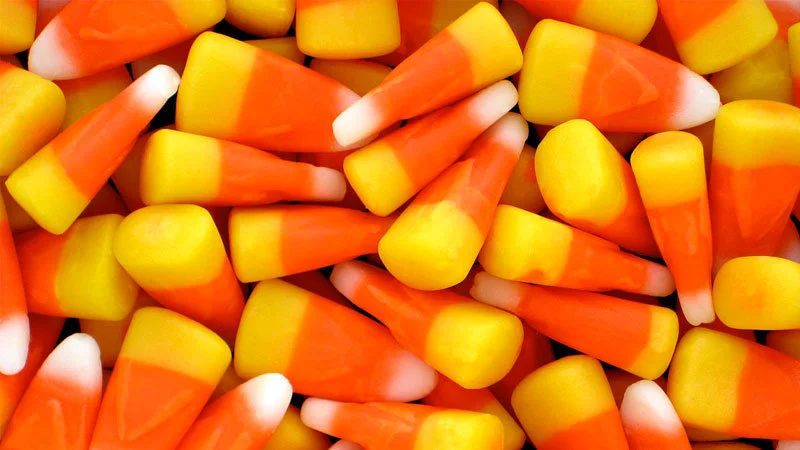
The Candy Corn Debate
Published March 31, 2026
Also known as: Candy Corn Wars · #NationalCandyCornDay
The Candy Corn Debate is the annual online argument over whether candy corn, the tri-colored Halloween staple, is delicious or disgusting. The debate went mainstream after comedian Lewis Black roasted the candy in a 2002 standup special and has since become a seasonal internet ritual, peaking every October as people take to social media to declare their love or hatred for the waxy confection with zero middle ground.
Overview
Every October, the internet splits into two camps: people who love candy corn and people who think it tastes like flavored candle wax. There is no neutral zone. The debate follows a predictable pattern: someone posts an opinion about candy corn on Twitter, Instagram, or TikTok, and the replies explode into a mix of passionate defense and theatrical disgust. The candy itself, a tri-colored kernel made from sugar, corn syrup, and fondant, has been around since the 1880s1. But the argument about whether it's any good didn't become a full-blown internet event until the early 2000s.
What makes the candy corn debate unique among food arguments is its sheer consistency. Year after year, the same takes get recycled, the same battle lines get drawn, and nobody ever switches sides. As Vogue put it, "no one feels 'meh' about it"3.
Gallery
Origin & Background
How It Spread
How to Use This Meme
The Candy Corn Debate doesn't follow a single meme template. Instead, it's a seasonal discourse format that typically plays out in a few common ways:
- Hot take post: Share a strong opinion about candy corn on Twitter or TikTok. The more extreme, the better. "I'd rather eat a scented candle" or "Candy corn is the greatest candy ever made" both work8. - Survey or poll format: Post a binary "love it or hate it" poll. The results will always be close to 50/50. - Celebrity quote reaction: Share Gordon Ramsay's "earwax" clip or Lewis Black's "made in 1911" joke and add your own take. - #NationalCandyCornDay participation: On October 30, post using the hashtag to either celebrate or roast the candy. - Comparison meme: Place candy corn against other Halloween candies to show how it stacks up (or doesn't).
The key ingredient is commitment. Lukewarm takes don't go viral. Pick a side and go all in.
Cultural Impact
Full History
Fun Facts
Lewis Black's joke that all candy corn was made in 1911 has been quoted so widely that it's often mistaken for a real fact1.
The original candy corn manufacturing process required workers called "stringers" to walk backwards while pouring hot sugar slurry into molds1.
Candy corn was nicknamed "chicken feed" in the 1920s and sold in boxes with a rooster on the front1.
Despite online hatred, 78% of social media buzz about candy corn in 2012 was actually positive2.
Circus peanuts, not candy corn, hold the title of most hated Halloween candy according to a survey of 40,000 people3.
Derivatives & Variations
The Onion's "Generic Candy Corn Will Give You AIDS"
(2003): A satirical fake PSA for Brach's that took the anti-candy-corn position to absurdist extremes[9].
Gordon Ramsay's candy corn verdict:
His Jimmy Kimmel clip became a standalone reaction clip used in candy corn arguments across platforms[5].
#NationalCandyCornDay discourse:
The October 30 hashtag became its own annual sub-event within the broader debate[8].
Candy corn flavor products:
Candy corn Oreos, M&Ms, and other branded variants each triggered their own viral cycles[2].
CandyStore.com annual surveys:
Their love/hate data became a recurring source of ammunition for both sides[6].
Frequently Asked Questions
References (14)
- 1
- 2
- 3
- 4The Candy Corn Debate - Know Your Memeencyclopedia
- 5List of YouTube videosencyclopedia
- 6
- 7
- 8
- 9
- 10Life – UPROXXsocial
- 11
- 12
- 13
- 14