Tsundere
Published March 24, 2026
Also known as: Tsuntsun-deredere · tsun
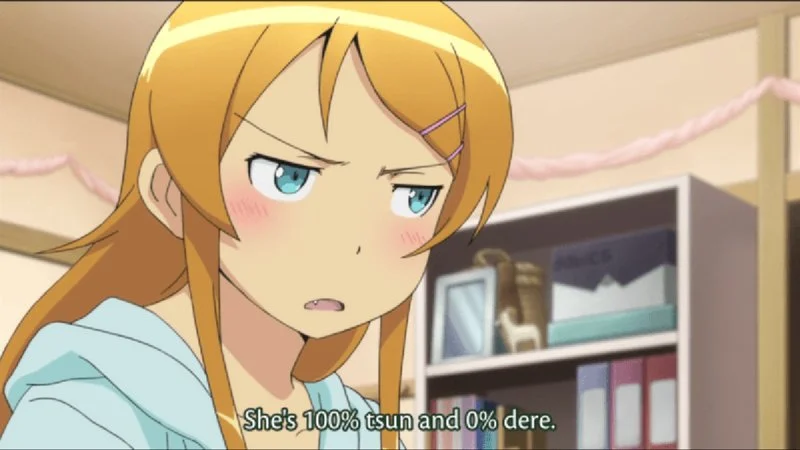
Tsundere (ツンデレ) is a Japanese character archetype describing someone who alternates between cold, hostile behavior ("tsun tsun") and warm, affectionate feelings ("dere dere"), typically toward a love interest they refuse to acknowledge1. The term originated in early 2000s visual novel fan communities and spread through 2channel before becoming one of the most recognized personality tropes in anime, manga, and internet culture2. Its influence extends from fictional character design to real-world maid cafés, meme formats, and everyday slang in both Japanese and English-speaking online communities.
Overview
A tsundere character puts up a tough, irritable, or outright hostile front while hiding genuine feelings of affection underneath. The name combines two Japanese expressions: "tsun tsun" (ツンツン), meaning aloof or standoffish, and "dere dere" (デレデレ), meaning lovey-dovey or infatuated3. The classic tell is a character who insults their crush, denies any romantic interest with a flustered "It's not like I like you or anything!", and blushes furiously when called out4.
TV Tropes breaks the archetype into two main subtypes. "Harsh" (or Tsun-type) tsundere characters default to cold or combative behavior, only showing softness when someone special triggers it. "Sweet" (or Dere-type) tsundere characters are generally kind but snap into aggressive mode around their love interest, usually out of embarrassment or confusion about their own feelings1. The shift between these two states, whether gradual over a storyline or rapid-fire within a single scene, is what makes the trope so distinctive and so meme-able.
Gallery
Origin & Background
How It Spread
How to Use This Meme
Tsundere works as both a character label and a meme format. The most common applications:
Character labeling: When discussing anime, manga, games, or any media, calling a character "tsundere" instantly communicates their personality type. The label applies to any character who masks affection with hostility or indifference1.
Meme format: Tsundere memes typically feature an anime character (or sometimes a real person, animal, or object) delivering a classic tsundere line like "It's not like I like you or anything!" while visibly blushing or flustered. The humor comes from the obvious contradiction between words and feelings4.
Behavioral description: Online, calling someone "tsundere" means they're acting hostile or dismissive toward something they clearly enjoy. On 4chan's /a/ board, for instance, users describe the community itself as tsundere toward popular shows it publicly mocks but privately watches5.
Self-aware roleplay: In some forum threads, users deliberately adopt tsundere speech patterns for comedic effect, denying interest in the conversation topic while clearly engaging with it5.
Cultural Impact
Full History
Fun Facts
The oldest candidate for "first tsundere character" is Pipiko from *Triton of the Sea* (1972), predating the more commonly cited Lum from *Urusei Yatsura* by six years10.
Rie Kugimiya also voiced Ashley Banks in the Japanese dub of *The Fresh Prince of Bel-Air* and Beth from the *Total Drama* series5.
Manga author Ken Akamatsu specifically noted tsundere as a special case in his definition of moe, because it's the one archetype where the power dynamic between the character and the viewer reverses2.
The term didn't exist until roughly 2002, meaning every "tsundere" character created before then was labeled retroactively by fans10.
The TV Tropes page for tsundere opens with a mock tsundere voice: "Stupid wiki! I'm only editing you because you asked nicely, n-not because I like you"1.
Derivatives & Variations
Yandere:
The most prominent "-dere" spinoff, describing characters who are sweet on the surface but violently possessive underneath. Functions as tsundere's dark counterpart[13].
Kuudere:
A cool, emotionless exterior hiding inner warmth. Less volatile than tsundere, more icy[11].
Dandere:
Shy and withdrawn characters who open up to specific people[11].
Tsundere cafés:
Real-world maid cafés where staff perform the tsundere personality, treating customers harshly before switching to kindness[7].
Tsunderemon gum:
Japanese bubble gum that starts sour and turns sweet, directly referencing the archetype's emotional arc[4].
"It's not like I like you" memes:
Image macros and text posts using the signature tsundere denial phrase, applied to everything from cats to countries to inanimate objects[4].
Frequently Asked Questions
References (15)
- 1
- 2
- 3Tsundere - TV Tropesarticle
- 4Tsundere - Know Your Memeencyclopedia
- 5Tsundereencyclopedia
- 6Tsundere - Urban Dictionarydictionary
- 7Rie Kugimiyaencyclopedia
- 8Cosplay restaurantencyclopedia
- 9
- 10
- 11
- 12
- 13Yandere - TV Tropesarticle
- 14
- 15Tsundere - TV Tropesarticle