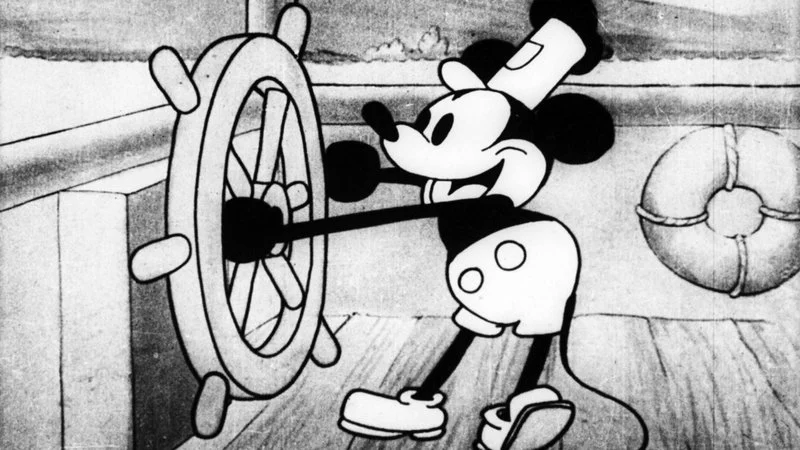
Western Animation
Published October 5, 2026
Western animation is the catch-all label for animated media produced in the Americas, Western Europe, Australia, and New Zealand2. The medium traces back to French cartoonist Émile Cohl's 1908 short Fantasmagorie1 and grew into one of the dominant forms of 20th-century entertainment, later anchoring sprawling online fandoms that split cartoons from anime.
Overview
Western animation covers everything from one-off theatrical shorts to prime-time series, with audiences ranging from preschoolers to adults2. In the present, most of the frame-by-frame animation work is outsourced to Korean studios while writing, voice work, and direction stay in the West2. Visually the output tends toward exaggerated expressions, snappy comedic timing, and character-driven gags, which separates it from the house styles associated with anime or European art animation5.
Online, the term is mostly used by fans as a sorting tag that distinguishes American, European, and Oceanian cartoons from Japanese anime5. The label groups together Disney features, Looney Tunes shorts, Cartoon Network originals, Adult Swim comedies, and streaming-era prestige series under one umbrella, even when their tones and audiences differ sharply.
Gallery
Origin & Background
How It Spread
Timeline
1908
Émile Cohl releases Fantasmagorie, widely cited as the first known animated film.
1920
Felix the Cat debuts, becoming the first cartoon character marketed as a brand.
1937
Walt Disney's Snow White and the Seven Dwarfs releases as the first fully hand-drawn animated feature film.
1958
Hanna-Barbera's The Huckleberry Hound Show debuts as the first animated television series.
Frequently Asked Questions
References (6)
- 1
- 2
- 3
- 4
- 5
- 6