Anime Manga
Published August 15, 2026
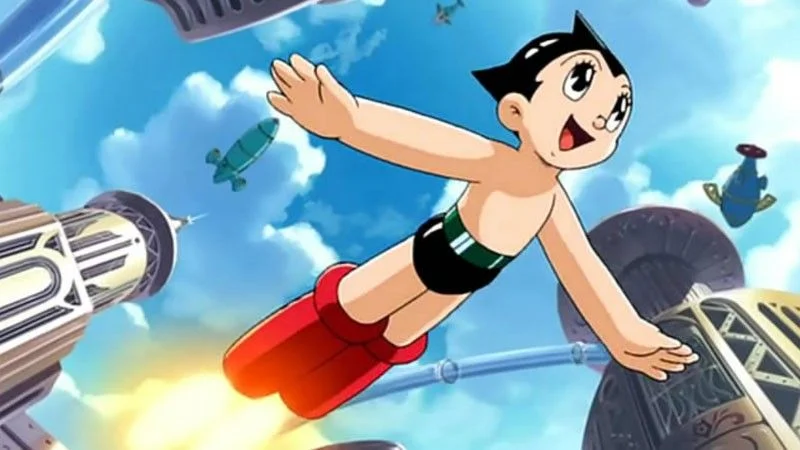
Anime is the Japanese style of animation and manga is the parallel Japanese comics tradition, together forming a linked media pair that grew from post-war Japan into a global fandom with a strong online presence across streaming platforms, forums, and imageboards.
Overview
Anime is a Japanese style of animation known for colorful graphics, expressive character designs, and shows built for audiences ranging from kids to adults5. Manga is the parallel Japanese comics tradition read right to left, covering genres like shonen action, seinen, and shojo romance. Popular manga series usually get anime adaptations, with characters and storylines moving between the two formats.
Online, anime and manga have a long history across many websites and dedicated fan communities. Legal streaming happens mostly on Crunchyroll1 and FUNimation2, industry news is tracked at Anime News Network3, and fans log shows they watch on My Anime List4. Community discussion clusters on 4chan's /a/ board6 and r/Anime on Reddit7.