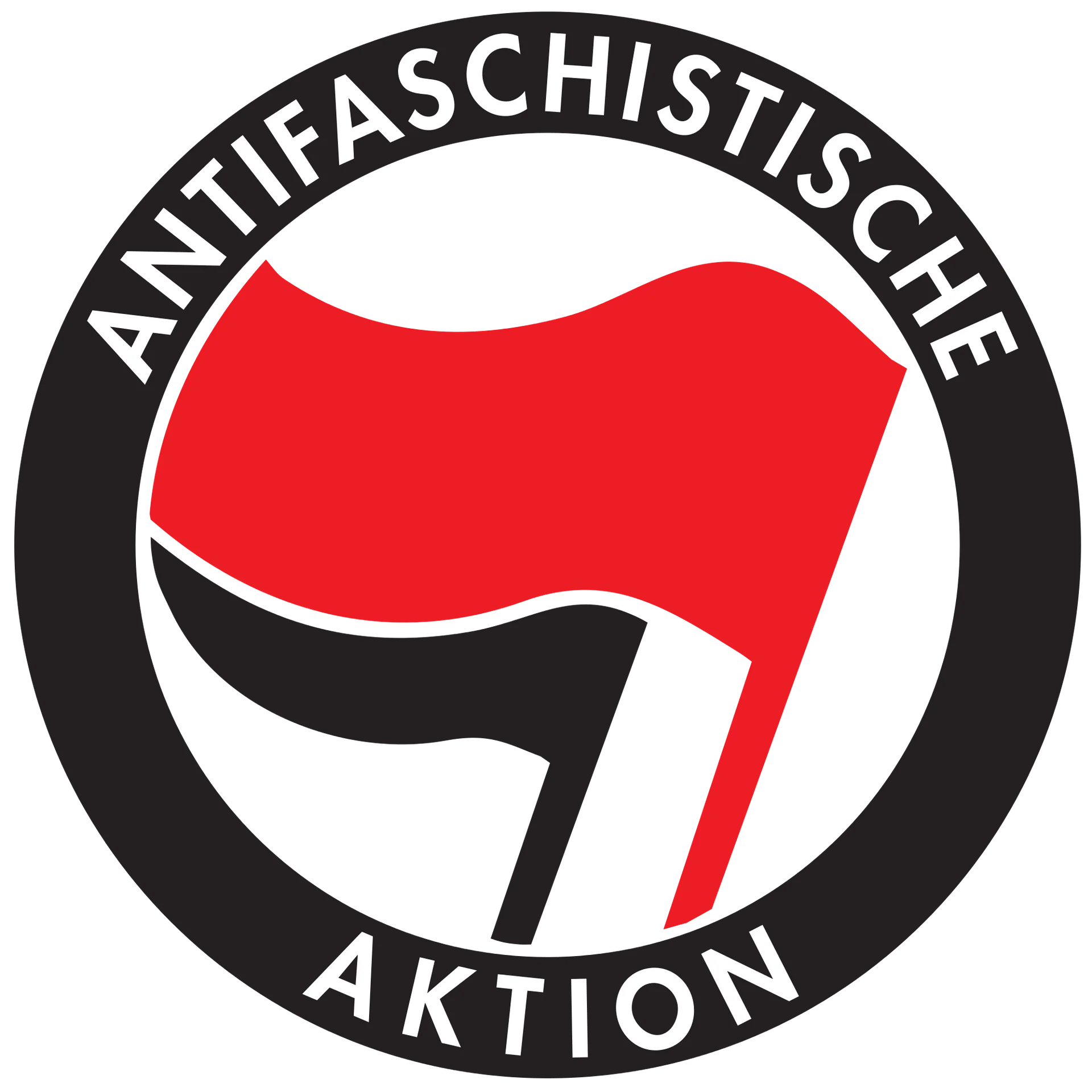
Antifa
Published August 6, 2026
Antifa is short for anti-fascism, referring to loosely organized militant left-wing activists who confront white nationalist and far-right movements1. The label surged into American internet discourse in early 2017 after viral confrontations at UC Berkeley and the on-camera punch of white nationalist Richard Spencer2.
Overview
Antifa is not a single organization but a loose association of anti-fascist activists, many of whom operate anonymously and adopt black bloc tactics such as dressing head-to-toe in black at protests1. The movement rejects centralized leadership and treats direct confrontation with fascist and white supremacist organizing as both a moral duty and self-defense3.
Online, Antifa activists built a parallel presence to the far right, running doxxing campaigns, taking down neo-Nazi websites, and cracking passwords, according to sociologist Stanislav Vysotsky1. Groups tied to Anonymous and offshoots like LulzFinancial supported those efforts as neo-Nazi meme culture grew after 20161. Critics on the right frame Antifa as a terrorist network, while sympathizers describe it as community defense against violence the state refuses to address3.