Asmr
Published August 9, 2026
ASMR (Autonomous Sensory Meridian Response) is a tingling sensation in the head and scalp triggered by soft sounds like whispers, brushing, and plastic crinkling. Jennifer Allen coined the term in February 2010, and YouTube 'whisperer' videos turned it into one of the internet's largest video subcultures over the following decade.
Overview
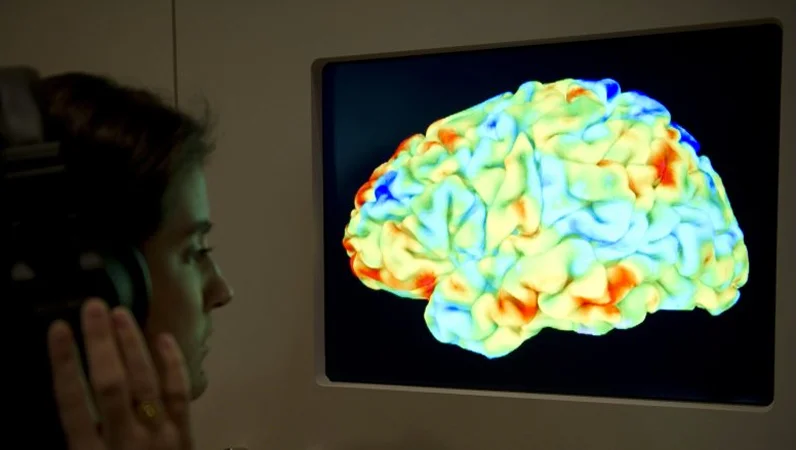
ASMR stands for Autonomous Sensory Meridian Response, a pleasurable tingling that begins in the head and scalp and often travels down the spine when someone hears soft, deliberate sounds or watches slow, focused movements3. Common triggers include whispering, tapping fingernails, brushing hair, crinkling plastic bags, and role-play scenarios like eye exams or hair salon visits2. Not everyone feels it, and those who do often call the sensation a 'brain orgasm' or 'braingasm,' though the experience is not sexual and any explicit sexual context tends to kill it entirely8.
Videos designed to trigger ASMR usually feature a soft-spoken host, close mic'd sounds, and long uncut takes centered on a single object or activity2. Watching one cold can feel disorienting, since the content is essentially six minutes of a person whispering into a binaural microphone or slowly opening a box of Legos2. The videos are widely used for sleep, insomnia, and general relaxation, with fans describing them as a shortcut to a blissed-out meditative state3.
Origin & Background
How It Spread
How to Use This Meme
An ASMR video typically opens with a soft greeting into a binaural microphone, then moves into either an object-focused segment (tapping, scratching, unboxing, crinkling) or a role-play scenario where the host pretends to be a doctor, hairdresser, or travel agent talking directly to the viewer2. Common conventions include whispered narration, slow hand movements, long uncut takes of a single sound like plastic crinkling or a brush against a foam windscreen, and close staring into the camera for intimacy2. Viewers usually watch with headphones to pick up the stereo detail that produces the tingles, and many use the videos specifically at night as a sleep aid3.
Cultural Impact
Fun Facts
Before 'ASMR' won out, people called it AIHO (Attention Induced Head Orgasm) and AIE (Attention Induced Euphoria)9.
Jennifer Allen chose 'Autonomous Sensory Meridian Response' specifically because it sounded clinical rather than sexual5.
One of the earliest online discussions was a Steady Health Forums post from October 2007 titled simply 'Weird Sensation Feels Good'1.
The Wikipedia entry for ASMR was almost deleted in September 2011 for lacking scientific citations before being restored a year later.
Nicholas Tufnell wrote in the Huffington Post that intentional ASMR was the only thing that beat his insomnia after Zopiclone stopped working3.
Derivatives & Variations
Whispering videos: soft-spoken monologues into a microphone, a format kicked off by WhisperingLife's March 2009 upload[5].
Role-play ASMR: pretend eye exams, haircuts, and travel agent booths, cataloged in Vice's 2011 feature on GentleWhispering[2].
Ice-eating ASMR: the 2018 Kwai trend of biting frozen milk and chocolate for the crunch, which jumped to Instagram and YouTube[7].
Sleep-aid ASMR: long relaxation sessions marketed specifically for insomnia, popularized after Nicholas Tufnell's 2012 Huffington Post piece[3].
Reaction and critique videos: Cody Ko's May 2019 'ASMR has gone to far' focused on shock-eating channels like Eve Donnelly's.
Frequently Asked Questions
References (9)
- 1
- 2
- 3
- 4
- 5
- 6
- 7
- 8
- 9