Biblethump
Published August 16, 2026
BibleThump is a Twitch chat emote showing the crying face of Isaac from the indie video game The Binding of Isaac, added to the platform in 2012 as a shorthand for sadness. It became one of the core emotes in Twitch's early chat vocabulary, spammed in walls whenever a streamer fails or a sad moment plays on stream.
Overview
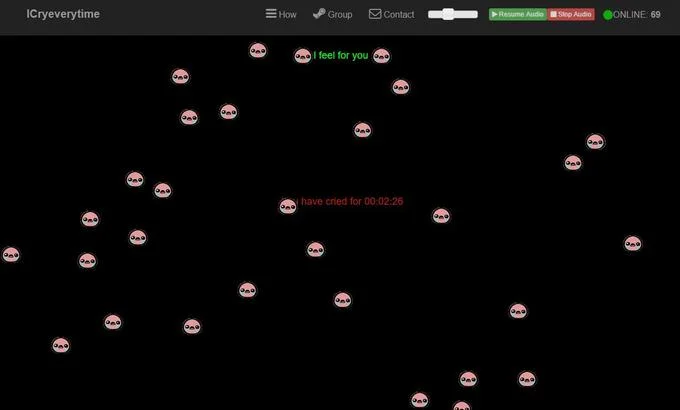
BibleThump is a Twitch chat emote showing the tearful face of Isaac, the bald crying child from Edmund McMillen's indie game The Binding of Isaac. Viewers post it by typing the word "BibleThump" into a stream's chat box, and the site swaps the text for the small pixel image of Isaac's face streaked with tears1.
The emote is Twitch shorthand for sadness. It gets spammed when a streamer dies in a run, when a beloved pet dies mid-broadcast, or when anything on stream is meant to be emotionally rough1. Alongside Kappa and PJSalt, BibleThump sits in the small cluster of first-wave Twitch emotes that outsiders have to look up before they can read a Twitch chat1.
Gallery
Origin & Background
How It Spread
How to Use This Meme
Typical use is to type "BibleThump" (case sensitive) into a Twitch chat during a sad or disappointing moment on stream, often repeated to form a wall of tiny crying faces. A common convention is to pair it with a short caption, for example "my run BibleThump" after a streamer dies, or to spam it alone in reaction to bad news the streamer shares on camera1.