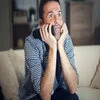
Binge Watching

2011Cultural practice / internet slangclassic

Also known as: Binge-viewing · marathon viewing · marathon-watching

Binge-watching is a 2011 cultural practice of consuming multiple TV episodes in one sitting, popularized by Netflix and immortalized in memes about sleep deprivation, canceled plans, and guilty pleasure.

Binge-watching is the practice of consuming multiple episodes of a TV show in one sitting, a habit that exploded in popularity alongside streaming services like Netflix and Hulu in the early 2010s5. The term, a snowclone of "binge drinking," went from niche DVD-collector slang to mainstream vocabulary by 2013, when Netflix declared it "the new normal"2. Online, binge-watching spawned endless memes about sleep deprivation, canceled plans, and the guilty pleasure of plowing through an entire season in a weekend.

TL;DR

Binge-watching is the practice of consuming multiple episodes of a TV show in one sitting, a habit that exploded in popularity alongside streaming services like Netflix and Hulu in the early 2010s.

Overview

Binge-watching refers to watching several episodes of a TV series back-to-back, usually in a single sitting or over a compressed time period. Most people define it as consuming between two and six episodes at once, according to a 2014 Netflix survey where 73% of respondents agreed on that range2. The practice took off when streaming platforms made full seasons available on demand, replacing the old model of waiting a week between episodes5.

The meme side of binge-watching lives in the relatable humor of ignoring responsibilities, staying up until 3 AM, and telling yourself "just one more episode." It shows up across social media as reaction images, confession posts, and self-deprecating jokes about choosing Netflix over sleep, exercise, or human interaction6.

The word "binge" was first applied to television viewing as early as 1948, when Variety reporter George Rosen used it in coverage of the TV industry5. The term "TV binge" appeared in a U.S. newspaper on July 27, 1952, in the Atlanta Journal-Constitution, where sports editor Ed Danforth described a Bob Hope and Bing Crosby telethon5. For decades, "TV binge" and "TV marathon" were used interchangeably and mostly referred to watching extended sporting events.

The Oxford English Dictionary traces "binge-watching" as a compound term to 1990s TV fandom circles, when shows first started getting released as complete DVD box sets4. The first printed use of "binge viewing" appeared in a December 1986 Philadelphia Inquirer column by TV critic Andy Wickstrom, who suggested Scotch tape to mend worn VCR tape for those saving up soap operas for "weekend binge viewing"5. The first known use of "binge-watching" as an active verb came from GregSerl, an X-Files Usenet newsgroup commenter, who posted a mock questionnaire on December 20, 1998, asking fans: "Do you ever binge watch (marathon)?"5.

Origin & Background

Platform
TV DVD fandom (term origin), Netflix / streaming culture (mainstream spread)
Creator
Unknown; Netflix and Harris Interactive
Date
1990s (term); 2011-2013 (viral spread)

The word "binge" was first applied to television viewing as early as 1948, when Variety reporter George Rosen used it in coverage of the TV industry. The term "TV binge" appeared in a U.S. newspaper on July 27, 1952, in the Atlanta Journal-Constitution, where sports editor Ed Danforth described a Bob Hope and Bing Crosby telethon. For decades, "TV binge" and "TV marathon" were used interchangeably and mostly referred to watching extended sporting events.

The Oxford English Dictionary traces "binge-watching" as a compound term to 1990s TV fandom circles, when shows first started getting released as complete DVD box sets. The first printed use of "binge viewing" appeared in a December 1986 Philadelphia Inquirer column by TV critic Andy Wickstrom, who suggested Scotch tape to mend worn VCR tape for those saving up soap operas for "weekend binge viewing". The first known use of "binge-watching" as an active verb came from GregSerl, an X-Files Usenet newsgroup commenter, who posted a mock questionnaire on December 20, 1998, asking fans: "Do you ever binge watch (marathon)?".

How It Spread

By 2011, binge-watching was already common enough on college campuses that the Washington Post ran a piece describing how the practice was transforming student viewing habits. In July 2012, Slate writer Jim Pagels called binge-watching "a pandemic" afflicting college students, arguing that marathon sessions destroyed the integrity of individual episodes and erased the pleasure of weekly cliffhangers. Pagels made the case that TV characters "should be a regular part of our lives, not someone we hang out with 24/7 for a few days and then never see again".

The real tipping point came in late 2013. Netflix commissioned a survey through Harris Interactive of nearly 1,500 TV streamers and found that 61% binge-watched regularly. Cultural anthropologist Grant McCracken, who partnered with Netflix on the research, went into viewers' living rooms across the U.S. and Canada and concluded that "a perfect storm of better TV, our current economic climate and the digital explosion" had fueled the behavior. Netflix Chief Content Officer Ted Sarandos used the findings to argue that their original series were "created for multi-episodic viewing".

The term "binge-watch" was runner-up for word of the year in 2013, and in November 2015, Collins English Dictionary chose it as the actual word of the year. Wired Magazine launched a weekly "Binge-Watching Guide" in September 2014, and Entertainment Weekly regularly polled celebrities on their binge habits. At a 2015 EW/People Upfronts party, stars from Scandal, Grey's Anatomy, and How to Get Away With Murder freely confessed their binge-watching habits, with Patricia Heaton admitting Breaking Bad kept her "up until 3 in the morning".

Social media mentions of binge-watching spiked predictably around Netflix releases. As of mid-2015, the largest single-day peak occurred during the surprise drop of Orange Is the New Black, when the term was tweeted more than 15,000 times in one day.

How to Use This Meme

Binge-watching memes typically follow a few common formats:

1

The confession post: "Me saying 'just one more episode' at 4 AM" paired with a tired or crazed-looking reaction image

2

The canceled plans meme: A choice or distraction format (like the Distracted Boyfriend or Drake template) where a new Netflix season beats out social obligations

3

The time-warp joke: Posts about starting a show on Friday night and emerging on Sunday with no memory of the weekend

4

The sleep deprivation flex: Screenshots or descriptions of binge sessions with captions like "I watched all 8 seasons in two weeks"

5

The defense post: Pushing back against anyone who says binge-watching is unhealthy, often citing the Netflix stat that 73% of streamers feel positive about it

Cultural Impact

Netflix weaponized the term more effectively than any other brand. Their December 2013 "Binge Watching is the New Normal" campaign, backed by the Harris Interactive survey, turned a viewer behavior into a marketing strategy. By releasing entire seasons at once, Netflix designed its original series specifically for binge consumption, with Ted Sarandos calling it "lining up the content with new norms of viewer control for the first time".

The term's linguistic journey was significant on its own. Collins English Dictionary named "binge-watch" its 2015 word of the year, and the Oxford English Dictionary formalized the term with origins traced to 1990s fandom. This gave academic and cultural legitimacy to what had been dismissed as lazy behavior.

The advertising industry had to adapt. Traditional TV commercials became less effective when viewers consumed entire seasons without commercial breaks. Brands shifted toward product placement within shows and influencer marketing on social media to reach binge-watchers.

Binge-watching also changed how shows are written. Creators began designing narratives for continuous viewing: fewer "previously on" recaps, more serialized arcs, more cliffhangers designed to trigger the "next episode" autoplay. Streaming platforms engineered their interfaces to keep viewers on the platform, from autoplay features to immediate recommendation screens after a show ends.

Full History

The cultural roots of binge-watching run deeper than most people realize. Japan's Weekly Shōnen Jump magazine, founded in 1968, pioneered the model of releasing individual manga chapters weekly and then compiling them into standalone tankōbon volumes that could be consumed all at once. As Matt Alt wrote in The New Yorker, "Jump presaged the way the world consumes streaming entertainment today." American anime fans in the late 1970s and 1980s held marathon viewing sessions of imported Japanese shows on VHS tapes, one of the earliest Western parallels to modern binge culture. Nickelodeon's Nick at Nite got in on the act as early as July 1985, broadcasting multiple episodes of Donna Reed and Route 66 in a row.

The 2006-2007 launch window of streaming services like Netflix, Hulu, and eventually Amazon Prime Video changed everything. Once full seasons were a click away, the old DVD box set model scaled to millions of viewers. Netflix data later revealed that over 90% of its members had completed at least one "series binge," defined as finishing at least one season within a week. The average member completed their first binge in just three days, with Orange Is the New Black, Breaking Bad, and The Walking Dead as the most popular first-binge shows.

Not everyone was on board. Critics pushed back hard against the practice. Slate's Pagels argued in 2012 that watching episodes back-to-back blurred the artistic integrity of individual episodes and eliminated the suspense that made weekly viewing special. Karl Puschmann of the New Zealand Herald called binge-watching "empty," mourning the loss of shared weekly viewing as "one of the few shared audience experiences left". He made a sharp distinction between the self-congratulatory framing of "marathon-watching" and the more honest, less flattering "binge-watching" label that fitness enthusiasts had lobbed at couch potatoes.

At the 2013 MacTaggart Lecture, actor Kevin Spacey urged television executives to give audiences "what they want when they want it. If they want to binge, then we should let them binge". ITV Director Peter Fincham warned the opposite: that binge-watching erodes "the social glue" of communal TV experiences.

A February 2015 study from the University of Texas at Austin drew significant media attention by linking binge-watching to depression. Researchers Yoon Hi Sung, Eun Yeon Kang, and Wei-Na Lee surveyed 316 young people aged 18-29 and found that lonelier and more depressed subjects were more likely to binge-watch as a way to avoid negative feelings. "The word 'binge' has this negative connotation, except when we're talking about watching TV," Lee told Newsweek. "That got us curious". The study's authors cautioned against calling binge-watching harmless, though they acknowledged the research was "just exploratory" and that defining the threshold for a binge (two episodes? three?) was itself contested.

The COVID-19 pandemic in early 2020 triggered a massive surge in binge-watching as lockdowns kept people home. Researcher Bridget Rubenking observed that traditional appointment viewing had decreased between 2015 and 2020, but all three modes of viewing (binge, serial, and appointment) hit an all-time high during the pandemic's early months. Netflix CEO Reed Hastings was blunt about the competitive landscape, telling analysts: "Think about it... when you watch a show from Netflix and you get addicted to it, you stay up late at night. We're competing with sleep on the margin".

Health researchers documented concrete consequences. A study in the Journal of Clinical Sleep Medicine found that among 423 participants, 80% identified as binge-watchers with an average watch time of 3 hours and 8 minutes per day. Binge-watchers reported poorer sleep quality, and the mental arousal from watching TV didn't lend itself to restful sleep. A systematic review published in the International Journal of Environmental Research and Public Health linked binge-watching to social isolation, impulsive behavior, and cognitive overload. 76% of Netflix's surveyed streamers said watching multiple episodes was "a welcome refuge from their busy lives," but 79% also said it made shows more enjoyable, suggesting the dopamine reward loop kept them coming back.

Fun Facts

The first person known to use "binge-watching" as a verb was an X-Files fan on Usenet in December 1998

Japan's Weekly Shōnen Jump pioneered the binge-consumption model decades before Netflix, releasing manga chapters weekly then compiling them into volumes readers could devour at once

Netflix data shows the average viewer completes their first binge in just three days

In a 2013 survey, 73% of streamers defined binge-watching as 2-6 episodes in one sitting, not the all-day marathon most people assume

Netflix CEO Reed Hastings publicly stated that Netflix's main competitor is sleep, not other streaming services

Derivatives & Variations

"Netflix and Chill":

The euphemistic phrase for a hookup invitation, which piggybacks directly on the binge-watching culture Netflix created[2]

Binge-racer:

Netflix's term for viewers who finish an entire season within 24 hours of its release, a competitive subset of binge-watchers[9]

"In case of emergency, break glass" saving:

Cultural anthropologist Grant McCracken identified a trend of viewers deliberately saving shows for later binge sessions, with 37% of Netflix streamers confirming the habit[2]

Binge-watching health memes:

A wave of darkly humorous content that followed the 2015 UT Austin depression study, joking about binge-watching as both cause and cure for sadness[11]

My First Binge:

Netflix's 2017 social campaign encouraging users to check their viewing history and find the first show they ever binged, turning personal data into shareable content[7]

Frequently Asked Questions

BingeWatching

2011Cultural practice / internet slangclassic

Also known as: Binge-viewing · marathon viewing · marathon-watching

Binge-watching is a 2011 cultural practice of consuming multiple TV episodes in one sitting, popularized by Netflix and immortalized in memes about sleep deprivation, canceled plans, and guilty pleasure.

Binge-watching is the practice of consuming multiple episodes of a TV show in one sitting, a habit that exploded in popularity alongside streaming services like Netflix and Hulu in the early 2010s. The term, a snowclone of "binge drinking," went from niche DVD-collector slang to mainstream vocabulary by 2013, when Netflix declared it "the new normal". Online, binge-watching spawned endless memes about sleep deprivation, canceled plans, and the guilty pleasure of plowing through an entire season in a weekend.

TL;DR

Binge-watching is the practice of consuming multiple episodes of a TV show in one sitting, a habit that exploded in popularity alongside streaming services like Netflix and Hulu in the early 2010s.

Overview

Binge-watching refers to watching several episodes of a TV series back-to-back, usually in a single sitting or over a compressed time period. Most people define it as consuming between two and six episodes at once, according to a 2014 Netflix survey where 73% of respondents agreed on that range. The practice took off when streaming platforms made full seasons available on demand, replacing the old model of waiting a week between episodes.

The meme side of binge-watching lives in the relatable humor of ignoring responsibilities, staying up until 3 AM, and telling yourself "just one more episode." It shows up across social media as reaction images, confession posts, and self-deprecating jokes about choosing Netflix over sleep, exercise, or human interaction.

The word "binge" was first applied to television viewing as early as 1948, when Variety reporter George Rosen used it in coverage of the TV industry. The term "TV binge" appeared in a U.S. newspaper on July 27, 1952, in the Atlanta Journal-Constitution, where sports editor Ed Danforth described a Bob Hope and Bing Crosby telethon. For decades, "TV binge" and "TV marathon" were used interchangeably and mostly referred to watching extended sporting events.

The Oxford English Dictionary traces "binge-watching" as a compound term to 1990s TV fandom circles, when shows first started getting released as complete DVD box sets. The first printed use of "binge viewing" appeared in a December 1986 Philadelphia Inquirer column by TV critic Andy Wickstrom, who suggested Scotch tape to mend worn VCR tape for those saving up soap operas for "weekend binge viewing". The first known use of "binge-watching" as an active verb came from GregSerl, an X-Files Usenet newsgroup commenter, who posted a mock questionnaire on December 20, 1998, asking fans: "Do you ever binge watch (marathon)?".

Origin & Background

Platform
TV DVD fandom (term origin), Netflix / streaming culture (mainstream spread)
Creator
Unknown; Netflix and Harris Interactive
Date
1990s (term); 2011-2013 (viral spread)

The word "binge" was first applied to television viewing as early as 1948, when Variety reporter George Rosen used it in coverage of the TV industry. The term "TV binge" appeared in a U.S. newspaper on July 27, 1952, in the Atlanta Journal-Constitution, where sports editor Ed Danforth described a Bob Hope and Bing Crosby telethon. For decades, "TV binge" and "TV marathon" were used interchangeably and mostly referred to watching extended sporting events.

The Oxford English Dictionary traces "binge-watching" as a compound term to 1990s TV fandom circles, when shows first started getting released as complete DVD box sets. The first printed use of "binge viewing" appeared in a December 1986 Philadelphia Inquirer column by TV critic Andy Wickstrom, who suggested Scotch tape to mend worn VCR tape for those saving up soap operas for "weekend binge viewing". The first known use of "binge-watching" as an active verb came from GregSerl, an X-Files Usenet newsgroup commenter, who posted a mock questionnaire on December 20, 1998, asking fans: "Do you ever binge watch (marathon)?".

How It Spread

By 2011, binge-watching was already common enough on college campuses that the Washington Post ran a piece describing how the practice was transforming student viewing habits. In July 2012, Slate writer Jim Pagels called binge-watching "a pandemic" afflicting college students, arguing that marathon sessions destroyed the integrity of individual episodes and erased the pleasure of weekly cliffhangers. Pagels made the case that TV characters "should be a regular part of our lives, not someone we hang out with 24/7 for a few days and then never see again".

The real tipping point came in late 2013. Netflix commissioned a survey through Harris Interactive of nearly 1,500 TV streamers and found that 61% binge-watched regularly. Cultural anthropologist Grant McCracken, who partnered with Netflix on the research, went into viewers' living rooms across the U.S. and Canada and concluded that "a perfect storm of better TV, our current economic climate and the digital explosion" had fueled the behavior. Netflix Chief Content Officer Ted Sarandos used the findings to argue that their original series were "created for multi-episodic viewing".

The term "binge-watch" was runner-up for word of the year in 2013, and in November 2015, Collins English Dictionary chose it as the actual word of the year. Wired Magazine launched a weekly "Binge-Watching Guide" in September 2014, and Entertainment Weekly regularly polled celebrities on their binge habits. At a 2015 EW/People Upfronts party, stars from Scandal, Grey's Anatomy, and How to Get Away With Murder freely confessed their binge-watching habits, with Patricia Heaton admitting Breaking Bad kept her "up until 3 in the morning".

Social media mentions of binge-watching spiked predictably around Netflix releases. As of mid-2015, the largest single-day peak occurred during the surprise drop of Orange Is the New Black, when the term was tweeted more than 15,000 times in one day.

How to Use This Meme

Binge-watching memes typically follow a few common formats:

1

The confession post: "Me saying 'just one more episode' at 4 AM" paired with a tired or crazed-looking reaction image

2

The canceled plans meme: A choice or distraction format (like the Distracted Boyfriend or Drake template) where a new Netflix season beats out social obligations

3

The time-warp joke: Posts about starting a show on Friday night and emerging on Sunday with no memory of the weekend

4

The sleep deprivation flex: Screenshots or descriptions of binge sessions with captions like "I watched all 8 seasons in two weeks"

5

The defense post: Pushing back against anyone who says binge-watching is unhealthy, often citing the Netflix stat that 73% of streamers feel positive about it

Cultural Impact

Netflix weaponized the term more effectively than any other brand. Their December 2013 "Binge Watching is the New Normal" campaign, backed by the Harris Interactive survey, turned a viewer behavior into a marketing strategy. By releasing entire seasons at once, Netflix designed its original series specifically for binge consumption, with Ted Sarandos calling it "lining up the content with new norms of viewer control for the first time".

The term's linguistic journey was significant on its own. Collins English Dictionary named "binge-watch" its 2015 word of the year, and the Oxford English Dictionary formalized the term with origins traced to 1990s fandom. This gave academic and cultural legitimacy to what had been dismissed as lazy behavior.

The advertising industry had to adapt. Traditional TV commercials became less effective when viewers consumed entire seasons without commercial breaks. Brands shifted toward product placement within shows and influencer marketing on social media to reach binge-watchers.

Binge-watching also changed how shows are written. Creators began designing narratives for continuous viewing: fewer "previously on" recaps, more serialized arcs, more cliffhangers designed to trigger the "next episode" autoplay. Streaming platforms engineered their interfaces to keep viewers on the platform, from autoplay features to immediate recommendation screens after a show ends.

Full History

The cultural roots of binge-watching run deeper than most people realize. Japan's Weekly Shōnen Jump magazine, founded in 1968, pioneered the model of releasing individual manga chapters weekly and then compiling them into standalone tankōbon volumes that could be consumed all at once. As Matt Alt wrote in The New Yorker, "Jump presaged the way the world consumes streaming entertainment today." American anime fans in the late 1970s and 1980s held marathon viewing sessions of imported Japanese shows on VHS tapes, one of the earliest Western parallels to modern binge culture. Nickelodeon's Nick at Nite got in on the act as early as July 1985, broadcasting multiple episodes of Donna Reed and Route 66 in a row.

The 2006-2007 launch window of streaming services like Netflix, Hulu, and eventually Amazon Prime Video changed everything. Once full seasons were a click away, the old DVD box set model scaled to millions of viewers. Netflix data later revealed that over 90% of its members had completed at least one "series binge," defined as finishing at least one season within a week. The average member completed their first binge in just three days, with Orange Is the New Black, Breaking Bad, and The Walking Dead as the most popular first-binge shows.

Not everyone was on board. Critics pushed back hard against the practice. Slate's Pagels argued in 2012 that watching episodes back-to-back blurred the artistic integrity of individual episodes and eliminated the suspense that made weekly viewing special. Karl Puschmann of the New Zealand Herald called binge-watching "empty," mourning the loss of shared weekly viewing as "one of the few shared audience experiences left". He made a sharp distinction between the self-congratulatory framing of "marathon-watching" and the more honest, less flattering "binge-watching" label that fitness enthusiasts had lobbed at couch potatoes.

At the 2013 MacTaggart Lecture, actor Kevin Spacey urged television executives to give audiences "what they want when they want it. If they want to binge, then we should let them binge". ITV Director Peter Fincham warned the opposite: that binge-watching erodes "the social glue" of communal TV experiences.

A February 2015 study from the University of Texas at Austin drew significant media attention by linking binge-watching to depression. Researchers Yoon Hi Sung, Eun Yeon Kang, and Wei-Na Lee surveyed 316 young people aged 18-29 and found that lonelier and more depressed subjects were more likely to binge-watch as a way to avoid negative feelings. "The word 'binge' has this negative connotation, except when we're talking about watching TV," Lee told Newsweek. "That got us curious". The study's authors cautioned against calling binge-watching harmless, though they acknowledged the research was "just exploratory" and that defining the threshold for a binge (two episodes? three?) was itself contested.

The COVID-19 pandemic in early 2020 triggered a massive surge in binge-watching as lockdowns kept people home. Researcher Bridget Rubenking observed that traditional appointment viewing had decreased between 2015 and 2020, but all three modes of viewing (binge, serial, and appointment) hit an all-time high during the pandemic's early months. Netflix CEO Reed Hastings was blunt about the competitive landscape, telling analysts: "Think about it... when you watch a show from Netflix and you get addicted to it, you stay up late at night. We're competing with sleep on the margin".

Health researchers documented concrete consequences. A study in the Journal of Clinical Sleep Medicine found that among 423 participants, 80% identified as binge-watchers with an average watch time of 3 hours and 8 minutes per day. Binge-watchers reported poorer sleep quality, and the mental arousal from watching TV didn't lend itself to restful sleep. A systematic review published in the International Journal of Environmental Research and Public Health linked binge-watching to social isolation, impulsive behavior, and cognitive overload. 76% of Netflix's surveyed streamers said watching multiple episodes was "a welcome refuge from their busy lives," but 79% also said it made shows more enjoyable, suggesting the dopamine reward loop kept them coming back.

Fun Facts

The first person known to use "binge-watching" as a verb was an X-Files fan on Usenet in December 1998

Japan's Weekly Shōnen Jump pioneered the binge-consumption model decades before Netflix, releasing manga chapters weekly then compiling them into volumes readers could devour at once

Netflix data shows the average viewer completes their first binge in just three days

In a 2013 survey, 73% of streamers defined binge-watching as 2-6 episodes in one sitting, not the all-day marathon most people assume

Netflix CEO Reed Hastings publicly stated that Netflix's main competitor is sleep, not other streaming services

Derivatives & Variations

"Netflix and Chill":

The euphemistic phrase for a hookup invitation, which piggybacks directly on the binge-watching culture Netflix created[2]

Binge-racer:

Netflix's term for viewers who finish an entire season within 24 hours of its release, a competitive subset of binge-watchers[9]

"In case of emergency, break glass" saving:

Cultural anthropologist Grant McCracken identified a trend of viewers deliberately saving shows for later binge sessions, with 37% of Netflix streamers confirming the habit[2]

Binge-watching health memes:

A wave of darkly humorous content that followed the 2015 UT Austin depression study, joking about binge-watching as both cause and cure for sadness[11]

My First Binge:

Netflix's 2017 social campaign encouraging users to check their viewing history and find the first show they ever binged, turning personal data into shareable content[7]

Frequently Asked Questions