Find Meme
What is French Goku Hero
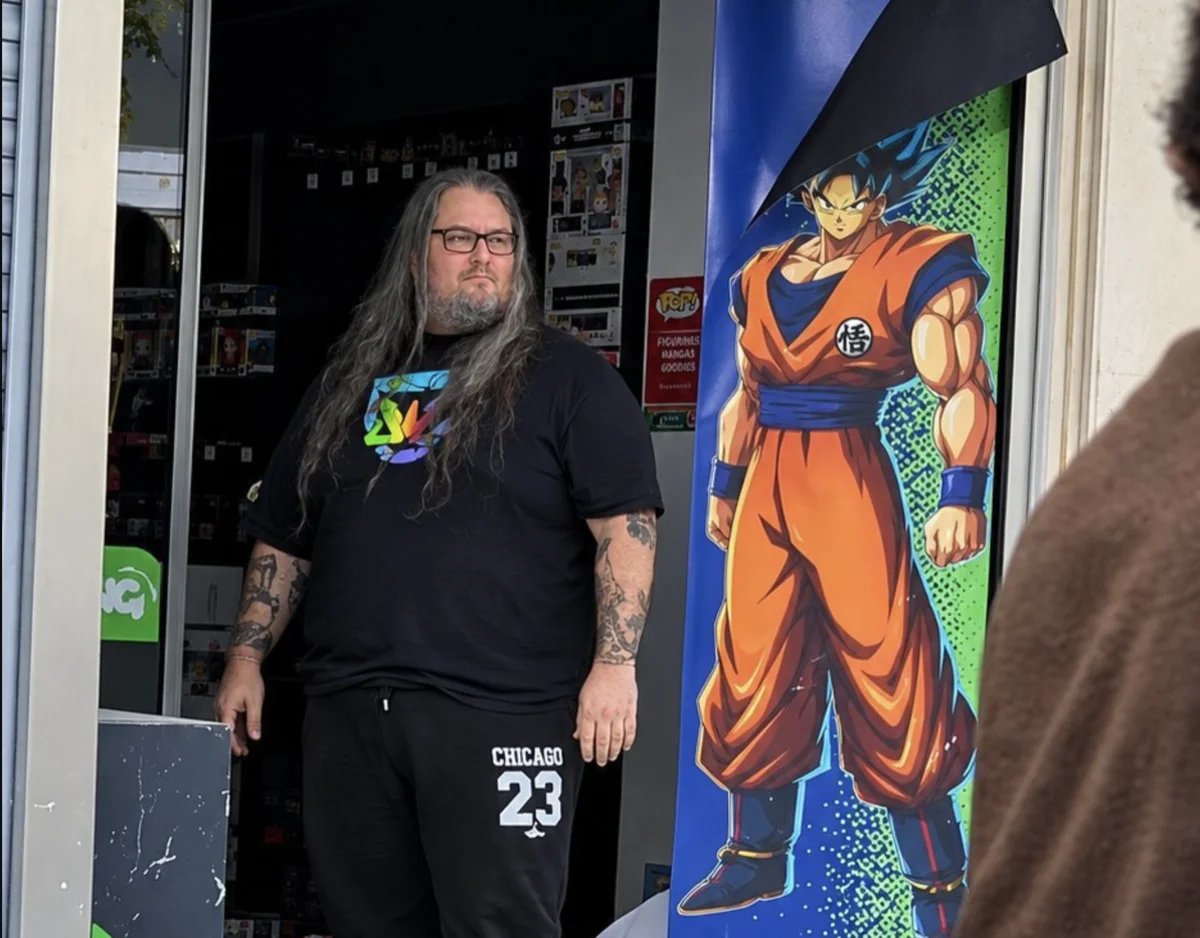
French Goku Hero is a photo and video meme about Pierre, a Micromania employee in Nice, France, who tried to protect his workplace during the October 17, 2026 unrest. The image that made him recognizable shows him standing in a shattered storefront beside a large Goku display, with broken glass at his feet.
La Peace Explained
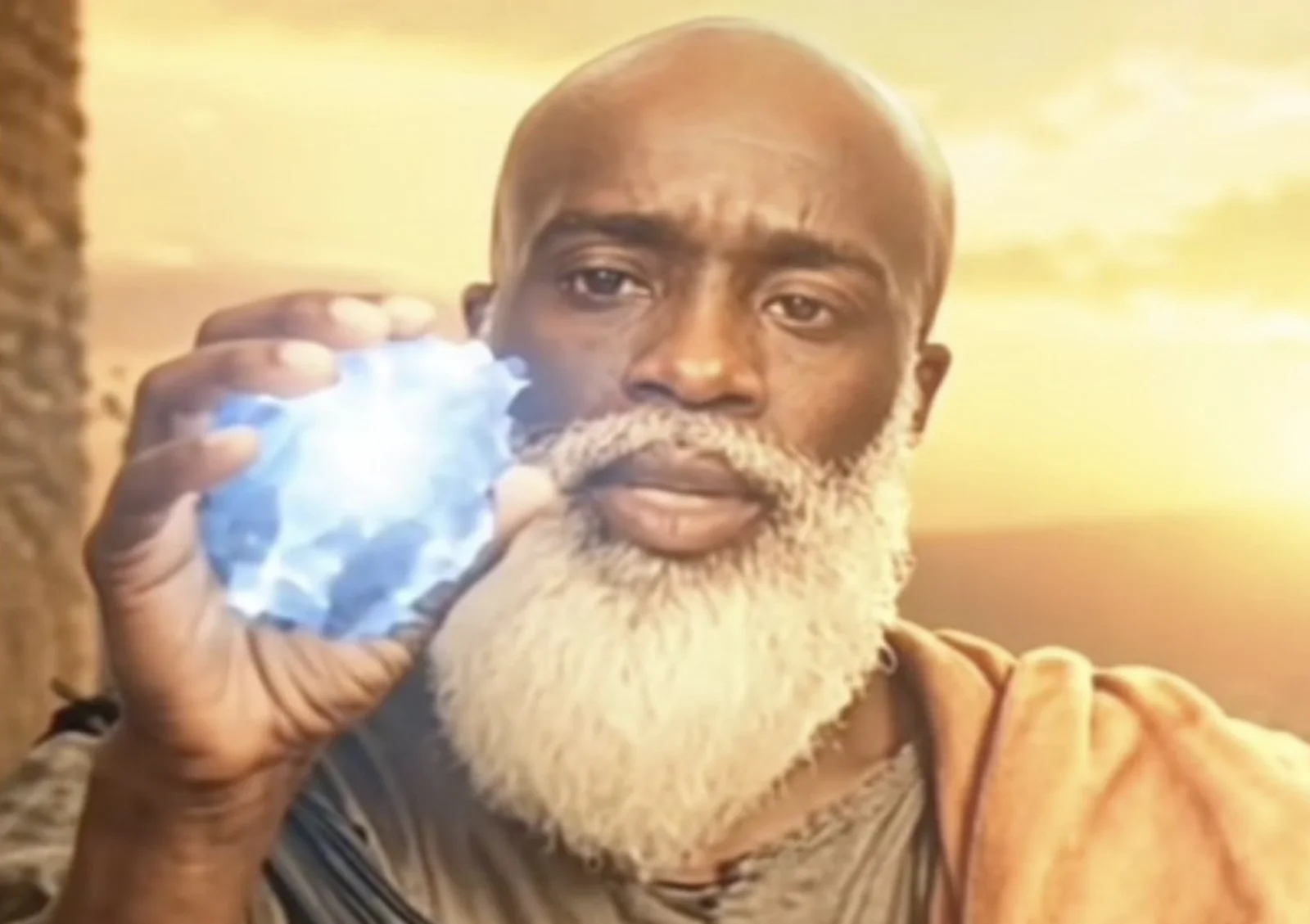
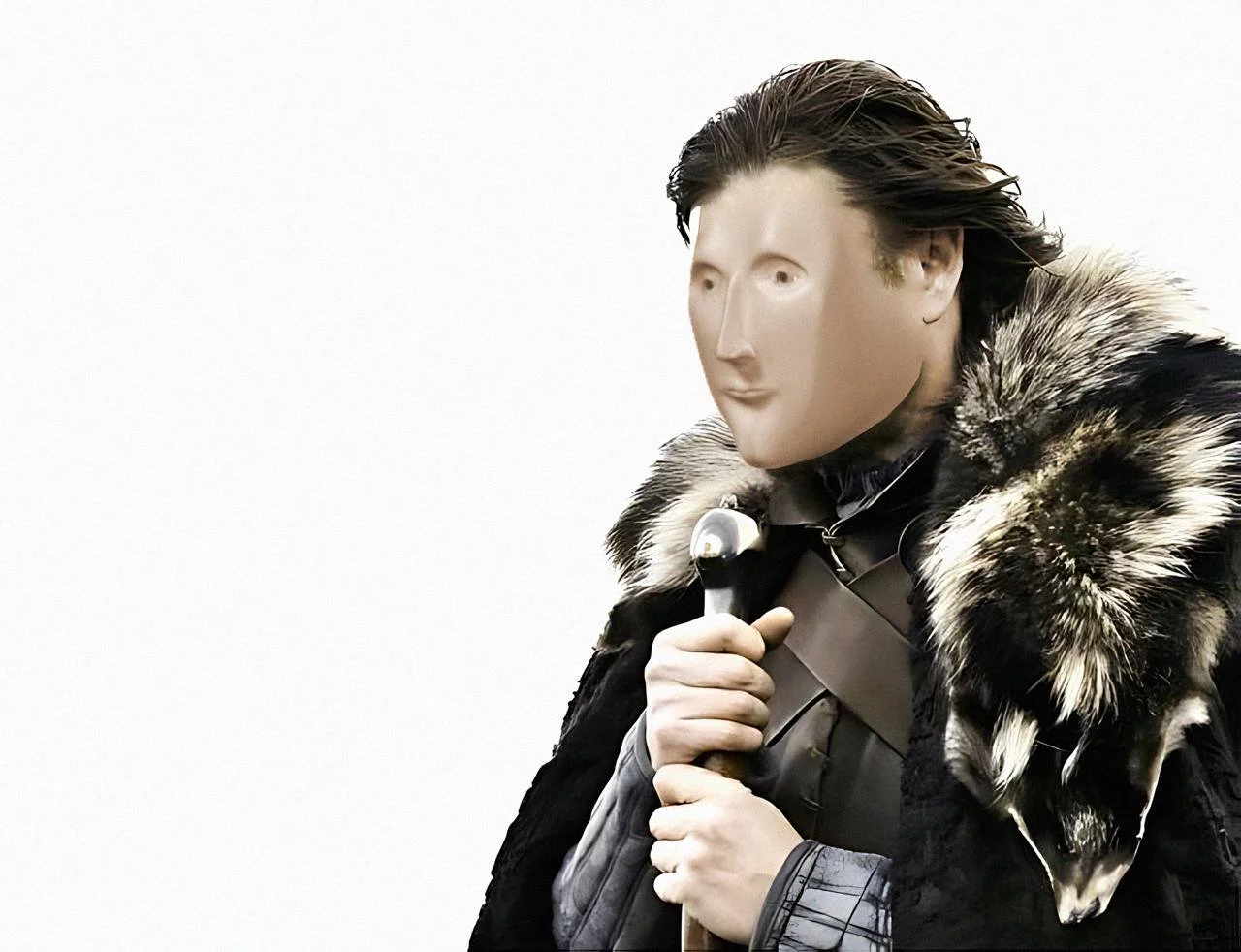
La Peace is a viral audio meme from August 2026 built around Kai Cenat mispronouncing the Minecraft resource lapis lazuli as "la peace" during a Hardcore stream with IShowSpeed. Editors pair the clip with a serene old man image, framing Cenat as a soft-spoken monk delivering ancient wisdom.
What is French Goku Hero
French Goku Hero is a photo and video meme about Pierre, a Micromania employee in Nice, France, who tried to protect his workplace during the October 17, 2026 unrest. The image that made him recognizable shows him standing in a shattered storefront beside a large Goku display, with broken glass at his feet.
La Peace Explained
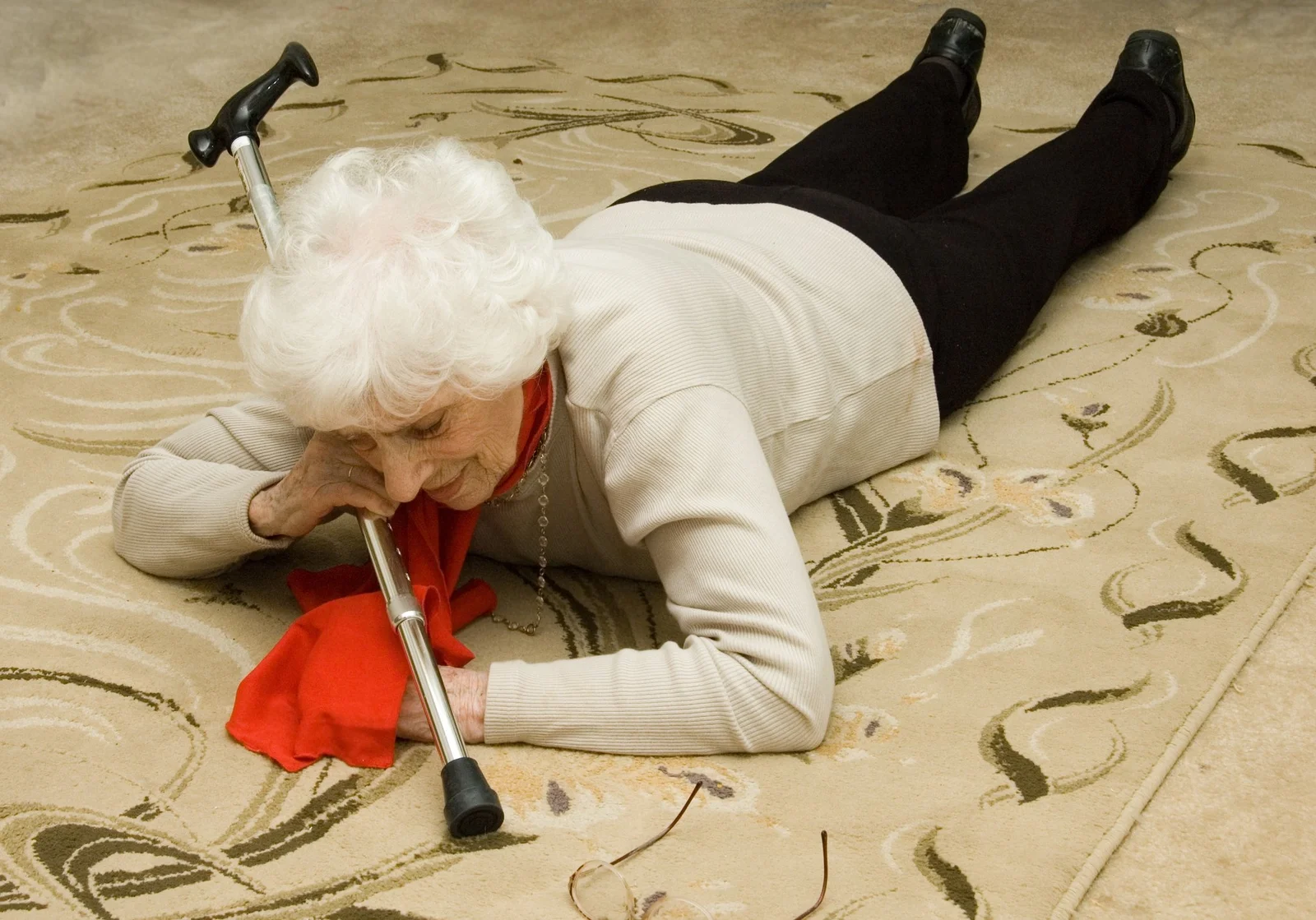
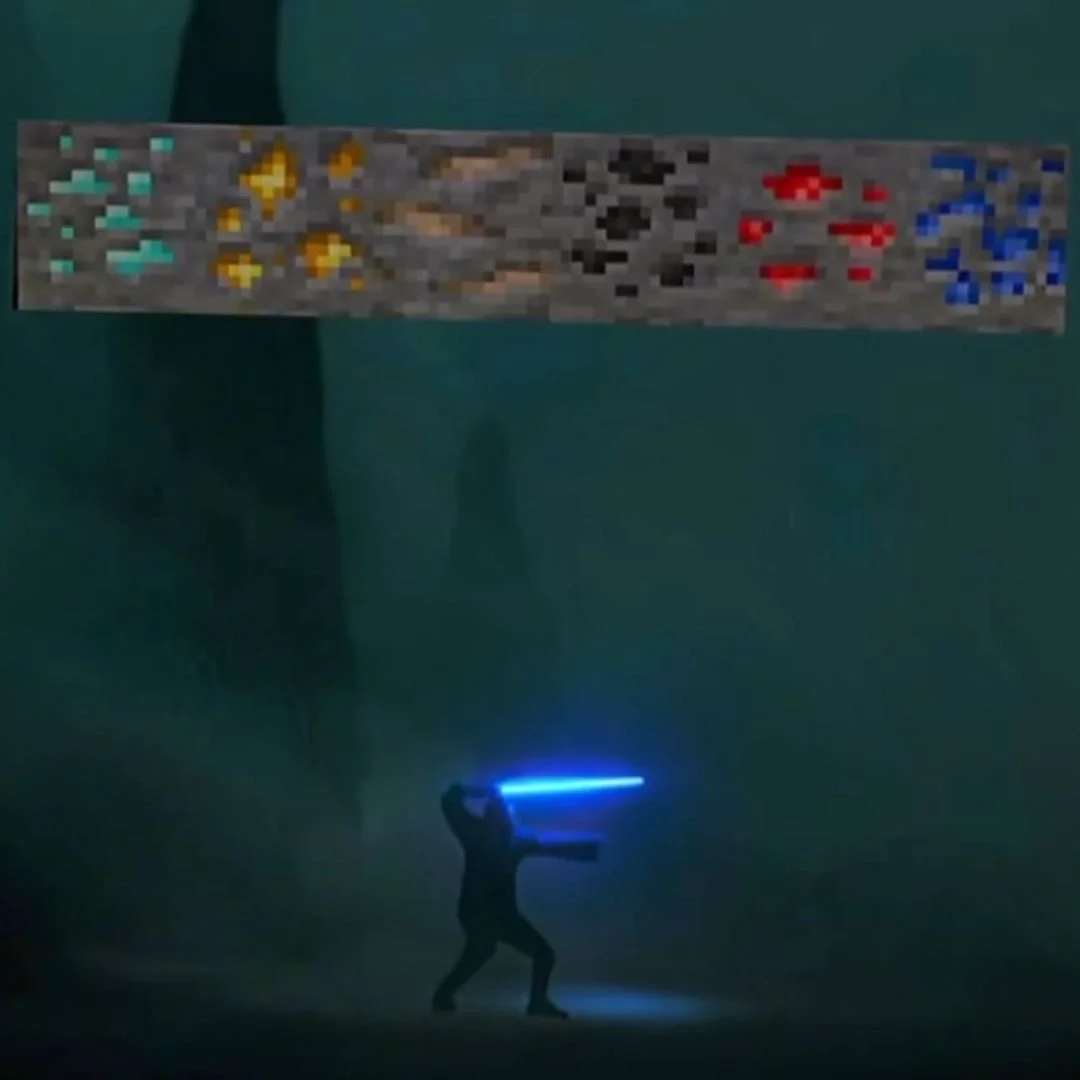
La Peace is a viral audio meme from August 2026 built around Kai Cenat mispronouncing the Minecraft resource lapis lazuli as "la peace" during a Hardcore stream with IShowSpeed. Editors pair the clip with a serene old man image, framing Cenat as a soft-spoken monk delivering ancient wisdom.
Hit the Road Dude: What to Know
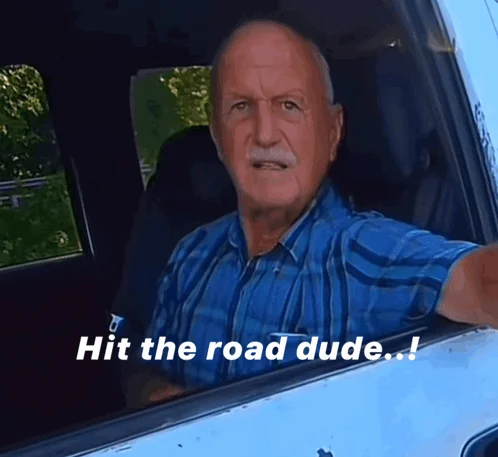
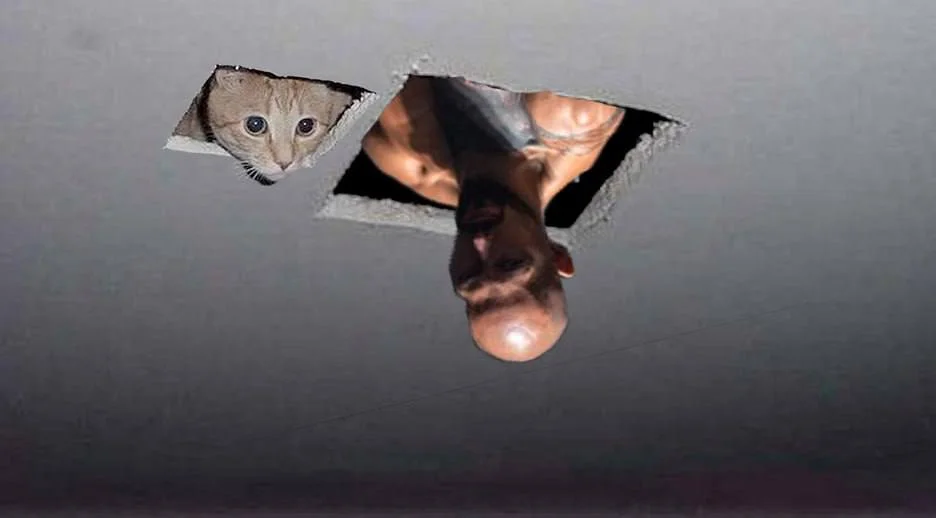
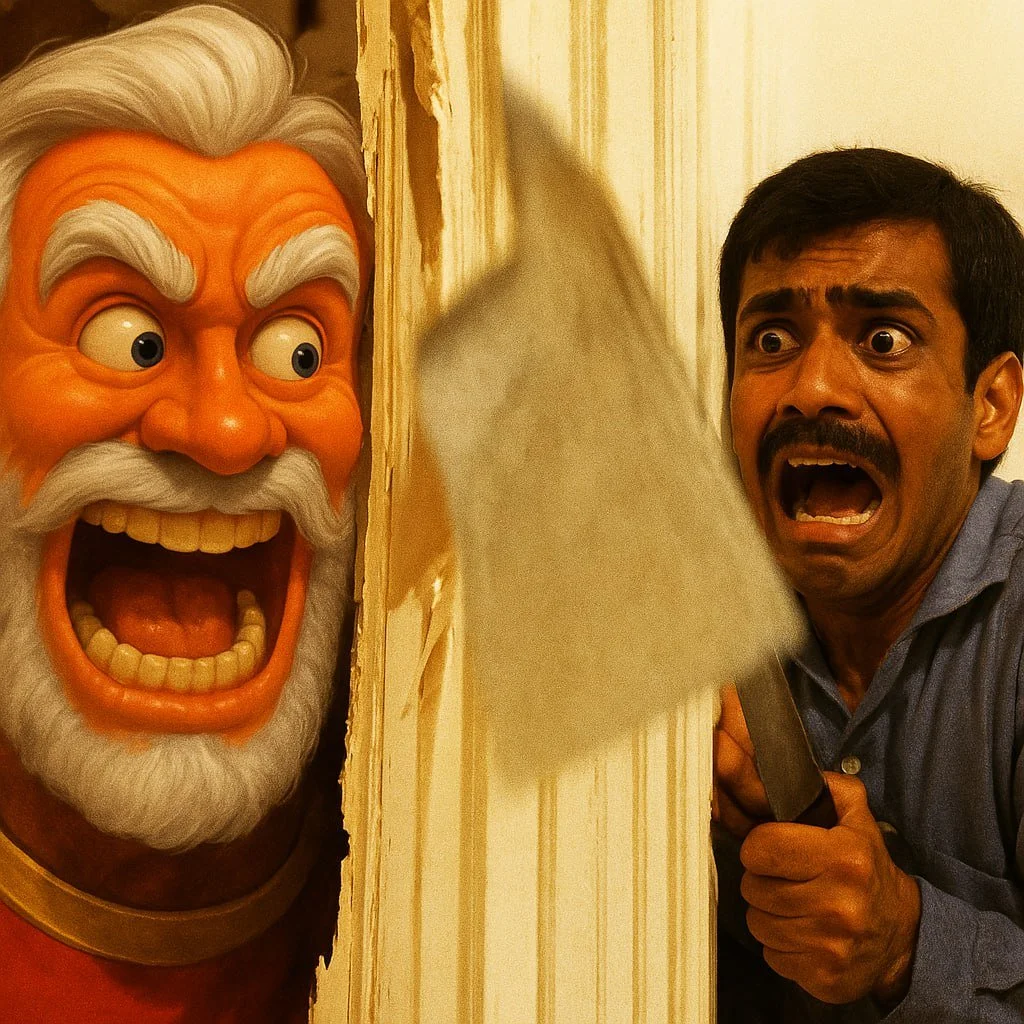
Hit the Road Dude started as an August 2025 TikTok of an older man in a white pickup truck chasing two fishermen away from a pond they thought was state property. His stunned "State?" and blunt order to leave spun off the State Property and Lock 'Em Up memes, and in October 2026 the clip came back as a wave of AI remakes starring cats, Skyrim characters and wizards.
Breaking Down Son 😭😭😭
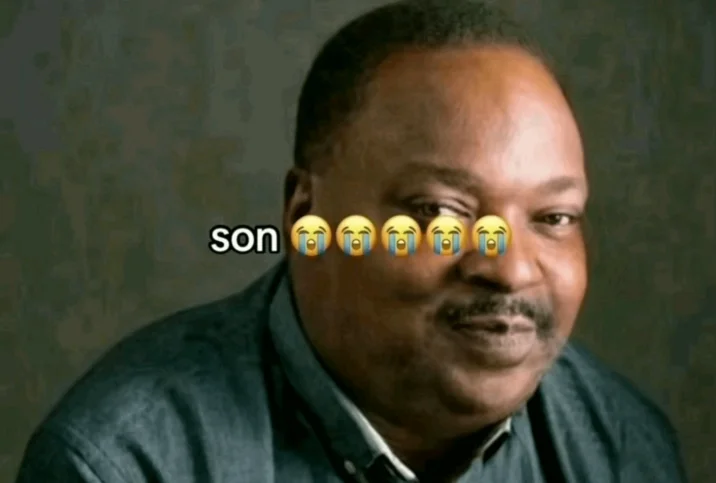
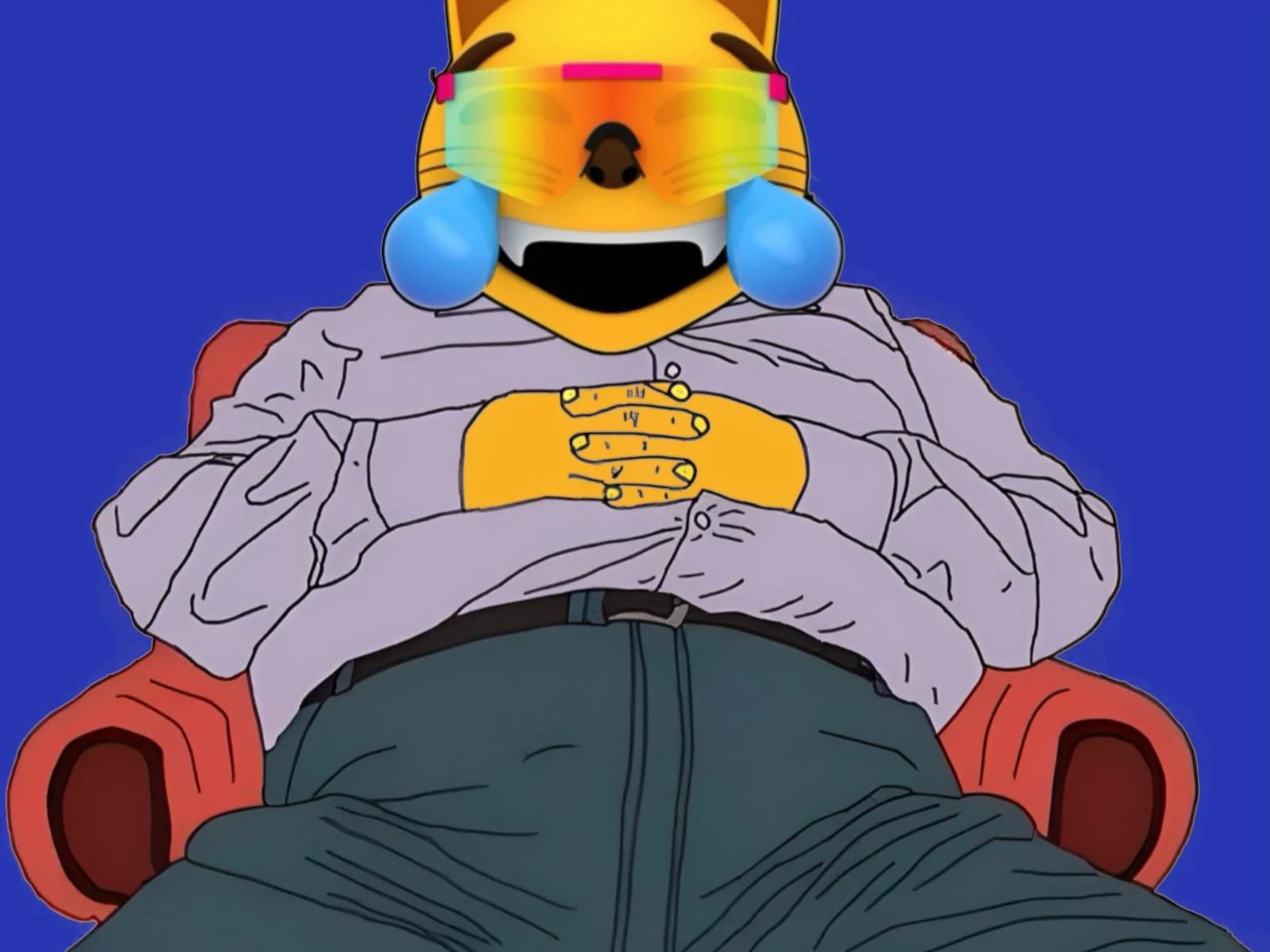
Son 😭😭😭😭😭 is a catchphrase and image macro format that pairs the word 'Son' with a long string of Loudly Crying Face emojis. Built around an edited Anthony Mackie smirk photo, it spread through TikTok and Reddit comment sections starting in September 2025 as a playful 'are you serious?' reaction.
Which meme is your favorite?
Vote on the trending memes right now
PLAY →The Meme World
A living archive of meme culture, preserved from across the internet.

 Minecraft Memes
 What in Tarnation
 Y Tho
Y Tho Baby Yoda / Grogu
 Selfie
 Mog
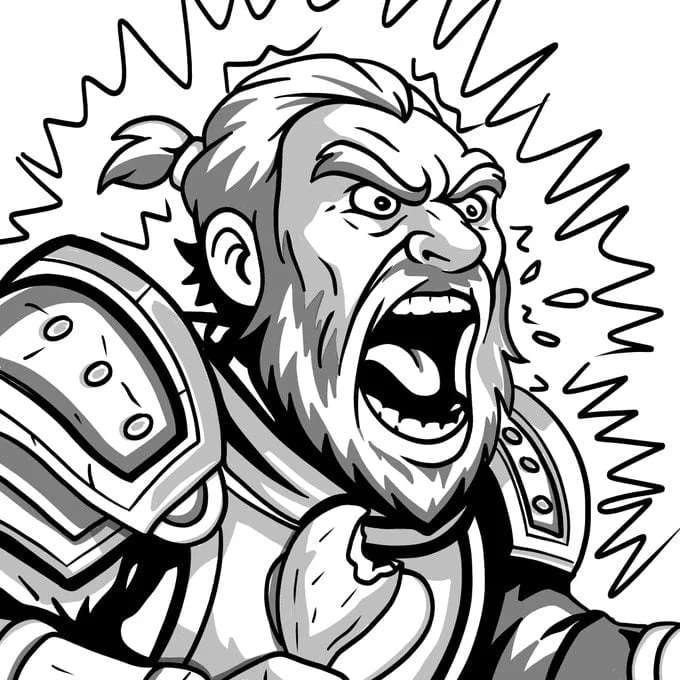
Mog Leeroy Jenkins
 Keyboard Cat
 Agartha
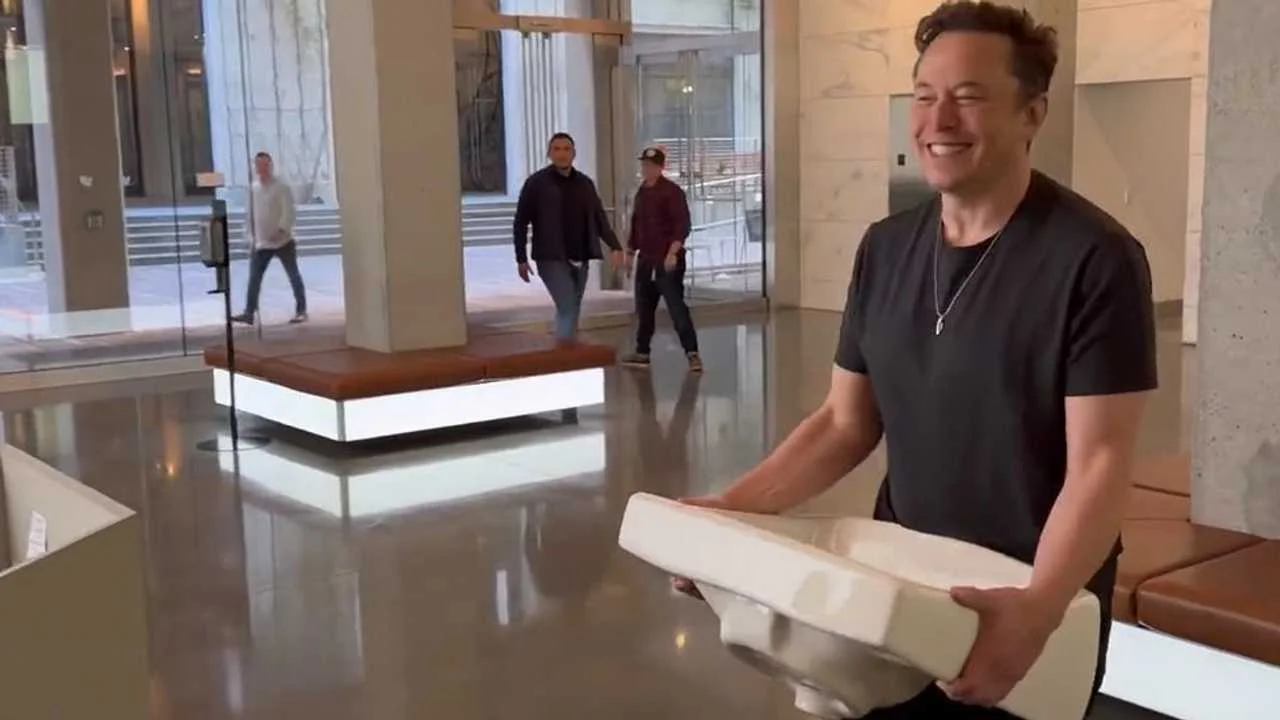 Elon Musk Memes
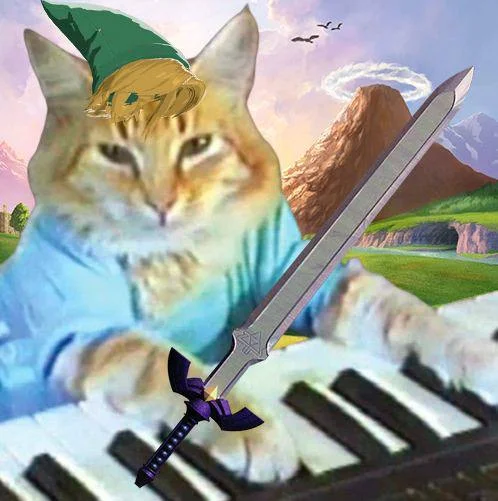 Keyboard Cat
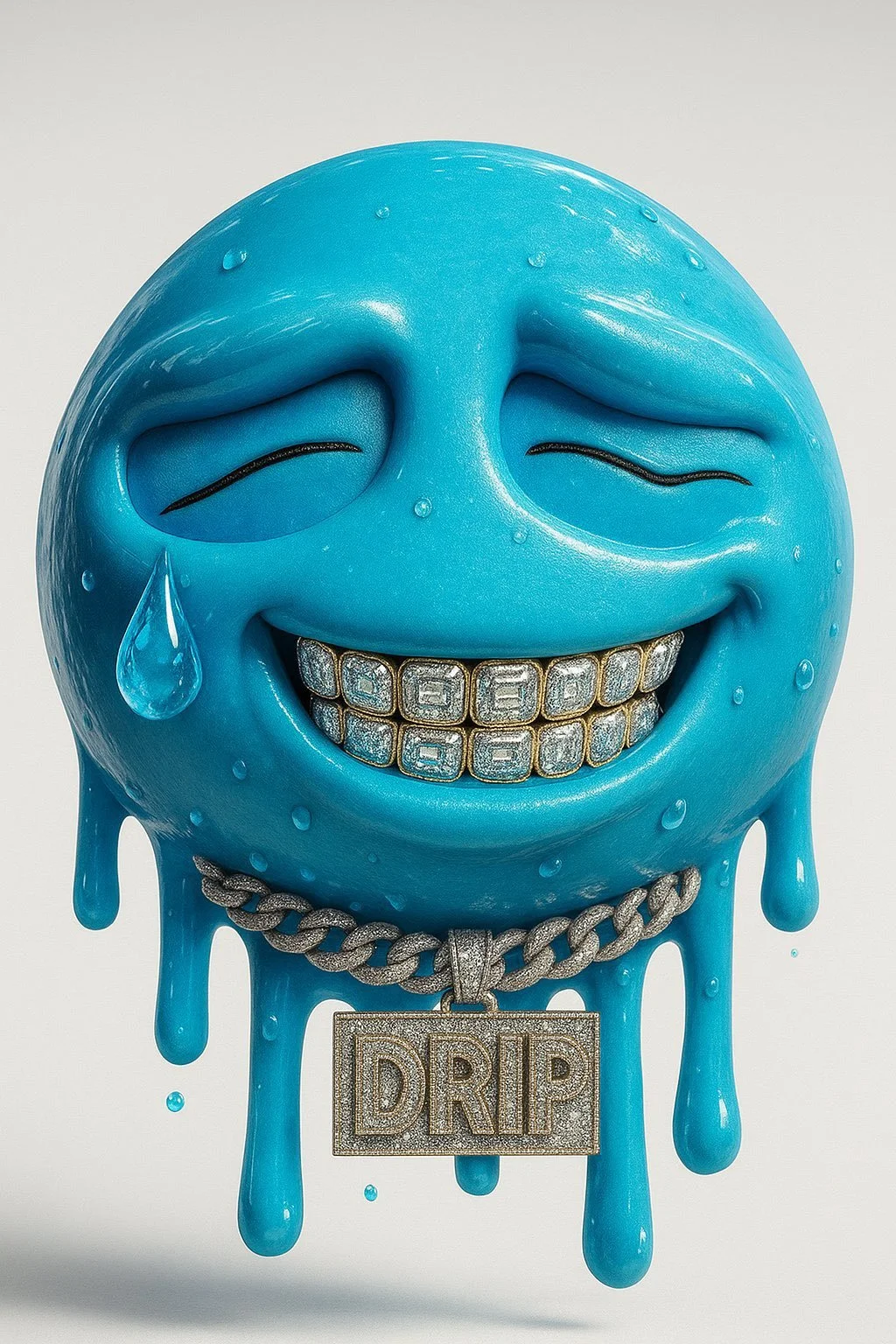 Drip
Drip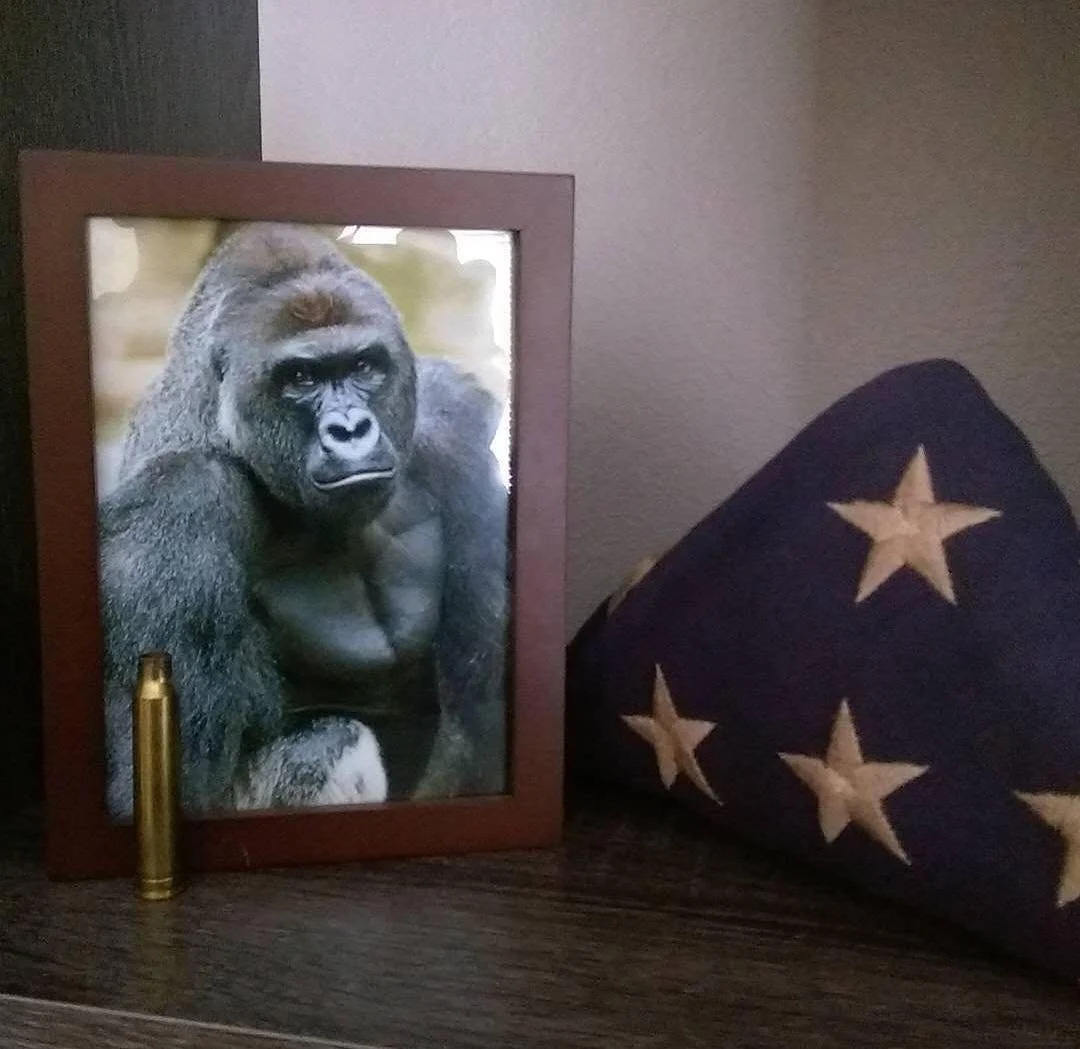 Harambe
 Dat Boi
 Copium
 Elon Musk Memes
 KEK
KEK Pepe the FrogMinecraft MemesWhat in TarnationY ThoBaby Yoda / GroguSelfieMogLeeroy JenkinsKeyboard CatAgarthaElon Musk MemesKeyboard CatDripHarambeDat BoiCopiumElon Musk MemesKEKPepe the Frog
 Feel Like A Sir
 Stonks
 HarryPotterObamaSonic10Inu
 Wholesome Memes
 Apu Apustaja
 Philosoraptor
 Girl Dinner
 Forever Alone
 Leeroy Jenkins
 HarryPotterObamaSonic10Inu
 Selfie
 Philosoraptor
 Stonks
 Baby Shark
 Agartha
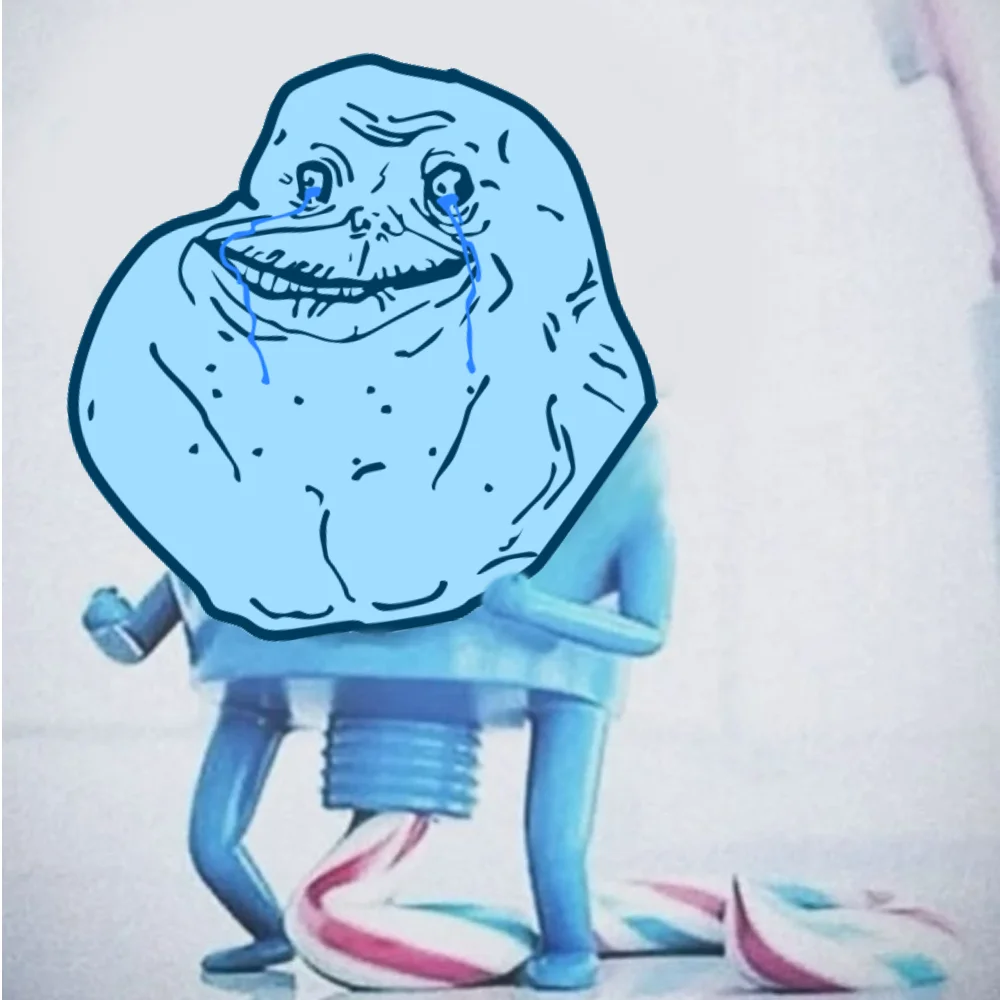 Forever Alone
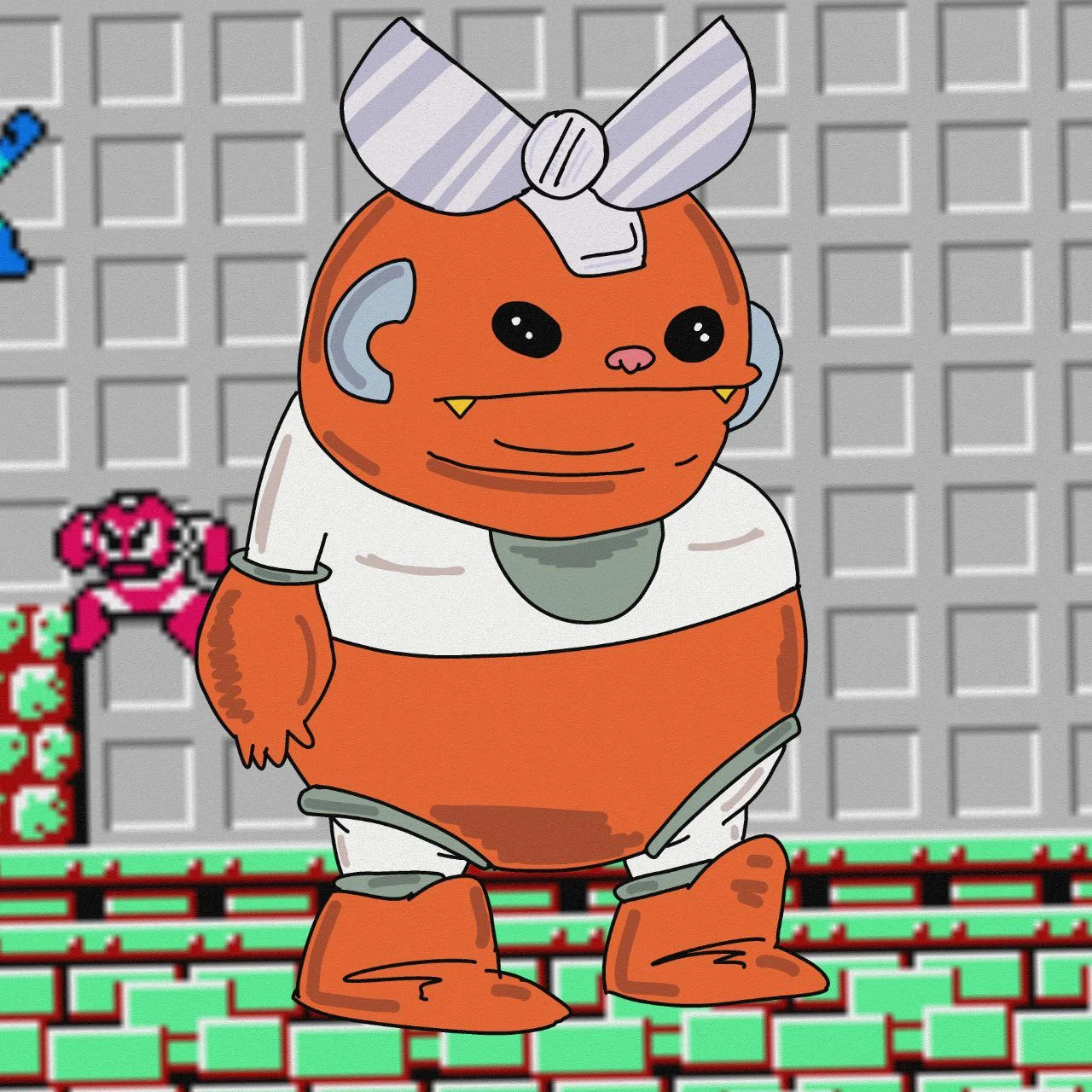 Honey Badger
 FemcelFeel Like A SirStonksHarryPotterObamaSonic10InuWholesome MemesApu ApustajaPhilosoraptorGirl DinnerForever AloneLeeroy JenkinsHarryPotterObamaSonic10InuSelfiePhilosoraptorStonksBaby SharkAgarthaForever AloneHoney BadgerFemcel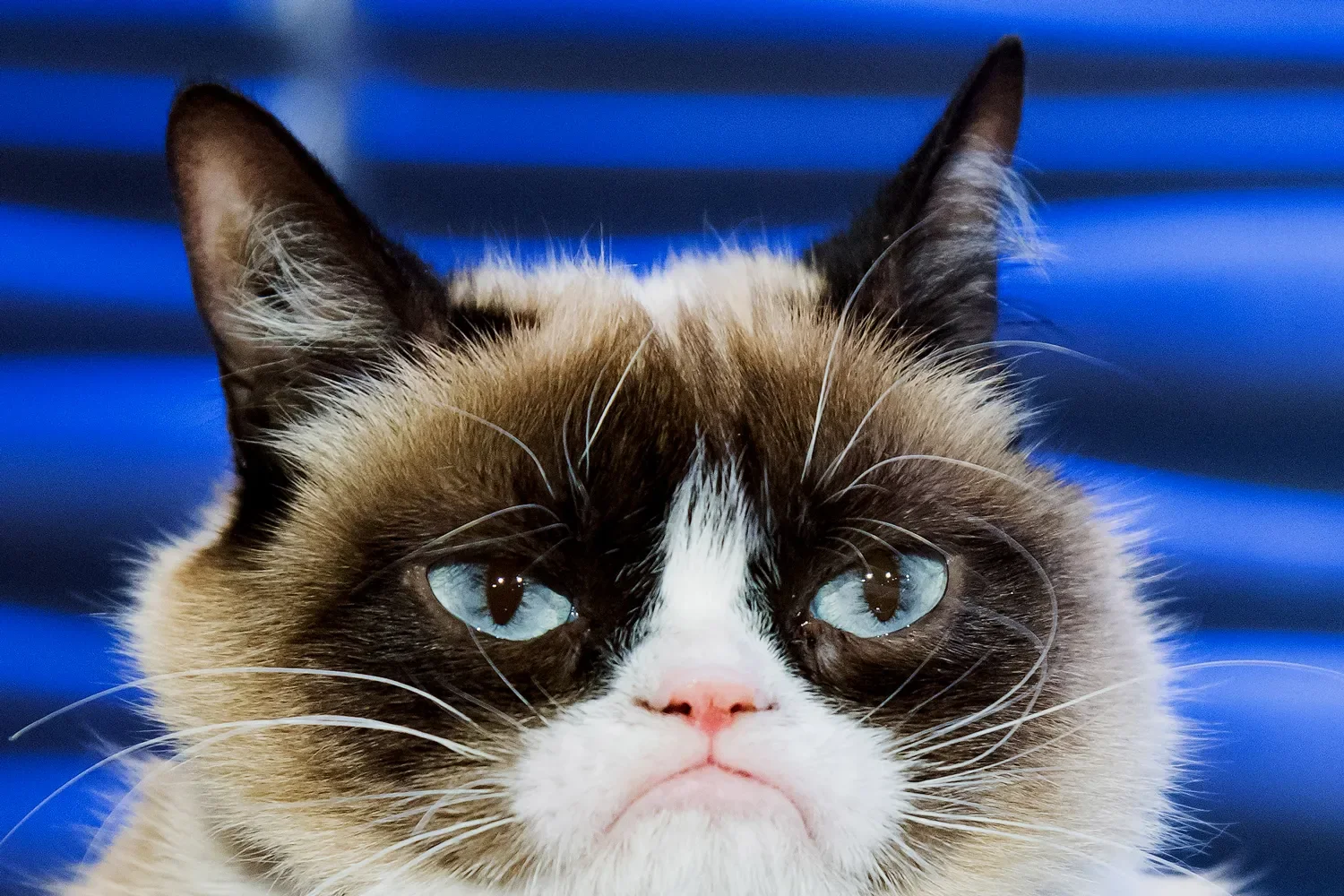
Grumpy Cat
2012Grumpy Cat is the internet nickname for Tardar Sauce, a mixed-breed cat from Arizona whose permanently scowling face made her one of the most famous animals on the internet. First posted to Reddit in September 2012, her photos spawned thousands of image macros with cynical, deadpan captions and built a merchandising empire worth hundreds of thousands of dollars in licensing deals. Tardar Sauce died in May 2019 at age seven, but her grumpy face is still one of the most recognizable meme images ever created.
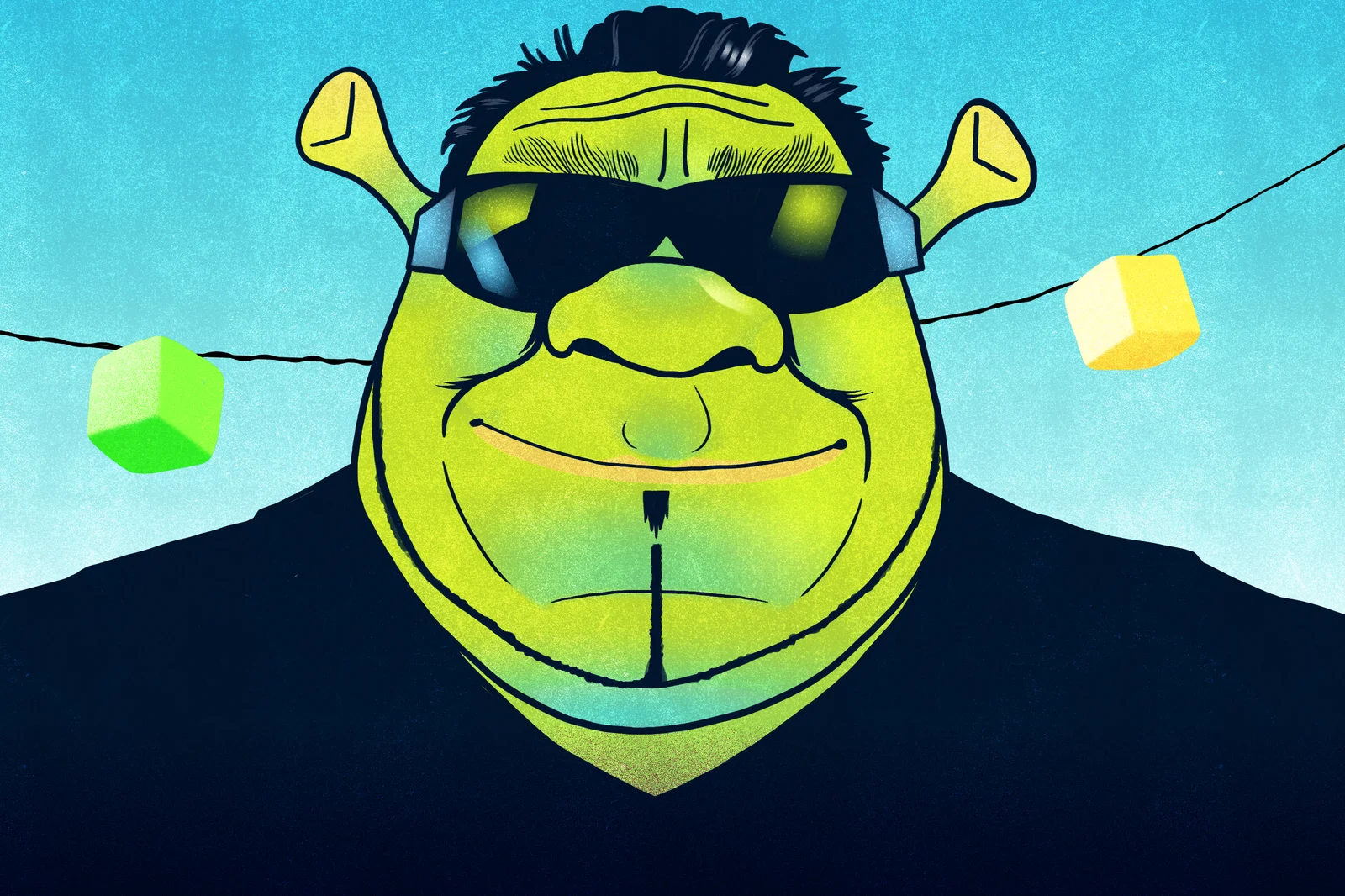
All Star / Shrek
1999"All Star" is a 1999 rock song by Smash Mouth that became one of the internet's most enduring memes after its prominent use in the 2001 animated film *Shrek*. The song's iconic opening line, "Somebody once told me," launched thousands of remixes, mashups, covers, and parodies across YouTube, Reddit, and beyond. Written as an anthem for outcasts by guitarist Greg Camp, the track found a second life online in the 2010s through creators like Neil Cicierega and Jon Sudano, and the band themselves leaned into the joke.
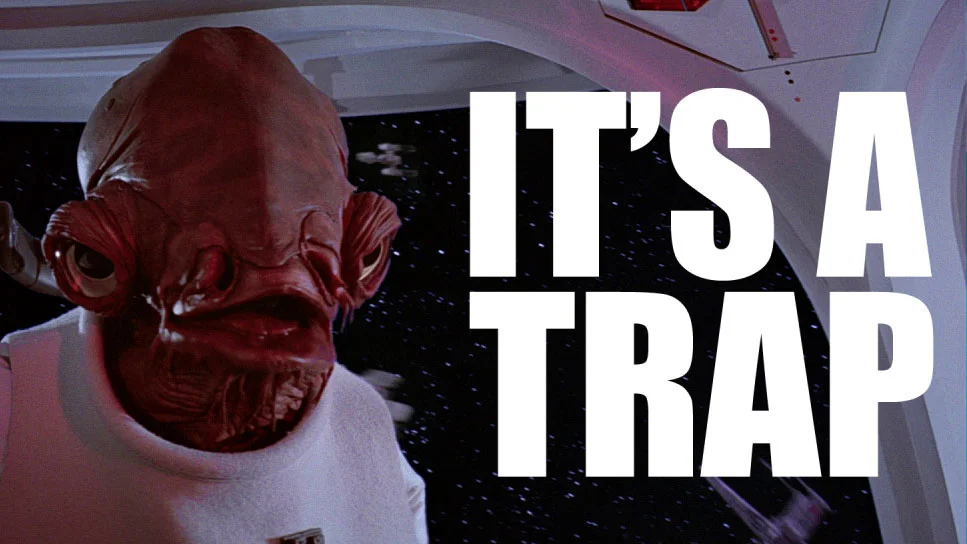
It's a Trap
2009"It's a Trap!" is a catchphrase and reaction image based on Admiral Ackbar's famous line from the 1983 Star Wars film *Return of the Jedi*. The image macro version first appeared on Something Awful in the early 2000s and quickly spread to FARK, YTMND, 4chan, and YouTube, making it one of the most recognizable and long-lived memes from the early internet era. The phrase is used as a humorous warning about anything deceptive, misleading, or suspicious.
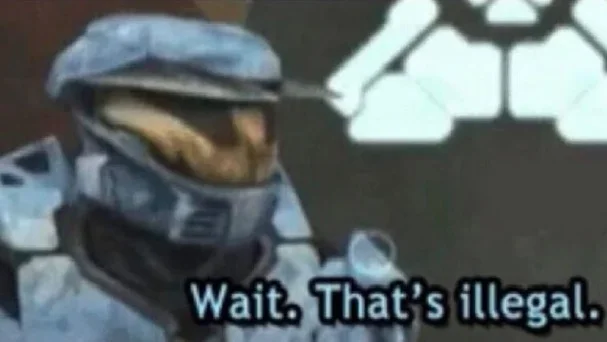
Wait That's Illegal
2004"Wait, That's Illegal" is a reaction image meme taken from the Rooster Teeth web series *Red vs. Blue*, featuring the character Church delivering the line. The source material dates back to 2004, but the screenshot didn't take off as a meme format until January 2019, when it blew up on Reddit's r/MemeEconomy and r/dankmemes. It's used to react to anything that seems like it shouldn't be allowed, whether genuinely rule-breaking or just absurd.
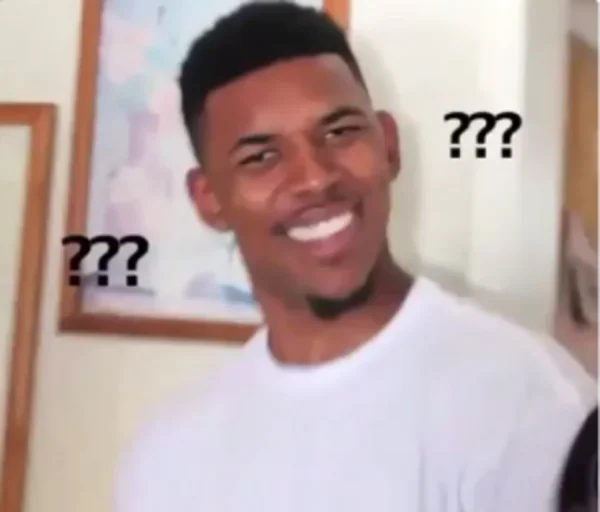
Confused Nick Young
2014Confused Nick Young is a reaction image of NBA player Nick Young (aka Swaggy P) looking bewildered with question marks floating around his head. The image comes from a 2014 YouTube web series and went viral in 2015 on Black Twitter, becoming one of the internet's most-used visual shorthand for confusion and disbelief.
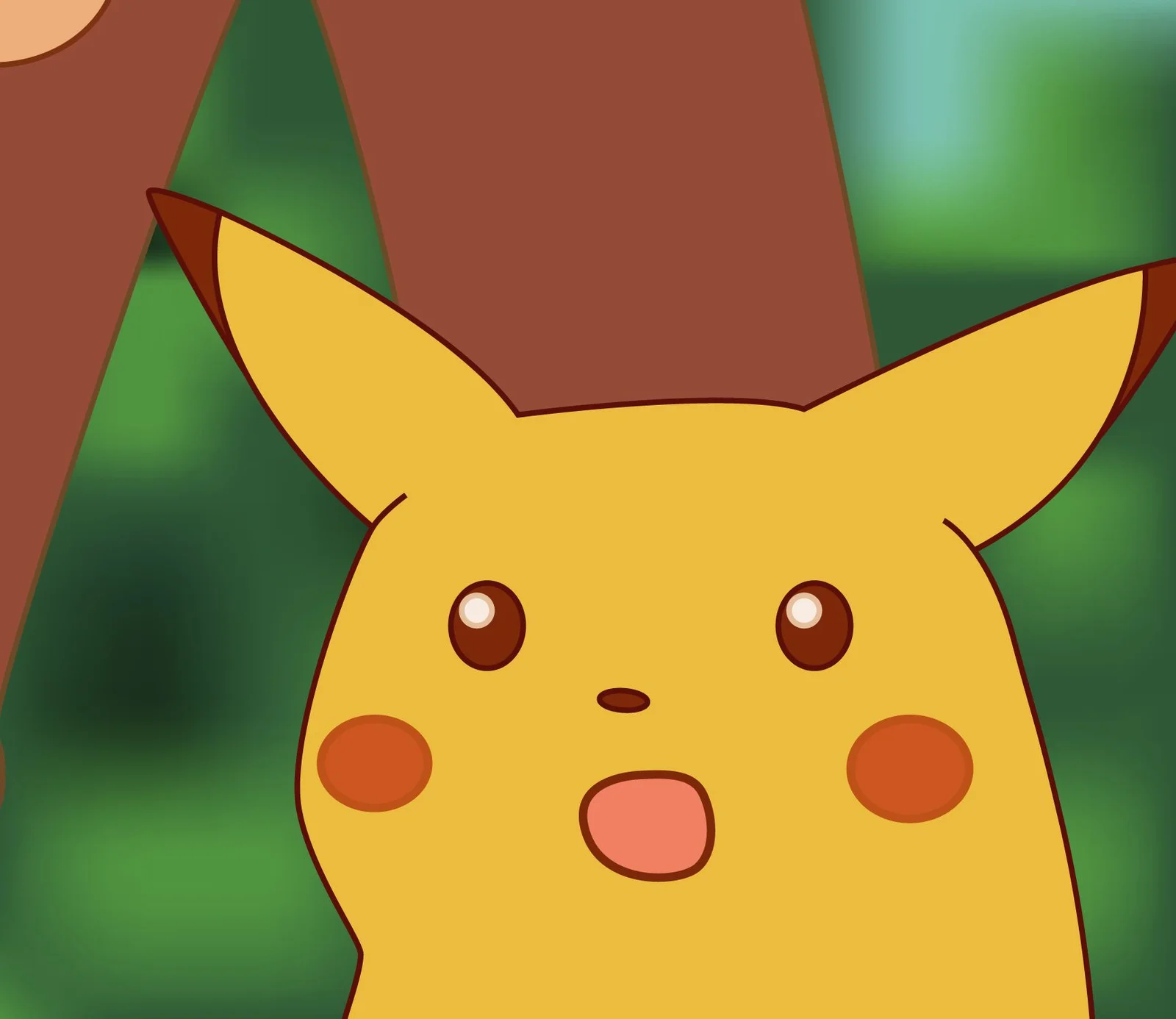
Surprised Pikachu
2018Surprised Pikachu is a reaction image pulled from a 1997 episode of the Pokémon anime, showing Pikachu with wide eyes and an open mouth in a look of shock. First used as a meme on Tumblr in September 2018 by user popokko (Angela), it became the most-used meme of that year by pairing the image with scenarios where someone is "surprised" by a completely predictable outcome. A WIRED investigation into its viral trajectory raised questions about whether its November 2018 popularity spike was connected to the Detective Pikachu film marketing, though no definitive link was established.
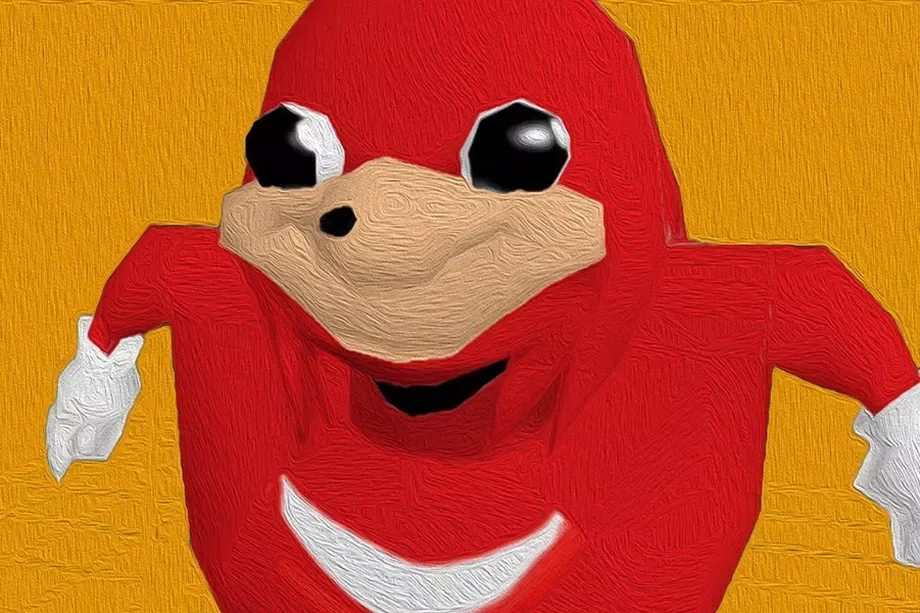
Ugandan Knuckles
2013Ugandan Knuckles is a VRChat meme built around a distorted 3D model of Knuckles the Echidna from the Sonic the Hedgehog franchise. Players swarmed virtual lobbies using the avatar while repeating "Do you know de wey?" in a mock African accent, creating one of the most viral and controversial gaming memes of early 2018. The meme sparked a major debate about racial stereotyping in online spaces and drew comparisons to Pepe the Frog's trajectory from harmless joke to co-opted symbol.
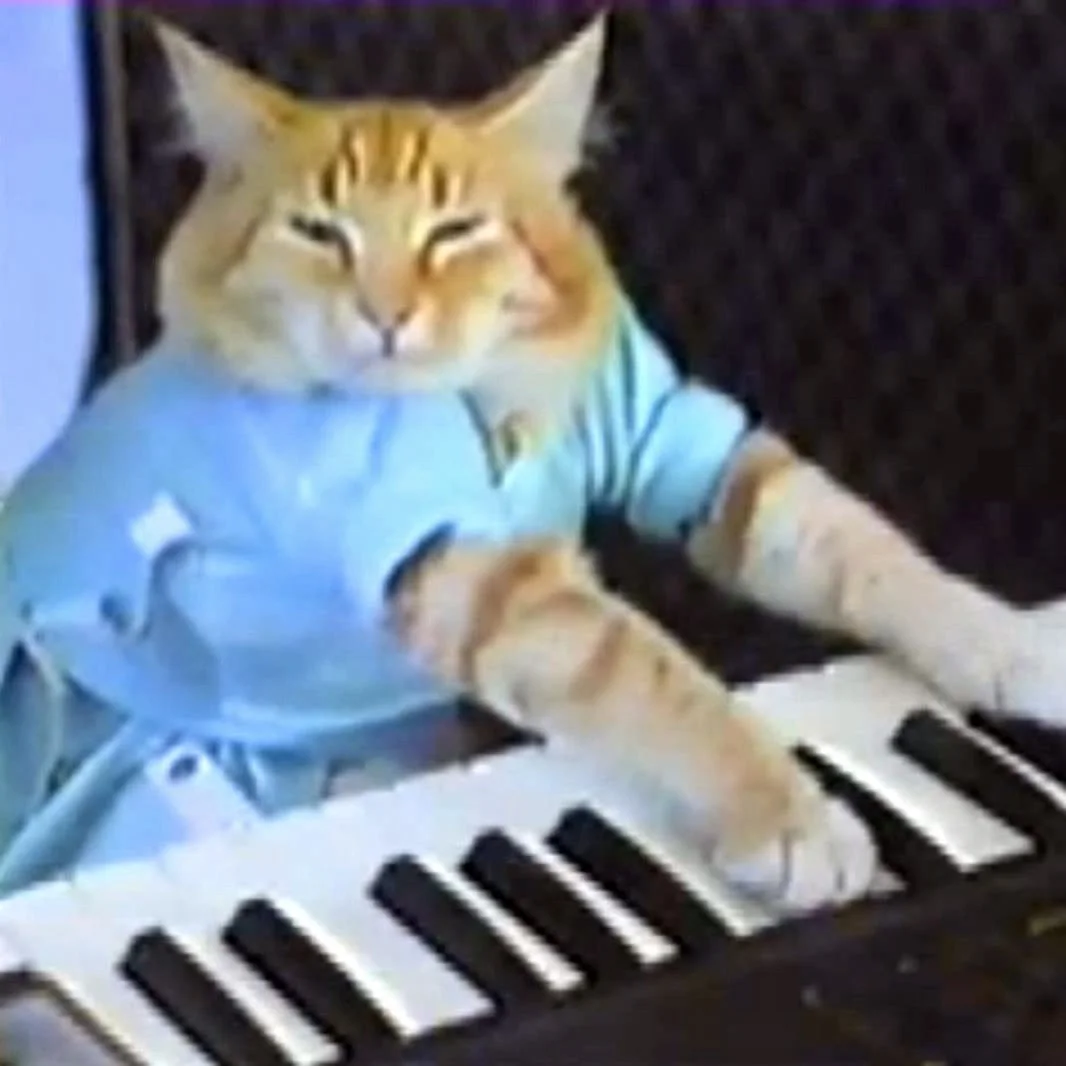
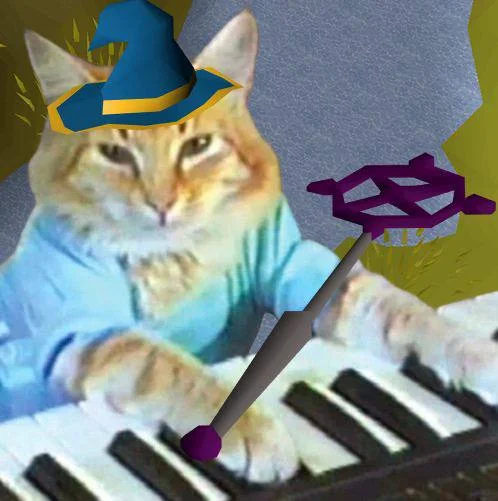
Keyboard Cat
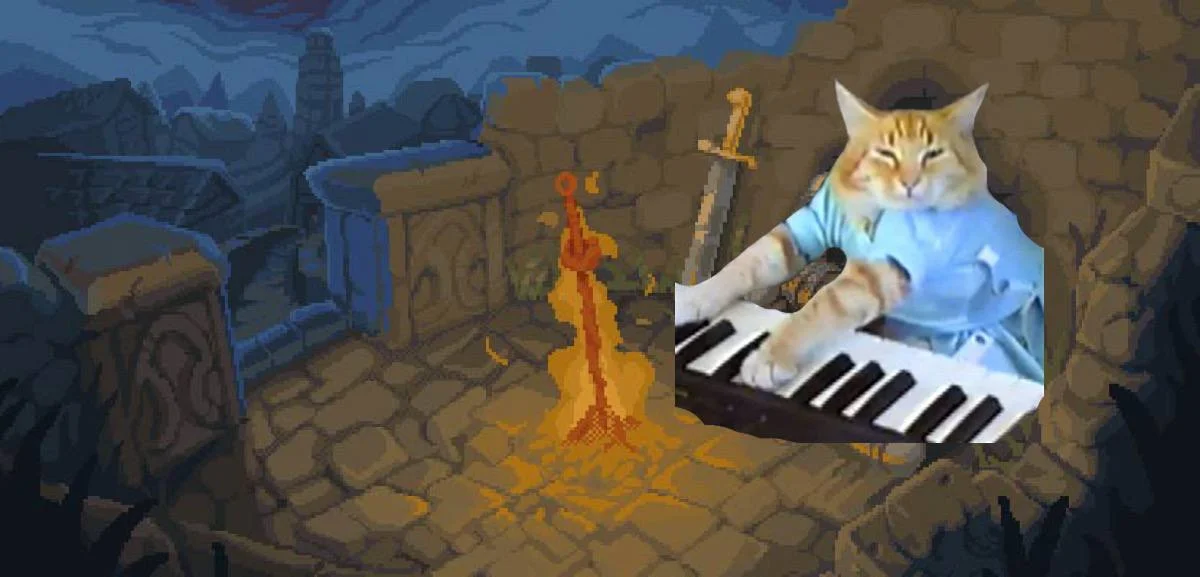
1984Keyboard Cat is a viral video meme featuring an orange tabby cat named Fatso, filmed in 1984 by performance artist Charlie Schmidt, appearing to play an electronic keyboard while wearing a blue shirt. The clip sat dormant for over two decades before being uploaded to YouTube in 2007 and exploding into one of the internet's most recognizable memes in 2009, when Brad O'Farrell created the "Play Him Off, Keyboard Cat" mashup format that paired the footage with fail videos as a comedic send-off.
Meme Connoisseur Game
Vote for the best new memes, earn rewards when your picks win
Best New Memes
Vote for trending memes and win when your picks top the leaderboard