Burger Emoji Debate
Published August 17, 2026
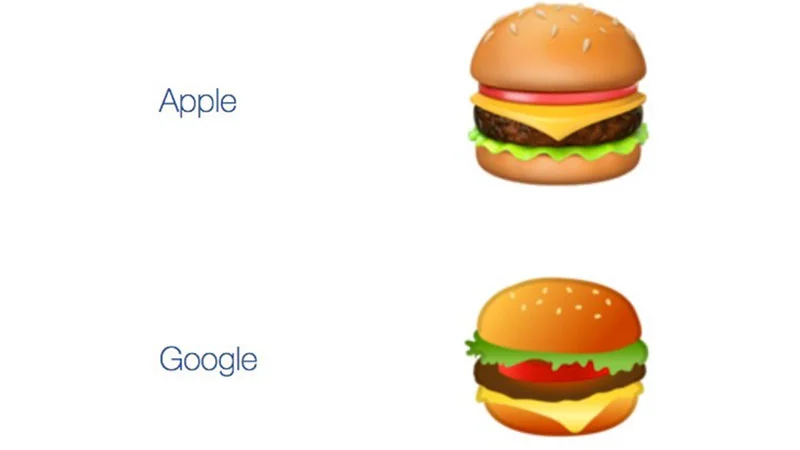
The Burger Emoji Debate was a viral October 2017 argument over how Google, Apple, and other tech giants stacked the ingredients in the cheeseburger emoji. Twitter user Thomas Baekdal sparked the fight by comparing Google's cheese-under-patty design against Apple's lettuce-under-patty build, and Google CEO Sundar Pichai publicly promised to fix it.
Overview
The Burger Emoji Debate was a viral October 2017 argument about how tech companies stacked the ingredients in the cheeseburger emoji. The core complaint was that Google's design placed the cheese underneath the meat patty, directly against the bottom bun, while Apple's version put the lettuce underneath the patty so the cheese and tomato sat on top1. Neither choice matched the classic American bun-salad-cheese-patty-bun build, and Twitter turned it into a weekend-long fight.
The disagreement pulled in Google CEO Sundar Pichai, dozens of mainstream news outlets, and Jeremy Burge, the editor of Emojipedia and vice-chair of the Unicode emoji subcommittee6. The Verge published its coverage under the nickname 'Burgergate'1. Different platforms drew the burger emoji wildly differently: Microsoft went with the American archetype stack, WhatsApp added ketchup, HTC used a double patty with a lettuce divider, and Mozilla stripped everything back to a slice of cheese on a sesame bun2.
The hamburger emoji itself was approved as part of Unicode 6.0 in 2010 and added to Emoji 1.0 in 2015, and every company had been free to draw its own version since7. The 2017 argument was the first time users at scale actually compared the designs side by side and got mad about the differences.
Gallery
Origin & Background
How It Spread
How to Use This Meme
The Burger Emoji Debate itself became a reference template for any online argument about emoji design. Posts typically frame the fight as mock-serious food criticism, complete with ingredient physics arguments like 'how do you cook it to drip down the bun like that?' and appeals to real burger chains as culinary authorities1. When a company redesigns an emoji today, users often bring up the burger fight as the case study for what happens when the details go wrong.
Cultural Impact
Frequently Asked Questions
References (7)
- 1
- 2
- 3
- 4
- 5
- 6
- 7