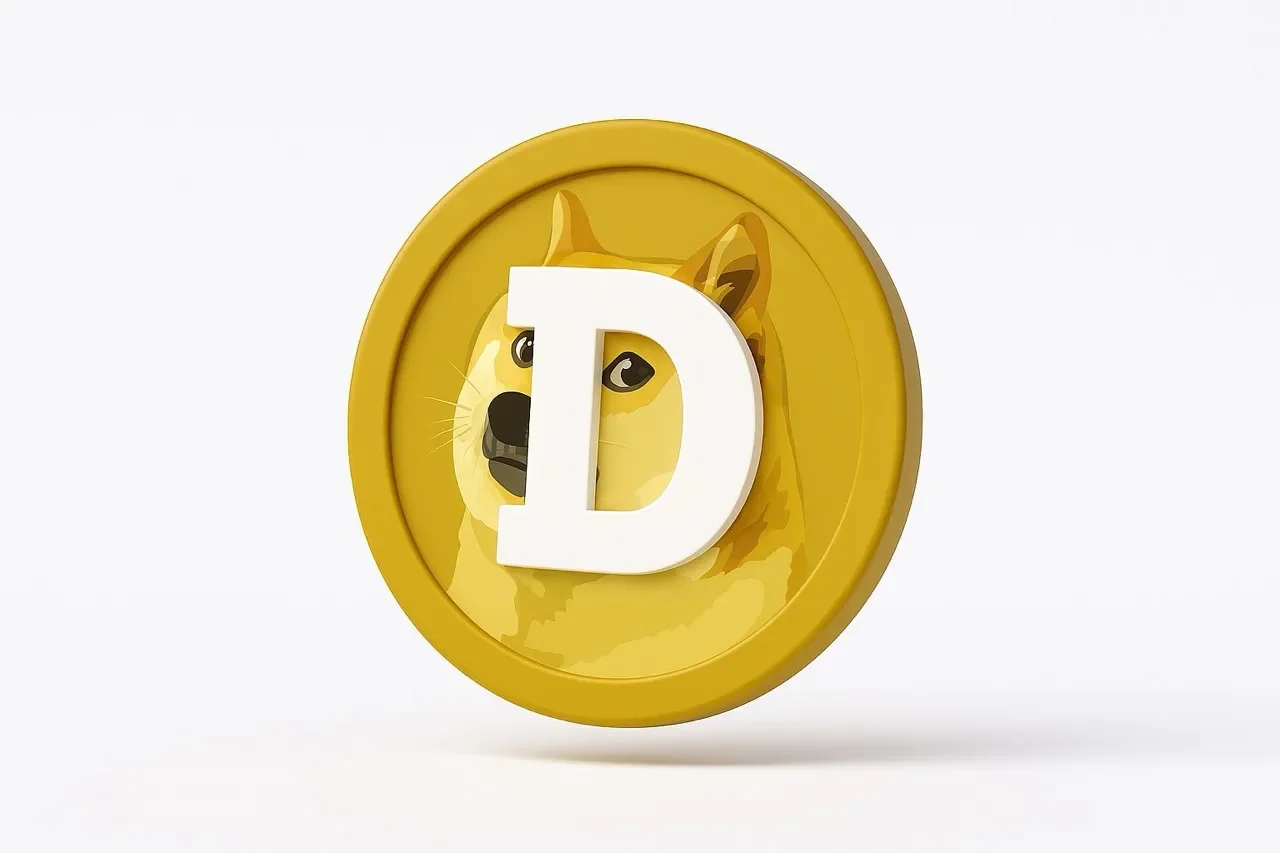
Dogecoin
Also known as: DOGE · Ð · Dogecoins
Dogecoin is a cryptocurrency launched on December 6, 2013, by software engineers Billy Markus and Jackson Palmer as a joke riffing on the Doge meme and Bitcoin hype5. Widely considered the first "meme coin," it went from a parody altcoin to a multibillion-dollar digital currency, peaking at over $85 billion in market cap in May 20212. Its community, self-dubbed "shibes," funded everything from the Jamaican bobsled team's Olympic trip to a NASCAR car wrapped in a Shiba Inu's face1.
Overview
Dogecoin is an open-source, peer-to-peer digital currency running on a proof-of-work blockchain using the Scrypt algorithm, the same technology behind Litecoin8. Its ticker symbol is DOGE and its currency sign is Ð. The coin leans heavily into internet humor: Comic Sans font throughout, the word "mine" swapped for "dig" (because dogs dig, not mine), and a Shiba Inu plastered across all branding11.
Unlike Bitcoin's hard cap of 21 million coins, Dogecoin has no maximum supply6. Around 10,000 new DOGE are created per block, with blocks mined every minute, adding roughly 5.256 billion coins per year to the circulating supply12. This inflationary design was intentional. It's meant to encourage spending rather than hoarding, making DOGE better suited for tipping and microtransactions than for long-term value storage3. The coin's one-minute block time also gives it faster transaction speeds than Bitcoin for everyday payments12.
The official tagline is "Do Only Good Everyday," and dogecoin.com describes it as "the accidental crypto movement that makes people smile"10. The community is known for charitable fundraising, absurd stunts, and an infectious enthusiasm that attracted users who'd never otherwise touch cryptocurrency9.
On November 27, 2013, Jackson Palmer, a marketing professional at Adobe's Sydney office, tweeted that he was "investing in Dogecoin, pretty sure it's the next big thing"4. It was a throwaway joke combining two of the internet's hottest topics: cryptocurrency and the Doge meme. Friends encouraged him to follow through16.
One night after work, Palmer bought the domain Dogecoin.com, Photoshopped the Doge Shiba Inu onto a coin, and put up a splash page in Comic Sans with a note: if you want to make this real, get in touch11.
On the other side of the world in Portland, Oregon, IBM software developer Billy Markus spotted the website. Markus had just built a cryptocurrency called "Bells," named after the currency in Nintendo's Animal Crossing, but the crypto community hadn't gotten the joke11. He emailed Palmer, and without waiting for a reply, started building Dogecoin's code anyway.
The technical work was fast. Markus forked the protocol from Luckycoin, itself derived from Litecoin5. He changed the font to Comic Sans, swapped every mention of "mine" for "dig," and set the initial supply at 100 billion coins with randomized mining rewards11. "From 'that seems like it's funny' to actually doing it took about three hours," Markus told CNET11.
Neither founder premined any coins. Markus was the first person to mine Dogecoin on his gaming PC, but his computer couldn't keep up after about five minutes as other miners piled in. He split what he'd mined 50-50 with Palmer11. They pushed the cryptocurrency live on December 6, 20133.
Origin & Background
How It Spread
Platforms
Timeline
How to Use This Meme
Dogecoin isn't a meme template you remix. It's a functional cryptocurrency. Typical uses include:
Buy DOGE on a major exchange like Binance, Coinbase, or Kraken
Store it in a digital wallet (software or hardware)
Tip content creators by sending small amounts of DOGE to their wallet addresses on social media platforms
Spend it at merchants who accept DOGE, including SpaceX and the Dallas Mavericks
Mine it using a GPU on Windows, Mac, or Linux, though solo mining is impractical for most people at this point
Cultural Impact
Full History
Fun Facts
Billy Markus's gaming PC could only mine Dogecoin for about five minutes before too many other miners joined and his hardware couldn't keep up.
Palmer bought the Dogecoin.com domain and put up the splash page before any actual cryptocurrency code existed. The real coin was built after Markus saw that page.
Markus admitted he didn't understand large chunks of Bitcoin's source code. Building Dogecoin was essentially a find-and-replace job on Litecoin's codebase.
The Moolah.io founder accidentally donated 20 million DOGE to the NASCAR fundraiser by adding an extra zero to his intended contribution, but decided to keep the mistake.
Dogecoin has not received a major technical update since 2015, yet it maintained a multibillion-dollar market cap for years on community momentum alone.
Derivatives & Variations
Multiple copycat meme coins inspired by Dogecoin's success
A variation of Dogecoin
(2021)Shiba Inu coin as a competitor meme cryptocurrency
A variation of Dogecoin
(2021)NFT projects using Doge imagery
A variation of Dogecoin
(2021)Merchandise featuring the Dogecoin logo
A variation of Dogecoin
(2021)Other animal-themed meme coins
A variation of Dogecoin
(2021)Frequently Asked Questions
References (22)
- 1
- 2
- 3
- 4Dogecoin - Know Your Memeencyclopedia
- 5Dogecoinencyclopedia
- 6Dogecoin - Urban Dictionarydictionary
- 7
- 8
- 9
- 10
- 11
- 12
- 13
- 14
- 15
- 16
- 17
- 18
- 19
- 20
- 21
- 22Dogewallet hacked!article