Dread Pirate Roberts
Published August 19, 2026
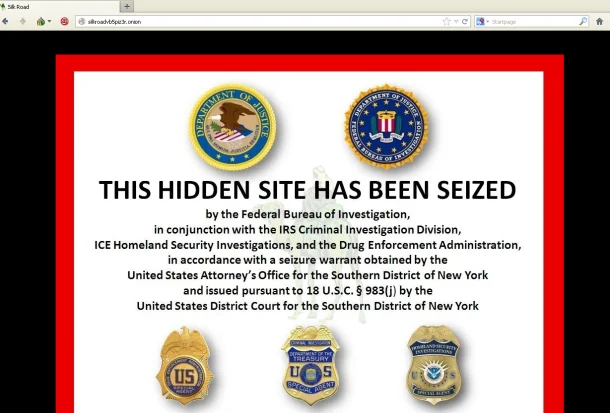
Dread Pirate Roberts was the pseudonym used by Ross William Ulbricht, the founder and operator of the dark web marketplace Silk Road1. The alias, borrowed from the 1987 film The Princess Bride, became widely known after the FBI arrested Ulbricht in October 2013 and shut the site down2. He was later convicted on all seven charges, including narcotics distribution, money laundering, and computer hacking8.
Overview
Dread Pirate Roberts, often shortened to DPR, was the handle Ross Ulbricht chose while running the Silk Road marketplace on the Tor network1. The pseudonym referenced the character from William Goldman's 1973 novel The Princess Bride and its 1987 film adaptation, a fictional pirate whose identity was passed from one person to the next5. Ulbricht picked the name to fit that mythology, suggesting the operator behind Silk Road could always be swapped out for a successor.
On the site, DPR acted as both administrator and figurehead, posting essays about free markets and drug policy while collecting commissions on every sale2. Silk Road took Bitcoin as its only payment method and hid user identities through Tor, which made the alias a recognizable figure in early crypto and cypherpunk communities1.
Gallery
Origin & Background
How It Spread
Frequently Asked Questions
References (9)
- 1
- 2
- 3
- 4
- 5
- 6
- 7
- 8
- 9