Dril
Published August 19, 2026
Dril is a pseudonymous Twitter account that posts absurdist, misspelled short-form comedy and is widely credited as the central figure of Weird Twitter. The account started on September 15, 2008 and grew into one of the most influential comedy voices online, eventually publishing a 420-page book of collected tweets in 20181.
Overview
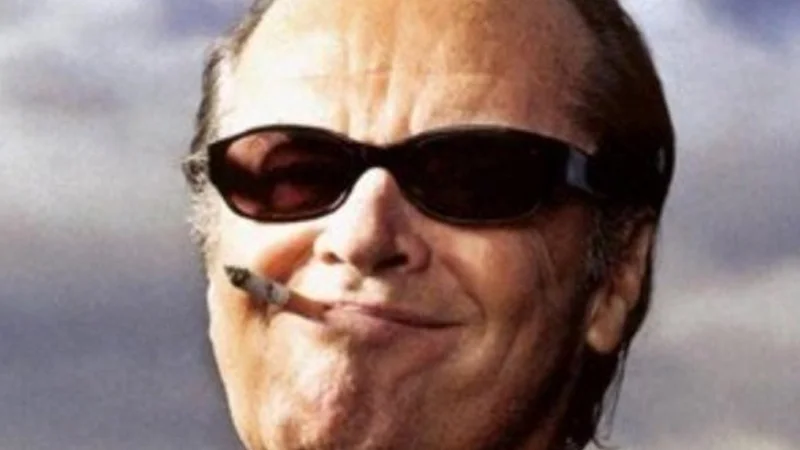
Dril is a pseudonymous Twitter account, also known as wint, that posts short bursts of misspelled, unpunctuated, seemingly nonsensical text that fans treat as high comedy. The profile is instantly identifiable: a blurry black-and-white crop of actor Jack Nicholson as the avatar, plus a link out to the personal site wint.co2. The tweets read like dispatches from a broken, confident, deeply online guy who is furious about everything and proud of nothing in particular.
The account is treated as the central figure of Weird Twitter, a loose group of users who write in sloppy, poetic, first-person voice for comedic effect3. Vice called Dril the "inscrutable hermit king of Weird Twitter" and credited him with coining the term "corncobbed" and opening up online talk about economics in his own bent way2. His voice bled into the way people joke on the internet, and specific lines from his feed still get quoted straight, unedited, years after the fact.
What makes Dril recognizable is not any single format but a texture: capital letters in the wrong places, quote marks around random nouns, weird brand loyalty, and an unshakable belief that the poster is right about a subject he clearly does not understand. That house style, mostly built inside a 140-character box, became the reference point for a whole generation of shitposters.
Gallery
Origin & Background
How It Spread
How to Use This Meme
There is no template to fill in with Dril, which is part of why the style is hard to imitate cleanly. People writing in a Dril voice typically use short, declarative sentences with intentionally bad capitalization and punctuation, random quote marks around ordinary nouns, and a narrator who is loudly confident about something small or wrong3. Common conventions include self-owns played straight, weirdly specific brand or product references, and a refusal to acknowledge context, so the tweet reads like the middle of a fight the reader was not invited to. Fans also just quote Dril lines directly into unrelated comment threads, which is how many of the tweets moved out of Twitter and into general online slang2.
Frequently Asked Questions
References (6)
- 1
- 2
- 3
- 4
- 5
- 6