Fake News 3
Published March 30, 2026
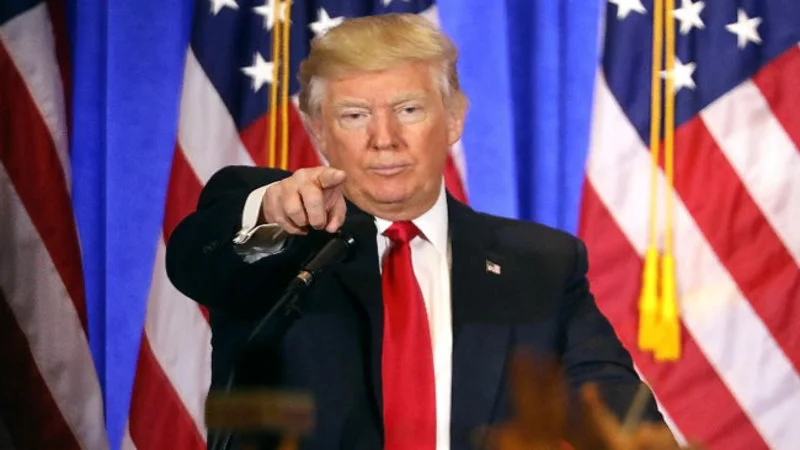
"Fake News" is a political catchphrase turned internet meme that blew up on January 11, 2017, when President-elect Donald Trump refused to take a question from CNN journalist Jim Acosta at his first post-election press conference, declaring "your organization is fake news." While the term originally described fabricated news stories on social media, Trump's weaponized use of it to dismiss unfavorable coverage made "Fake News" one of the most recognizable political memes of the 2010s, spawning Twitter parodies, image macros, and a dedicated Fake News Generator website.
Overview
"Fake News" started as a straightforward label for fabricated stories spread through social media during the 2016 U.S. election cycle4. After Trump co-opted the phrase as a rhetorical weapon against mainstream outlets, it split into two competing meanings1. As a meme, "Fake News" is used to sarcastically dismiss any criticism, unflattering information, or inconvenient truth, mimicking Trump's all-caps approach to rejecting unfavorable press.
The meme appears across formats: text posts, image macros, Trump GIF reactions, and parody headlines. The humor lies in applying Trump's high-stakes political deflection to absurdly trivial personal situations.
Gallery
Origin & Background
How It Spread
How to Use This Meme
"Fake News" works as a sarcastic dismissal of any unwelcome information. Common approaches:
All-caps text: Reply to any bad news, criticism, or unflattering photo with "FAKE NEWS" in full caps, echoing Trump's Twitter style.
Image macros: Overlay "FAKE NEWS" text on screenshots of things you want to humorously deny.
Reaction GIFs: Respond to uncomfortable truths with clips of Trump declaring "fake news" at the press conference.
Fake News Generator: Build parody headlines at thefakenewsgenerator.com with custom images and text for satirical purposes.
Cultural Impact
Full History
Fun Facts
A fabricated news story nearly caused a nuclear crisis between Pakistan and Israel in late 2016, after Pakistan's Defense Minister tweeted threats based on a report from AWD News, a known fake news site4.
The Russia dossier behind Trump's "Fake News" outburst was initially funded by Republican opponents of Trump during the primaries, then picked up by groups supporting Hillary Clinton2.
Kellyanne Conway denied the dossier allegations on *Late Night with Seth Meyers* the same night the story broke, adding that Trump was "not aware" of any intelligence briefing on the subject3.
Senator John McCain hand-delivered a full copy of the dossier to FBI Director James Comey on December 9, 2016, weeks before it became public2.
The Fake News Generator website faced criticism when some of its joke articles actually fooled people, despite being designed as a satirical literacy tool9.
Derivatives & Variations
Fake News Generator (thefakenewsgenerator.com):
A parody website registered in March 2018 that lets users create mock news articles with custom headlines, images, and fake outlet names. Created by Justin Hook as a media literacy tool[9].
PissGate:
The unverified Russia dossier that triggered Trump's original "fake news" outburst spawned its own sub-meme focused on the most salacious allegations in the document[3].
Frequently Asked Questions
References (10)
- 1
- 2
- 3
- 4Fake News - Know Your Memeencyclopedia
- 5Fake newsencyclopedia
- 6Fake News - Urban Dictionarydictionary
- 7
- 8
- 9
- 10