Feminism
Published August 20, 2026
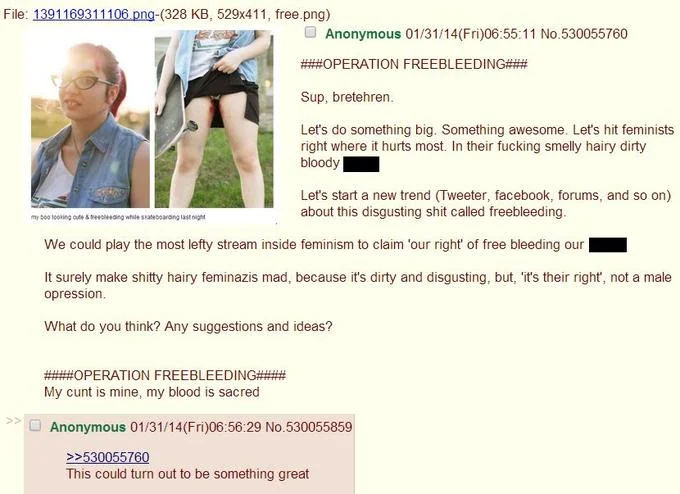
Feminism as an internet topic covers the online spread of feminist activism through 2000s blog networks, the memes born from gender debate on the web like the Bechdel Test, and the harassment campaigns and hoaxes that came out of the backlash.
Overview
Feminism as an internet subject covers both the online organizing of the feminist movement and the memes, hoaxes and flame wars that grew out of gender debate on the web. On the pro side, blogs like Jezebel, Feministing and The F Word built large audiences through the late 2000s1. On the reaction side, users on Body Building Forums, Reddit and the wider Manosphere pushed back with their own memes and campaigns2.
The topic overlaps with several standalone meme entries, including the Bechdel Test, the older "There are No Girls on the Internet" adage, and the online harassment of games critic Anita Sarkeesian7.
Gallery
Origin & Background
How It Spread
How to Use This Meme
"Feminism" is typically invoked online in two directions. Feminist users often deploy the term through shared image macros, quote posts and template jokes about media tropes, drawing on formats like the Bechdel Test to score films and games4. Counter-communities in the Manosphere commonly use the same word as a punchline in reaction memes and satirical posts, a pattern the Anne Gus hoax made unusually visible6.
Frequently Asked Questions
References (8)
- 1
- 2
- 3
- 4
- 5
- 6
- 7
- 8