Furries
Published August 20, 2026
Furries are members of the Furry Fandom, a subculture built around anthropomorphic animal characters expressed through fanart, fiction, roleplay and fursuit costumes. The fandom crystallized out of 1980s science fiction and comic conventions and grew into a global online community anchored by sites like Fur Affinity and large in-person gatherings like Anthrocon and Midwest FurFest.
Overview
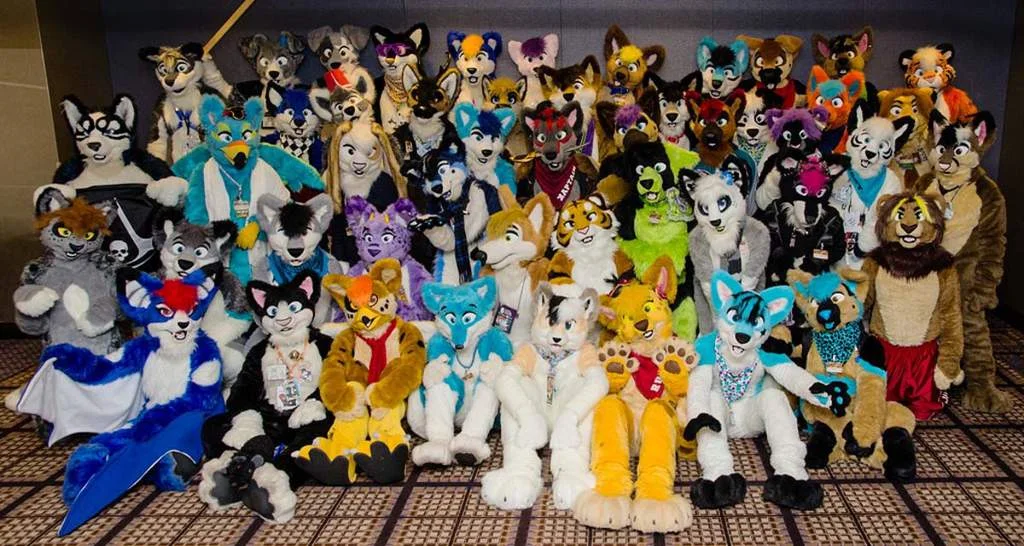
Furries are fans of anthropomorphic animals, meaning animal characters drawn with human personalities, body shapes and clothes. The label covers a wide range of interests inside a single subculture, from artists and writers to people who commission or wear full plush costumes called fursuits1. Many members build a personal animal alter-ego, a fursona, and use it as their social identity in the fandom6.
The fandom is not a monolith. Urban Dictionary breaks the community into overlapping groups such as fursuiters, roleplayers, writers, and fetish-oriented "furverts," alongside self-identified scalies for reptile fans and avians for bird fans6. That internal diversity is part of why Furries get misread by outsiders, since a costumed parade at a con and a private art commission are treated as the same thing by casual observers1.
At scale, Furries look like any other convention-driven hobby. Midwest FurFest, held in Rosemont, Illinois, grew from 388 attendees in 2000 to more than 17,000 by its recent editions and has raised over $900,000 for animal-related charities2. Anthrocon runs its own tiered membership and ticketing system for what is one of the flagship annual gatherings4. Around those events sits a huge online creative economy anchored by furry-specific art and news sites3.
Gallery
Origin & Background
How It Spread
How to Use This Meme
Getting involved as a Furry usually starts with picking a fursona, meaning a personal animal character with a chosen species, color scheme and personality, then commissioning or drawing art of it6. From there people typically join art platforms, roleplay in virtual worlds like Second Life or the furry-specific Furcadia, and eventually attend a convention such as Anthrocon or Midwest FurFest62. Fursuits are optional and not required to identify as a Furry, a point Urban Dictionary flags because many outsiders assume every Furry owns a costume6.
Frequently Asked Questions
References (7)
- 1
- 2
- 3
- 4
- 5
- 6
- 7