Nightcore
Published September 8, 2026
Nightcore refers to Eurodance and trance tracks sped up to 160-180 BPM with pitched-up vocals, a style two Norwegian teenagers invented for a 2001 school project. Fan uploads under the name grew into one of YouTube's largest music subcultures, defined by anime-girl thumbnails and a strict speed-and-pitch remix formula.
Overview
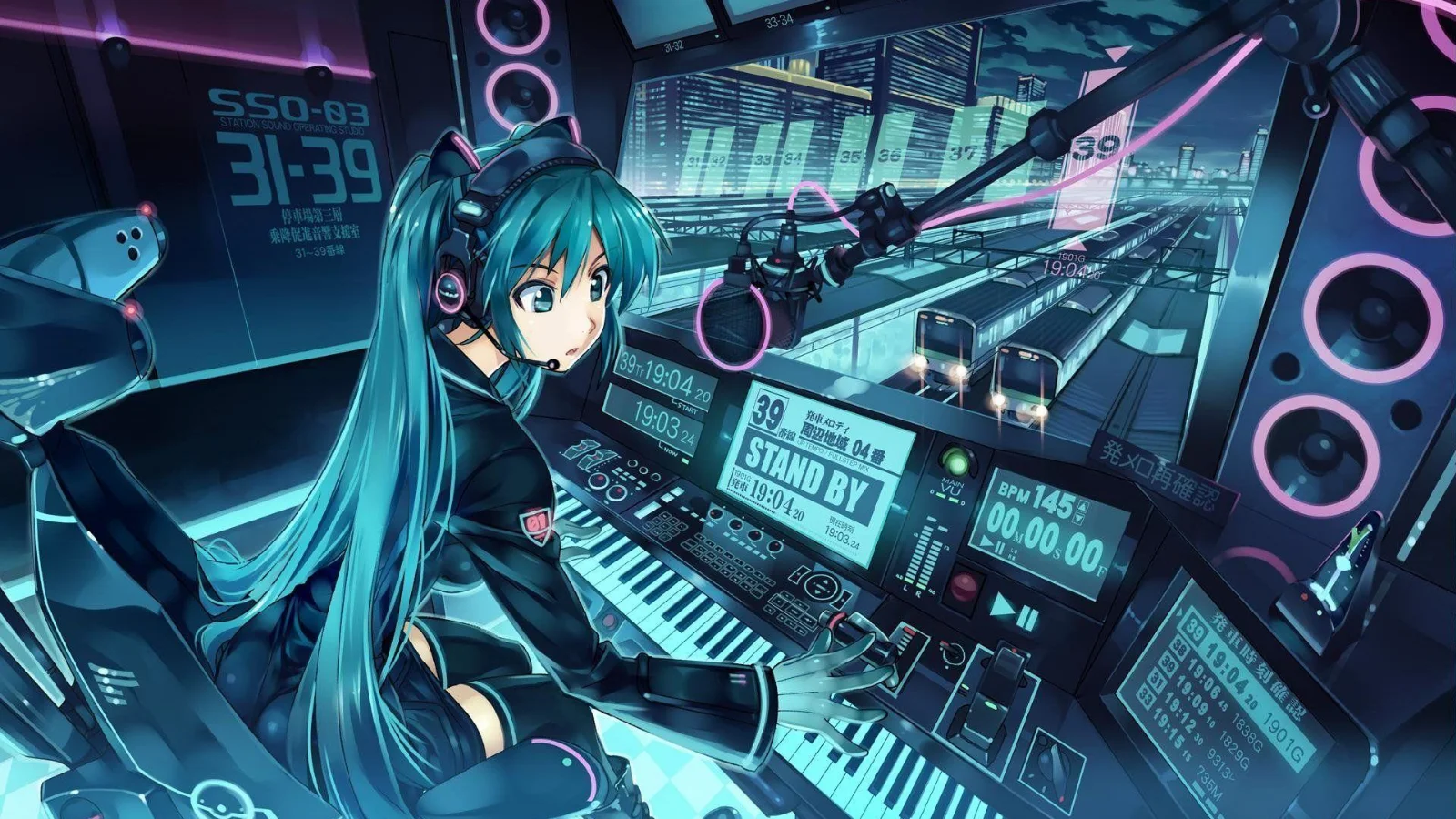
Nightcore edits follow a strict recipe. Producers take an existing Eurodance, trance, or pop song, raise the tempo to somewhere between 160 and 180 beats per minute, and shift the vocal pitch upward so the singer sounds cartoonishly high4. The visual half of the format is just as fixed. Most YouTube uploads pair the audio with a still image or slow slideshow of anime girls, often lifted from visual novels or shoujo series2. Urban Dictionary catalogues three subvariants fans use to describe the sound: 'Pure Nightcore' with extreme speed and chipmunk vocals, 'Bass Nightcore' that layers heavy low end under the sped-up top, and 'Trance Nightcore' that keeps runtimes long and repetitive2.
Debate over whether Nightcore counts as a music genre or just a remix process runs through fan forums. Discussion boards from the early 2010s argued that speeding up someone else's track hardly qualifies as making new music, while defenders pointed out that fans developed shared rules around tempo, artwork, and mood3. The label also drew criticism because many uploads strip credit from the original artist, turning YouTube channels into ad-revenue streams built on music the uploaders did not make2. That tension between fan love and the copyright question shaped how Nightcore spread across the platform.
Gallery
Origin & Background
How It Spread
How to Use This Meme
A typical Nightcore edit starts with an existing track, most commonly Eurodance, trance, happy hardcore, or a pop song with a strong 4/4 beat. Producers speed the track up by roughly 15 to 20 percent in a DAW like GarageBand, Audacity, or FL Studio, which raises the pitch of the vocals along with the tempo so the singer sounds much younger and higher1. Some editors add heavier bass or trance-style repetition on top, matching the 'Bass' or 'Trance' subvariants that fans use2. The finished audio is paired with an anime image or a short looping animation and uploaded to YouTube, usually with the artist name followed by '(Nightcore Remix)' in the title2. Crediting the original artist in the description is common but not universal, which is why the practice draws regular criticism from listeners who feel the uploaders are cashing in on other people's work2.
Frequently Asked Questions
References (7)
- 1
- 2
- 3
- 4
- 5
- 6
- 7