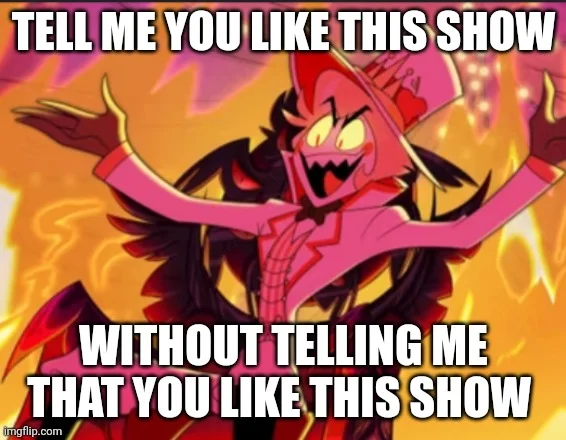
Tell Me Without Telling Me
Published March 10, 2026 · Updated March 17, 2026
Also known as: #TheTellMeChallenge · #TellMeWithoutTellingMe · Tell Me Challenge
"Tell Me Without Telling Me" is a social media challenge and meme format where users ask others to reveal something about themselves without directly stating it. The format originated on Twitter in May 2019 and went viral across TikTok and Twitter in late 2020, with challenge hashtags racking up millions of views. It became one of the defining participatory memes of the early 2020s, spawning countless variations from identity-based prompts to brand marketing campaigns.
Overview
The "Tell Me Without Telling Me" format works like a digital version of charades5. Someone poses a prompt in the structure "Tell me you're [X] without telling me you're [X]," and others respond with indirect clues, inside jokes, or stereotypical behaviors that communicate the answer without saying it outright1. The format thrives on shared cultural knowledge. If you know, you know. If you don't, the responses themselves teach you.
On Twitter, the game plays out in quote tweets and reply threads. On TikTok, creators film short videos showing rather than telling, often set to trending audio. Instagram users picked it up through Reels and remixing features2. The format is flexible enough to cover everything from regional identity ("Tell me you're from NYC without telling me you're from NYC") to pet ownership ("Tell me you have a Cocker Spaniel without telling me you have a Cocker Spaniel")3.
Gallery
Origin & Background
How It Spread
Platforms
How to Use This Meme
The basic template is straightforward. Pick something specific about a group, identity, or experience, then phrase it as "Tell me you're [X] without telling me you're [X]." The fun is in the responses.
On Twitter, you typically post the prompt and let replies and quote tweets do the work. The best prompts tap into shared experiences that have obvious but unstated markers. Regional identity works well because stereotypes are widely recognized. Fandom prompts work because fans share a common vocabulary of references.
On TikTok, creators usually film themselves demonstrating the answer. A "tell me you're a dog owner" video might show someone's couch covered in fur, or a freezer full of dog treats next to human food. The visual format rewards creativity and humor over text-based wit.
The format also works in reverse. Instead of asking others, some creators answer their own prompt in a single post: "Tell me you're from LA without telling me you're from LA" followed by a clip of them panicking over light rain6.
Cultural Impact
Fun Facts
The original 2019 tweet was specifically about K-pop biases, making the entire global trend a product of stan Twitter culture4.
The format went from 350 likes on the original tweet to 53,000 likes on the viral December 2020 version, a roughly 150x increase in engagement4.
Spin Master's party game version includes dice that restrict how players can communicate, adding physical constraints on top of the verbal ones1.
The trend inspired a philosophical blog post arguing that all language is essentially a game of "tell me without telling me," since words are just indirect representations of experience6.
Brand accounts adopted the format within 24 hours of the viral @fluffyfitz tweet, with Michelob posting their version the very next day4.
Derivatives & Variations
Brand engagement threads:
Corporate Twitter accounts adapted the format for marketing, with companies like Michelob creating their own prompts to drive follower interaction[4].
Spin Master party game:
A physical tabletop game based on the challenge, sold at Target, combining charades mechanics with the meme's indirect communication concept[1].
Snarky callout variation:
The format evolved from playful self-identification into a tool for indirect criticism, with prompts like "tell me you don't know anything about X" used to mock people's ignorance on topics[3].
Video mashup format:
TikTok and Instagram users created compilation-style responses using photo slideshows and video montages to answer prompts visually rather than through text[2].
Frequently Asked Questions
References (7)
- 1
- 2
- 3
- 4Tell Me Without Telling Me - Know Your Memeencyclopedia
- 5Call Me by Your Name (film)encyclopedia
- 6
- 7