The Last Supper Parodies
Published March 23, 2026
Also known as: Last Supper Remakes · Last Supper Recreations · Last Supper Homages
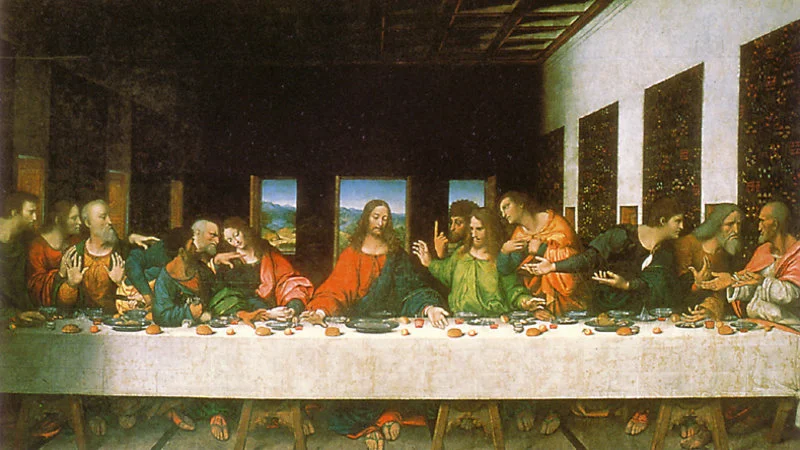
The Last Supper Parodies are photoshopped, redrawn, or staged recreations of Leonardo da Vinci's famous 1495-1498 mural depicting Jesus Christ's final meal with his twelve disciples. One of the most parodied artworks in history, the composition's iconic one-sided table arrangement has been recreated across film, television, advertising, fan art, and internet memes since at least the 1970s. The format surged online in the late 2000s as fan communities began cataloging parodies featuring characters from franchises like *Star Wars*, *The Simpsons*, and superhero comics, and it became a global flashpoint again in 2024 when a tableau at the Paris Olympics opening ceremony sparked fierce debate over artistic freedom and religious sensitivity.
Overview
The Last Supper Parodies follow a simple visual formula: take da Vinci's composition of thirteen figures seated along one side of a long table, with a central figure in the "Jesus" position, and swap in characters from pop culture, politics, or any other group. The format works because the original painting is instantly recognizable even in heavily modified form. The central figure typically represents a leader, savior figure, or ironic focal point, while the "Judas" position (fourth from the left, leaning away or reaching for something) often goes to a traitor or antagonist within the group1.
Fan-made versions range from detailed digital paintings to quick Photoshop composites. Professional versions appear in promotional photography for TV shows, movie posters, album covers, and advertising campaigns2. The composition has been recreated with superheroes, cartoon characters, breakfast cereal mascots, video game sprites, fast food icons, and real celebrities8.
Gallery
Origin & Background
How It Spread
How to Use This Meme
The basic template is straightforward:
Choose your cast. Pick a group of characters, celebrities, or figures from a specific franchise, fandom, or cultural context. You need at least a central "Jesus" figure and ideally twelve others, though many parodies use fewer.
Assign positions deliberately. The center seat typically goes to the group's leader or most important figure. The "Judas" position (fourth from left, traditionally reaching across the table or leaning away) usually goes to a traitor, villain, or outsider. The "St. John" position (immediately to Jesus's right, often leaning or reclining) goes to a close companion or beloved figure.
Match the composition. All figures sit or stand on one side of a long table, facing the viewer. Three windows or arches in the background are common. Food and drink on the table can add thematic detail.
Execute the parody. Methods range from digital illustration and Photoshop composites to staged photography and even physical recreations with cosplay or action figures.
Cultural Impact
Full History
Fun Facts
Andy Warhol mentioned his *Last Supper* show only twice in his extensive diaries, both times briefly, despite the Guggenheim later calling it "crucially important to his life and work"4.
The CulturePopped blog's 2007 compilation inspired an ongoing comment section debate about which Star Wars character should properly occupy the Judas position, with fans split between Han Solo, Lando Calrissian, and Boba Fett3.
Annie Leibovitz's *Sopranos* photo cleverly divided Tony's two "families" (biological and criminal) on opposite sides, using the painting's structure as a metaphor for his double life1.
The 2024 Paris Olympics controversy involved a painting most people had never heard of: Jan van Bijlert's *The Feast of the Gods* (c. 1635-1640), which the ceremony's director cited as the actual inspiration7.
Frederick Hartt and other art historians credit *The Last Supper* as the specific painting that launched the High Renaissance, making it not just a religious icon but one of the most historically significant works in Western art9.
Derivatives & Variations
TV promotional photos:
*Battlestar Galactica*, *Lost*, *House M.D.*, and *The Sopranos* all used Last Supper arrangements for season or series promotions[1][2].
Animated series parodies:
*The Simpsons*, *South Park*, and *That '70s Show* staged in-episode recreations with their casts[1][2].
Superhero versions:
Fan-made parodies featuring the Justice League, X-Men, and Avengers are among the most popular, with ongoing fan debates about proper Judas placement[3].
Video game recreations:
*Super Smash Brothers*, Nintendo character, and various gaming franchise versions circulated widely on DeviantArt and fan forums[8].
Fast food and brand parodies:
Ron English's bloated Ronald McDonald for *Super Size Me* and various cereal mascot versions[1][8].
Warhol's *Last Supper* series:
Over 100 works incorporating pop imagery and commercial logos, exhibited at the Guggenheim[4].
Star Wars parody:
Artist Eric Deschamps created a version for Giant Magazine, later transformed by Avinash Arora into a photomosaic using film screenshots[1].
Frequently Asked Questions
References (25)
- 1
- 2
- 3
- 4The Last Supper Parodies - Know Your Memeencyclopedia
- 5The Feast of the Gods (van Bijlert)encyclopedia
- 6Last Supperencyclopedia
- 7Last Supper in Christian artencyclopedia
- 8High Renaissanceencyclopedia
- 9The Da Vinci Code (film)encyclopedia
- 10The Da Vinci Codeencyclopedia
- 11Annie Leibovitzencyclopedia
- 12The Da Vinci Code (film) - Wikipediaencyclopedia
- 13Andy Warhol - Wikipediaencyclopedia
- 14Holy Grail - Wikipediaencyclopedia
- 15The Sopranos - Wikipediaencyclopedia
- 16
- 17
- 18
- 19
- 20
- 21
- 22
- 23
- 24
- 25