War Propaganda Parodies
Published March 31, 2026
Also known as: Propaganda Poster Parodies · Propaganda Poster Edits
War Propaganda Parodies are internet spoofs of government-produced propaganda posters from World War I and World War II. Classic recruitment images like Lord Kitchener's 1914 "Wants You" poster1 and James Montgomery Flagg's 1917 Uncle Sam "I Want YOU" poster2 have been digitally remixed for comedy since the early 2000s, making the propaganda poster one of the internet's most durable and widely recognized meme formats.
Overview
War propaganda parodies take the bold visual style of 20th-century government posters and swap wartime messaging with jokes, political commentary, or absurdist humor. The originals were engineered for maximum emotional punch: commanding figures, stark color palettes, direct eye contact, and short slogans. Those same qualities make them natural meme templates, instantly readable and simple to edit with even basic image tools.
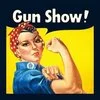
The most commonly remixed originals include Britain's 1914 "Lord Kitchener Wants You" recruitment poster1, the 1917 American "I Want YOU" Uncle Sam poster2, WWII-era Rosie the Riveter imagery5, and the 1939 British "Keep Calm and Carry On" poster4. Parodies range from quick text swaps to elaborate digital compositions placing modern characters and situations into the classic propaganda framework. A pointing finger that once demanded military enlistment now demands you do the dishes or join a Discord server.
Gallery
Origin & Background
How It Spread
How to Use This Meme
War propaganda parodies typically follow one of several common approaches:
Text swap: Take a recognizable propaganda poster and replace the slogan. The "Keep Calm and [X]" format is the simplest and most popular version.
Subject swap: Replace the original figure (Uncle Sam, Kitchener, Rosie) with a different character while keeping the composition. Pop culture figures, pets, and original drawings are common choices.
Full original: Create a poster from scratch using the propaganda aesthetic: bold flat colors, direct eye contact, pointing gestures, and commanding slogans with entirely new content.
Political remix: Apply propaganda visual techniques to modern political figures or causes, as Fairey did with the Obama "Hope" poster.
Cultural Impact
Fun Facts
The original "Keep Calm and Carry On" campaign was a flop. Mass Observation analysis found public response was "overwhelmingly negative," with some reading the message as implying common people would suffer for the benefit of the upper classes4.
Lord Kitchener's 1914 poster never printed his name anywhere. He was so visually recognizable that the pointing figure alone identified him, making it possibly one of the earliest successful celebrity endorsements in advertising1.
James Montgomery Flagg's Uncle Sam poster was so iconic that German intelligence codenamed the United States "Samland" during WWII2.
Firas Alkhateeb, who created the Obama "Joker" image at age 20, later commented: "To accuse [Obama] of being a socialist is really... immature"7.
Valve's TF2 Propaganda Contest featured a prize for "Most Inevitable Incorporation of Urine," awarded to a user named Christian8.
Derivatives & Variations
"Keep Calm and [X]":
The most commercially exploited propaganda parody format. After the original 1939 poster's rediscovery in 2000, private companies produced endless variations on mugs, shirts, and decor[4].
Obama "Hope" parodies:
Fairey's 2008 campaign poster spawned thousands of user-generated versions via Pastiche and similar tools. Anti-Obama edits replaced "Hope" with "Nope" or "Hype," while pop culture fans applied the style to fictional characters[6].
Obama "Joker" poster:
Alkhateeb's January 2009 Photoshop exercise, later captioned "socialism" by an unknown editor, was widely adopted by Tea Party protesters and Obama critics[7].
TF2 Propaganda Contest entries:
Hundreds of community-created Team Fortress 2 propaganda posters produced for Valve's 2009 WAR! Update, many closely mimicking WWI and WWII visual styles[8].
Soviet aesthetic edits:
Parodies using the constructivist visual style of communist propaganda, typically applied to mundane modern subjects like office politics or gaming[10].
Frequently Asked Questions
References (11)
- 1
- 2
- 3War Propaganda Parodies - Know Your Memeencyclopedia
- 4Downfall (2004 film)encyclopedia
- 5Uncle Samencyclopedia
- 6Lord Kitchener Wants Youencyclopedia
- 7Keep Calm and Carry Onencyclopedia
- 8Rosie the Riveterencyclopedia
- 9Communist propagandaencyclopedia
- 10Barack Obama "Hope" poster - Wikipediaencyclopedia
- 11Barack Obama "Joker" poster - Wikipediaencyclopedia