Zelda Cd I
Published March 24, 2026
Also known as: CD-i Zelda · Zelda CDi
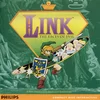
Zelda CD-i refers to the internet memes built around three The Legend of Zelda games released for the Philips CD-i console in the 1990s, especially the wildly animated cutscenes from *Link: The Faces of Evil* and *Zelda: The Wand of Gamelon*. Starting around 2006, the games' campy voice acting, erratic animation, and quotable dialogue became foundational material for the YouTube Poop video remix community1. Lines like "Mah boy" and characters like shopkeeper Morshu circulate as memes decades later, and the games' unlikely legacy inspired *Arzette: The Jewel of Faramore*, a 2024 indie spiritual successor3.
Overview
The memes come from three Zelda games published by Philips Interactive Media for their CD-i multimedia player. *Link: The Faces of Evil* and *Zelda: The Wand of Gamelon*, both developed by Animation Magic, came out in 19934. A third title, *Zelda's Adventure*, was made by a separate studio and released later1. None are considered part of the Zelda canon4.
What made these games legendary in meme culture is the full-motion video cutscenes. Animation Magic, a Russian-American studio, produced animation that went completely over the top1. Characters twitch and contort with bizarre energy. Link, normally a silent protagonist in the Zelda series, talks nonstop. King Harkinian gets extreme, grotesque close-ups. The voice acting ranges from wooden to unhinged. In the opening of *Faces of Evil*, Link stretches his arms while his eyeballs rotate a full 360 degrees: "Gee, it sure is boring around here." King Harkinian zooms in far too close to reply: "My boy, this peace is what all true warriors strive for!"1.
The gameplay is side-scrolling action loosely modeled on *Zelda II: The Adventure of Link*4. Players buy lamp oil, rope, and bombs from a shopkeeper named Morshu, who became a viral meme character decades later despite having only two speaking lines in the entire game1.
Gallery
Origin & Background
How It Spread
How to Use This Meme
Zelda CD-i memes typically take one of these forms:
Direct clip sharing: Posting cutscene clips as standalone comedy. The "Mah boy" exchange and Morshu's sales pitch are popular picks.
YouTube Poop remixes: Cutting and rearranging cutscene audio and video into absurdist new narratives. Sentence mixing, where syllables are spliced to create new dialogue, is the signature technique.
Reaction images: Screenshots of characters' exaggerated expressions, especially King Harkinian's extreme close-up and Morshu's hand gestures, used in comment threads and chats.
Quote drops: Using CD-i lines in gaming discussions. "My boy," "Squadala, we're off," and "I can't wait to bomb some Dodongos" are common choices.
Morshu edits: The shopkeeper's gestures and pitch get applied to other characters or contexts, forming their own meme subgenre.
Cultural Impact
Fun Facts
Dopply watched the CD-i cutscenes "hundreds if not thousands of times" during his remaster work and says he still isn't sick of them1.
Rob Dunlavey, one of the original painters from the 1993 games, returned over 30 years later to create art for *Arzette*3.
Dopply initially wanted to remaster *Hotel Mario* rather than the Zelda CD-i games, but switched after finding high-quality rips of the Zelda art assets online1.
Morshu's entire role in *Faces of Evil* consists of exactly two lines of dialogue, making his outsized meme fame wildly disproportionate to his screen time1.
*Zelda: The Wand of Gamelon* put Princess Zelda in the starring role as the playable character who rescues Link, reversing the series' usual formula4.
Derivatives & Variations
Morshu standalone meme:
The shopkeeper's "Lamp oil, rope, bombs?" pitch and hand gestures spawned their own edits and image macros, with a major popularity spike in the late 2010s[1].
King Harkinian / "Mah Boy" edits:
The King's grotesque close-up and catchphrase became an independent reaction meme used outside the broader CD-i context[1].
YouTube Poop genre influence:
The sentence-mixing and absurdist editing techniques refined on CD-i material shaped the wider YouTube Poop movement and early internet remix culture[1].
Fan Remasters (2020):
Dopply rebuilt both *Faces of Evil* and *Wand of Gamelon* in GameMaker with quality-of-life improvements, released briefly before being taken down[2].
Arzette: The Jewel of Faramore (2024):
A commercial indie platformer published by Limited Run Games, built as a spiritual successor with involvement from original CD-i artist Rob Dunlavey[3].
Frequently Asked Questions
References (12)
- 1
- 2
- 3
- 4
- 5The Legend of Zelda - Wikipediaencyclopedia
- 6The Legend of Zelda CD-i games - Wikipediaencyclopedia
- 7Animation Magic - Wikipediaencyclopedia
- 8Hotel Mario - Wikipediaencyclopedia
- 9The Legend of Zelda: The Wind Waker - Wikipediaencyclopedia
- 10
- 11
- 12