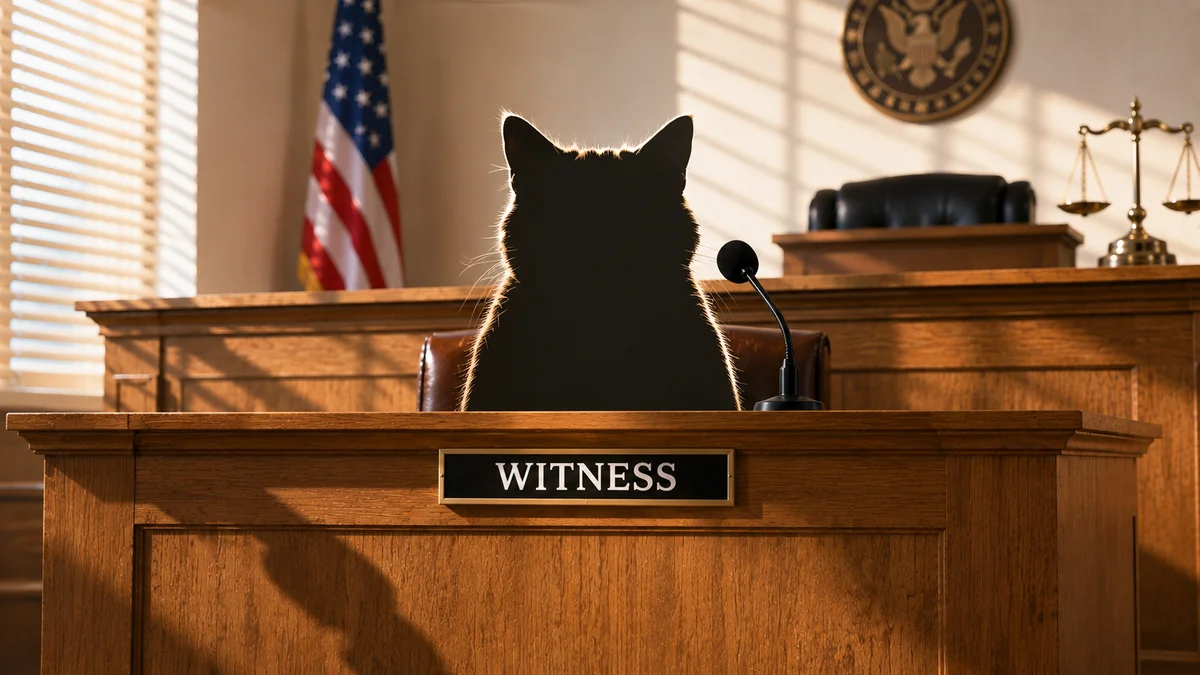
In 2019, a photograph of a cat with a permanently unimpressed expression won a court case worth more than most people make in a decade.
Not the cat's owner. Not a company built around the cat. The photograph itself, as intellectual property, went into a courtroom and came out the other side with a judgment attached, over $700,000, paid to the owners of Grumpy Cat because a coffee company used her image on products it never had permission to sell.
That's a strange sentence to have to write, and it's exactly why it's worth understanding. Most memes live and die entirely outside any legal system. Grumpy Cat is one of the very few that got dragged into one, and won.
From a cat named Tardar Sauce to a courtroom exhibit
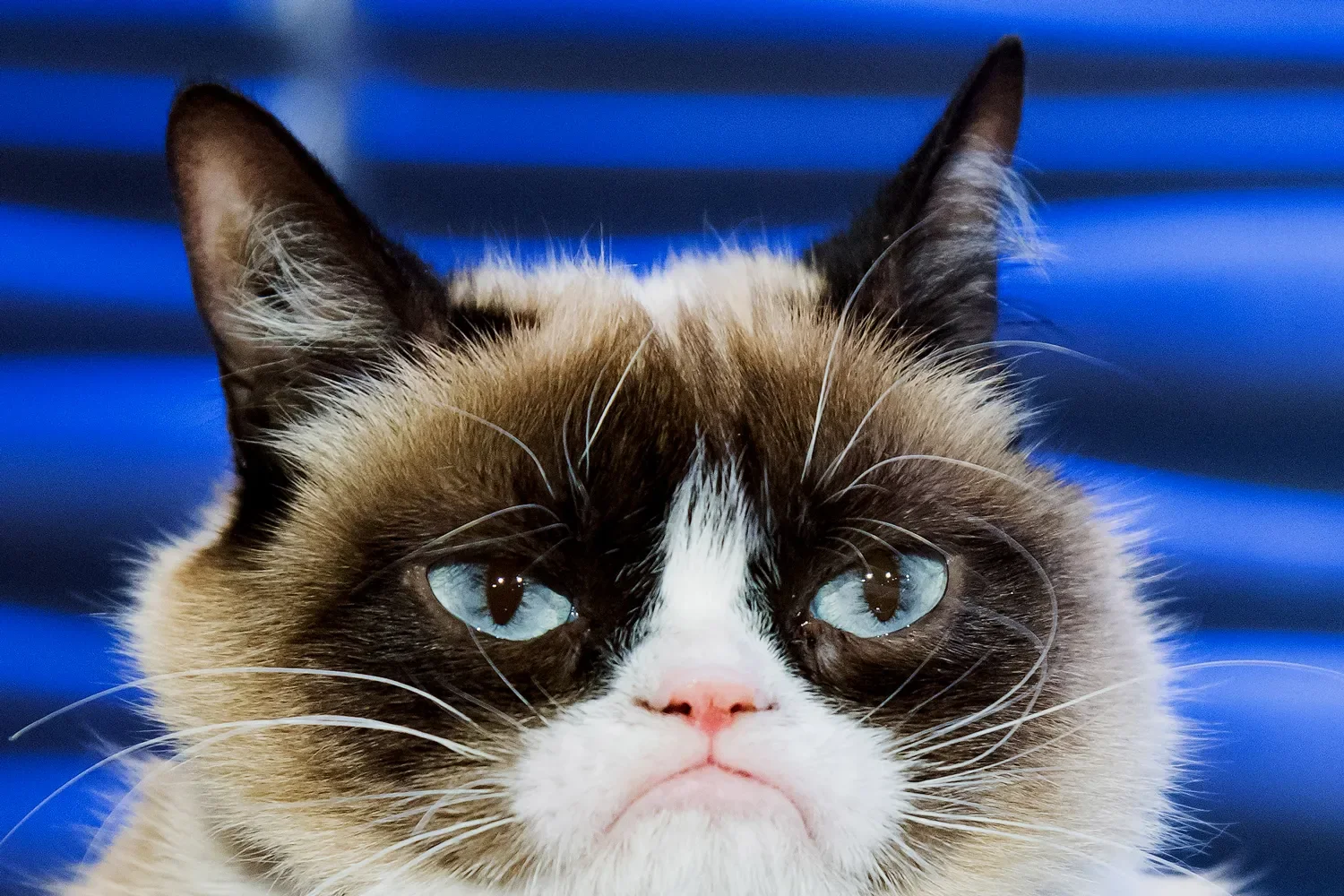
Grumpy Cat started the way most memes do, an ordinary photo of an ordinary cat, posted online in 2012 because she happened to have a permanent underbite that made her look perpetually annoyed. The internet did what the internet does with a good reaction face. Within weeks she was everywhere, captioned onto every conceivable complaint, disappointment, and Monday morning.
What made Grumpy Cat different from the thousands of other reaction-face memes competing for the same attention was what her owners did next. Rather than letting the image circulate purely as free-floating internet culture, they treated it like an actual brand, licensing deals, a book, a movie, official merchandise. Grumpy Cat became one of the first, and most successful, examples of turning a meme into a genuine commercial property with defined legal ownership.
That decision is the entire reason the lawsuit was even possible.
When a company assumes a license covers more than it does
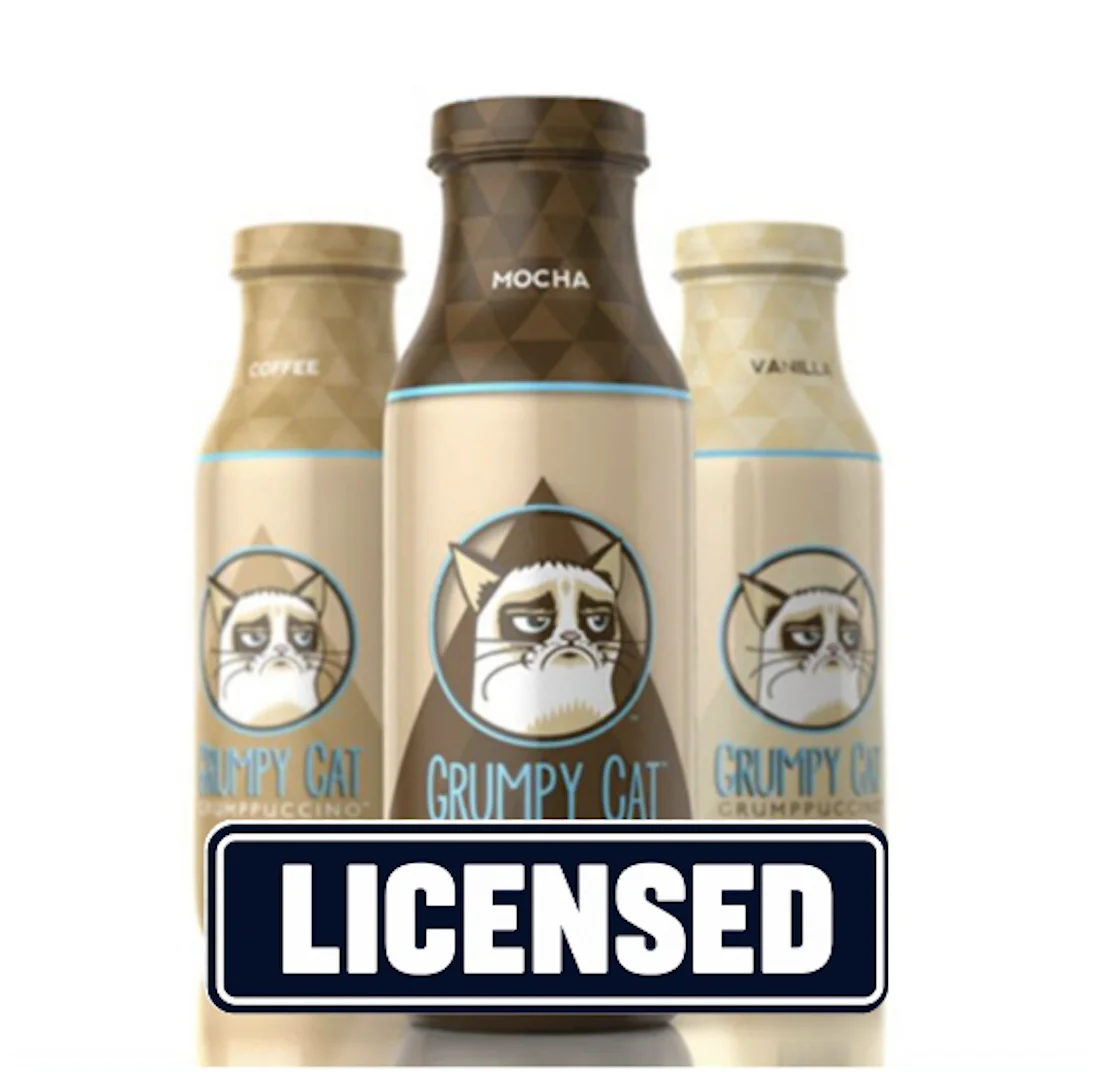
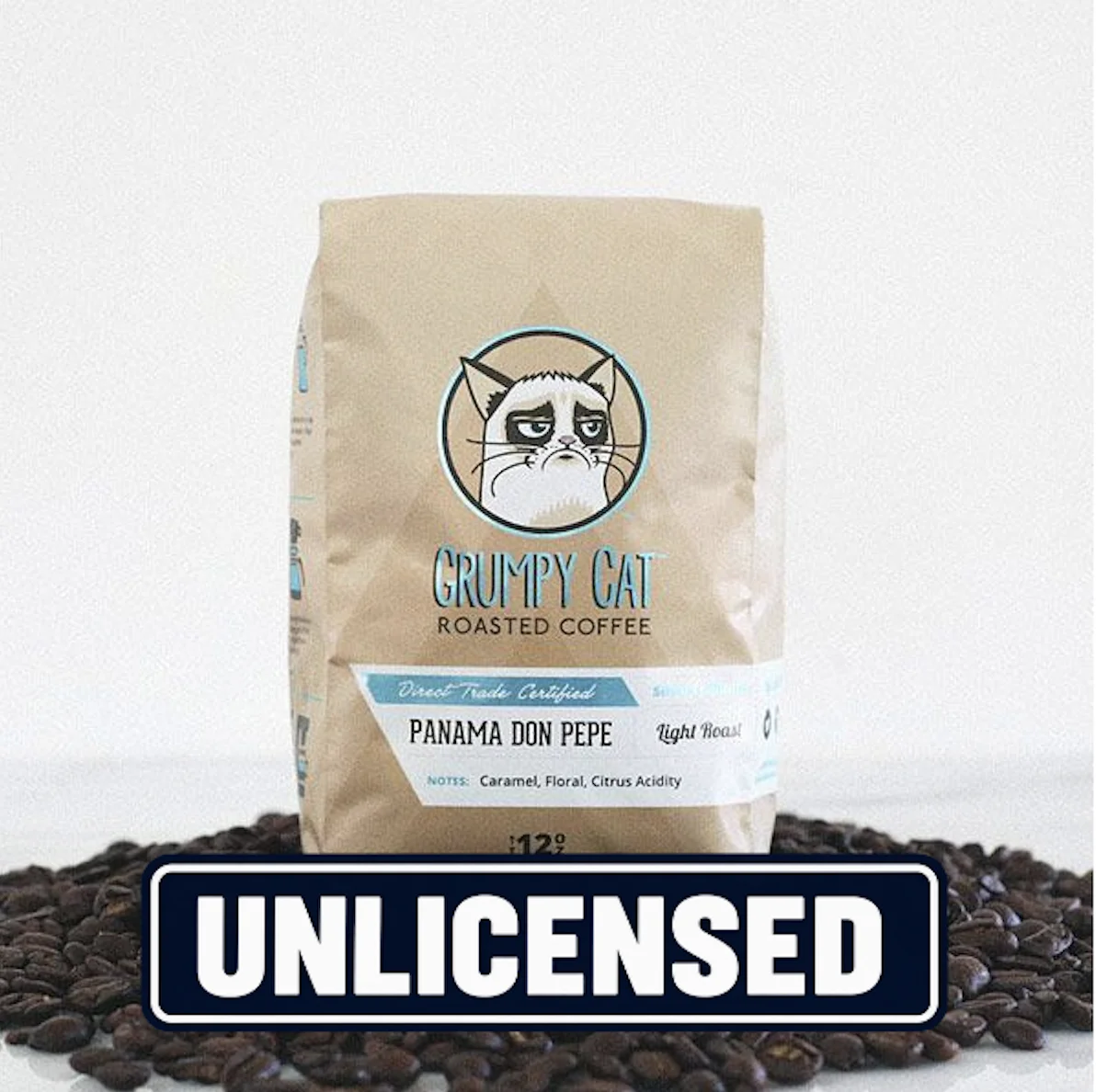
In 2015, a coffee company licensed the Grumpy Cat name and image for a specific product, an iced coffee drink called "Grumppuccino," under a defined agreement. The company then went beyond what it had actually licensed, selling Grumpy Cat-branded ground roast coffee and branded t-shirts that the agreement never covered.
This is the assumption that trips up almost everyone who tries to commercialize meme culture: that a license for one product quietly covers whatever else you'd like to sell. For the overwhelming majority of memes, there's no license at all to worry about overstepping. Nobody owns Distracted Boyfriend in any way that gets enforced. Nobody's suing over Surprised Pikachu.
Grumpy Cat was the exception, because her owners had done the unglamorous legal work of actually protecting the image as intellectual property, trademarks, copyright registration, a defined licensing structure, years before this dispute ever arose.
The verdict
A federal jury found in favor of Grumpy Cat's owners, awarding damages north of $700,000 for the unauthorized use. The number itself matters less than what it represents: a jury, operating under ordinary intellectual property law, treated an internet meme's image with exactly the same seriousness as it would treat any other piece of licensed commercial art.
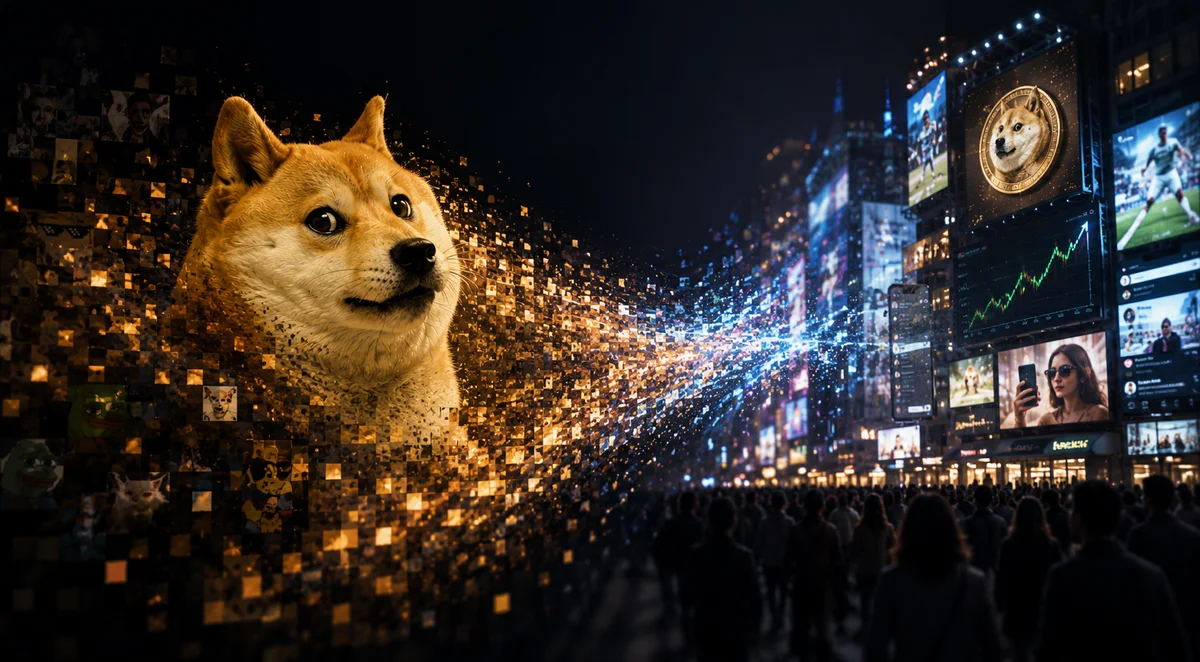
That's a genuinely unusual outcome. It didn't happen because Grumpy Cat was more valuable as a cultural object than Doge or Pepe or any other meme that never saw a courtroom. It happened because someone did the specific, deliberate work of making her legally defensible, and then a company gave them a clean, provable reason to defend her.
What this actually proves about memes and ownership
Most of internet culture operates on an unspoken assumption: memes are a commons. Nobody polices Grumpy Cat's contemporaries the way her estate polices her image, and that's not a flaw in how the internet works, it's the entire reason memes can spread as fast and as freely as they do. A meme that required licensing before every repost would never become a meme at all.
Grumpy Cat sits in an odd, narrow space between those two worlds. She spread exactly like every other meme, organically, freely, with no gatekeeping. But somewhere along the way, she also became one of the only memes with an actual legal fence around her, and the coffee company that stepped over that fence found out the hard way that the fence was real.
Most institutions that collide with meme culture, courts, corporations, classification systems, run into the same wall: memes resist being pinned down or owned. Grumpy Cat is the rare case where ownership won, cleanly, in a real courtroom, with a real number attached. It's less a story about a cat, and more a reminder that the line between "cultural commons" and "protected property" is thinner, and more deliberately built, than it looks.