Most memes are dead within a week. A format appears, gets used a few thousand times, saturates, and disappears so completely that finding it again a year later takes effort. That's the normal outcome. That's what almost all of them do.
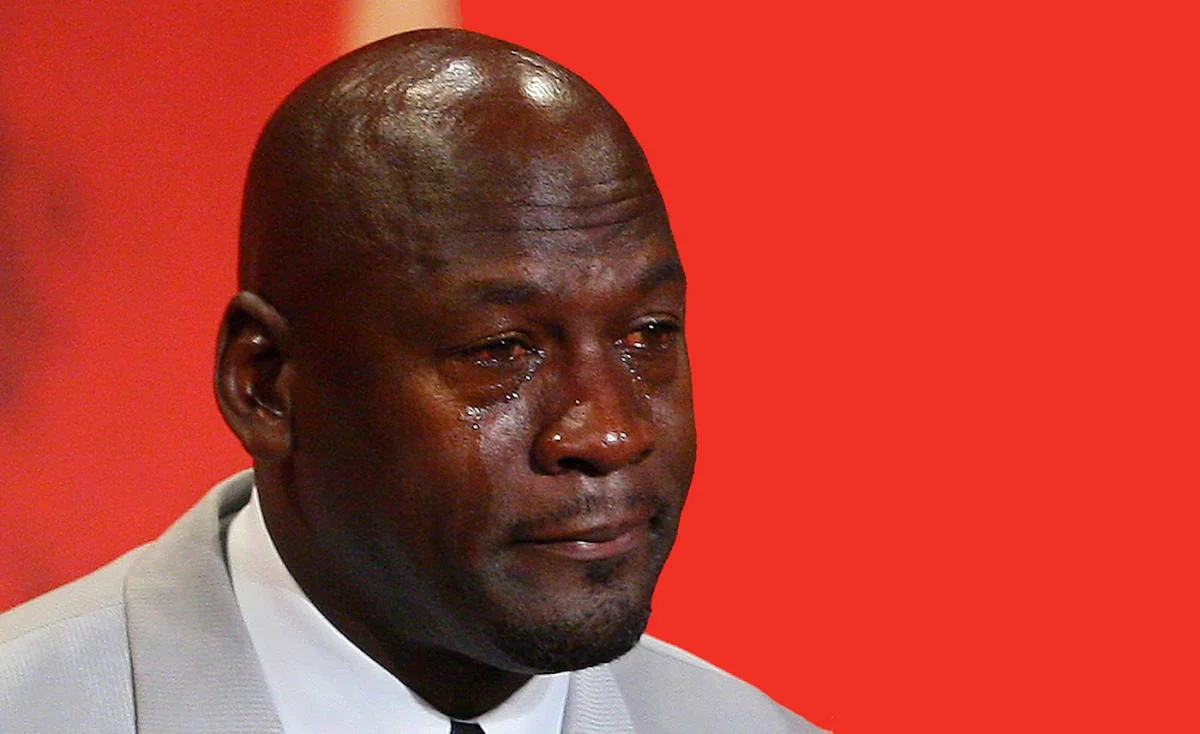
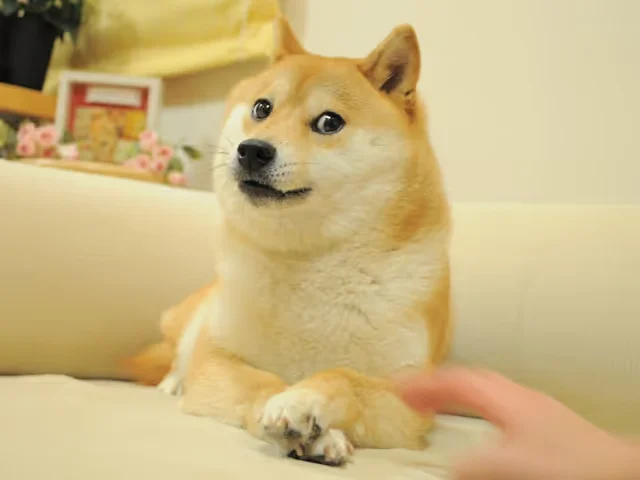
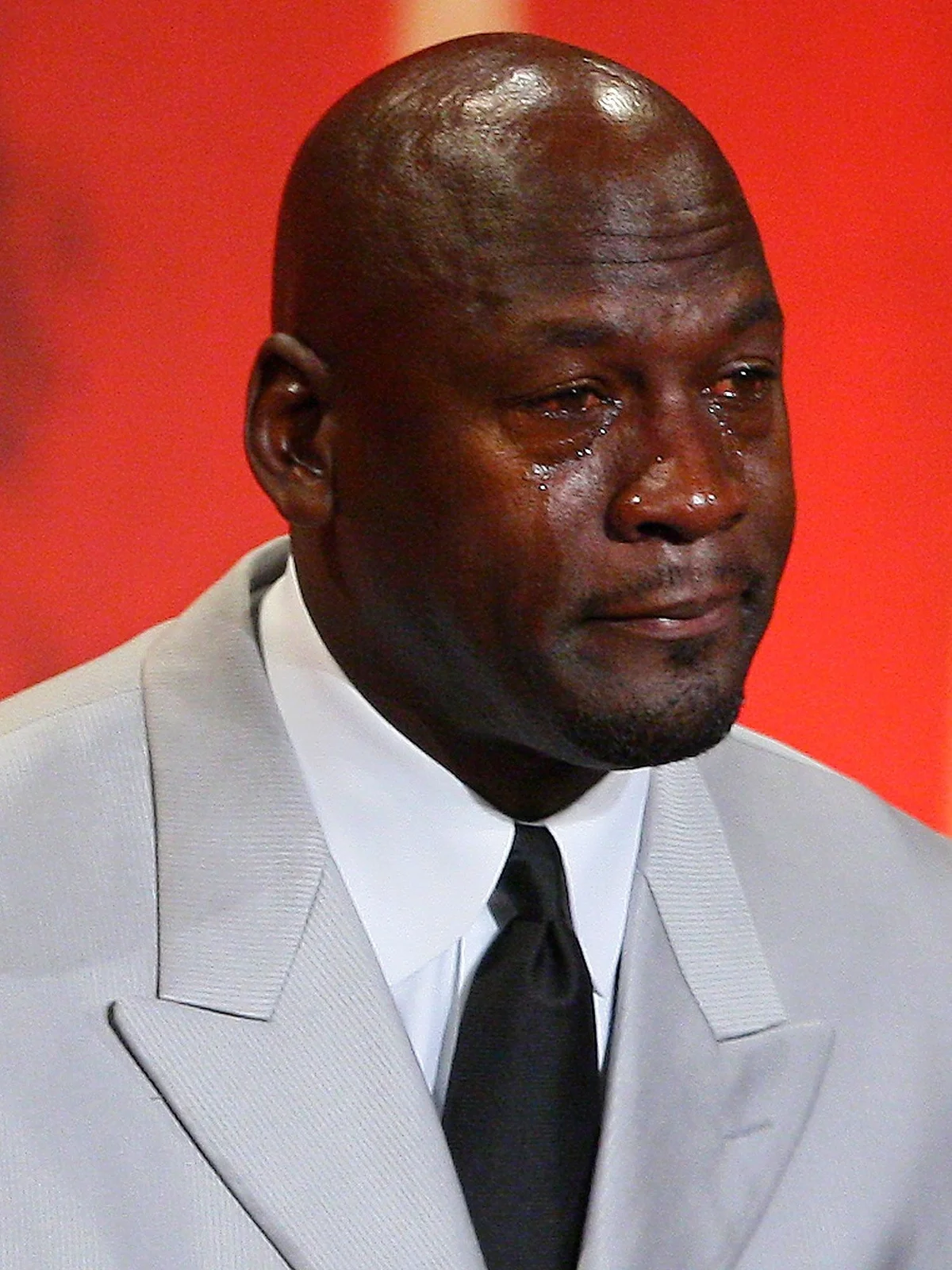
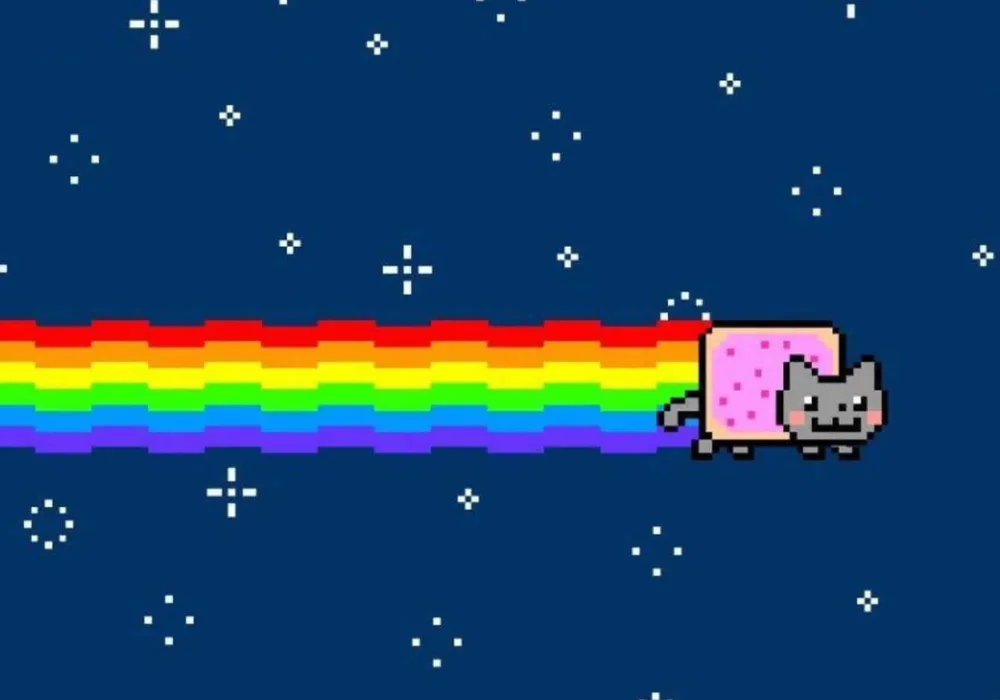
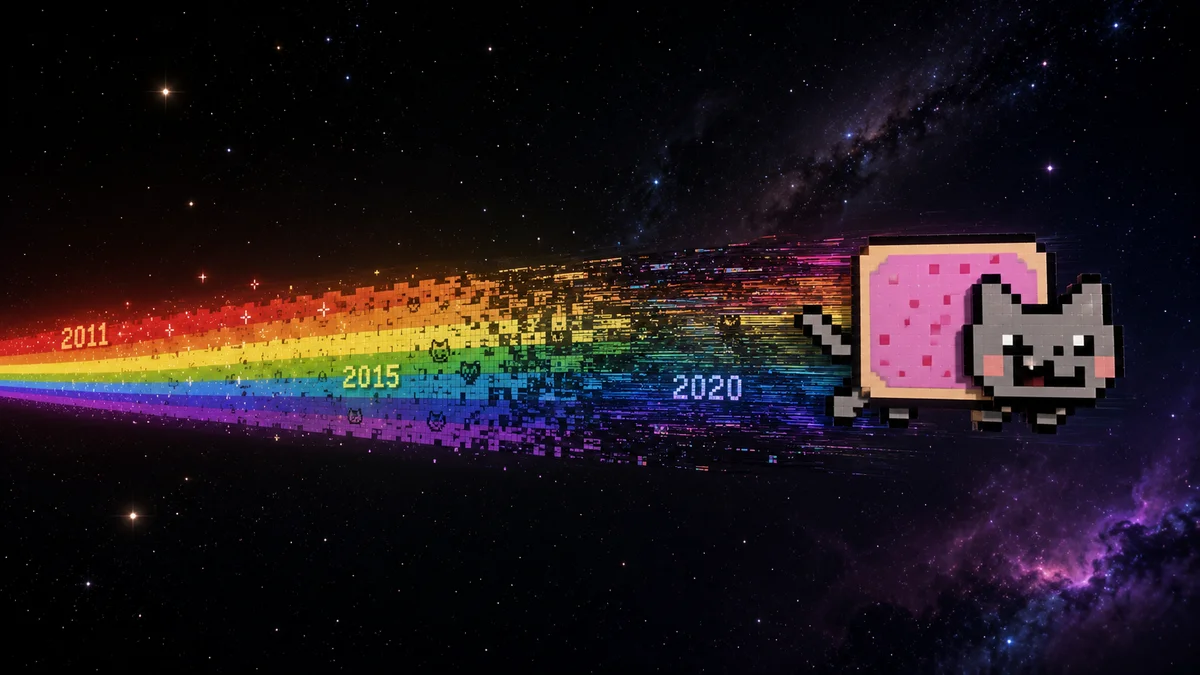
Then there are the exceptions. Memes that are ten, fifteen, twenty years old and still in active use, still being remixed, still legible to people who weren't online when they started. Nyan Cat is from 2011. Crying Jordan comes from a 2009 photograph. Doge started spreading in 2013 and is arguably more culturally embedded now than it was then.
The interesting question isn't which memes survive. It's what those survivors have in common that the thousands of dead formats didn't.
Survivors are tools, not jokes
The single biggest predictor of a meme's lifespan is whether it does a job.
A meme that's funny once is a joke. A meme that's useful is infrastructure. Crying Jordan isn't a joke about Michael Jordan anymore, it's a reusable way to express someone getting comprehensively beaten, applicable to sports, politics, arguments, anything. The image outlived the context it came from because it stopped needing that context to make sense.
Once a meme becomes the fastest way to express a specific feeling, it stops competing with other memes and starts competing with language. That's a much better position to be in. Jokes get old. Tools get picked up again next time you need them.
This is why so much of the meme graveyard is full of formats that were extremely funny and completely single-use. They peaked hard, said the one thing they could say, and had nowhere left to go.
Flexibility beats specificity
A meme that only works in one context dies when that context passes. A meme that can absorb new meanings keeps finding new reasons to exist.
Doge is the extreme case. It started as a photograph of a Shiba Inu with broken-English captions. It became a currency, then a symbol of a specific strain of internet optimism, then a name attached to a US government department. At no point did the original joke need to still be funny for the meme to keep mattering. It had become a container that different meanings could be poured into.
Compare that to a meme built entirely around a specific news event or a specific moment in a specific show. There's nowhere for it to go. When the moment passes, the meme has no second act.
Mutation is survival, not decay
There's an instinct to treat the "ruined" version of a meme, the ironic one, the deep-fried one, the one that's a joke about the meme rather than the meme itself, as evidence that it's dying. Usually it's the opposite.
A meme that can survive being mocked, distorted, used sincerely, used sarcastically, and used by people who have no idea where it came from is a meme that has escaped its origin. That's the point where it stops depending on the original community that made it. Formats that can't survive that transition tend to die at exactly the moment they get popular, because the influx of people using them "wrong" kills what made them work in the first place.
The memes still alive after a decade have almost all been through several rounds of this. They're rarely being used the way they were originally used. That's not a sign of decline. That's the mechanism.
Recognizability outlives relevance
The final factor is simpler and harder to engineer: some images are just extremely legible. A cat with a Pop-Tart body trailing a rainbow. A dog with a knowing sideways glance. A face frozen mid-emotion that says everything without a caption.
These read instantly, at any size, without context, to people who have never been told what they mean. That visual clarity buys enormous amounts of time. A meme can go dormant for years and get rediscovered, because nothing about it requires you to remember the original moment to understand it.
Most memes fail this test badly. They depend on a screenshot from something you needed to have watched, or a joke that requires knowing what happened that week. Once that knowledge fades, the image is just an image.
The short version
Memes that last tend to be useful rather than merely funny, flexible enough to hold meanings they weren't built for, durable enough to survive being remixed by people who don't respect them, and visually legible enough that context isn't required.
Almost nothing clears all four. That's why almost nothing survives, and why the handful that do end up outliving the internet they came from.