3D Printing
Published August 15, 2026
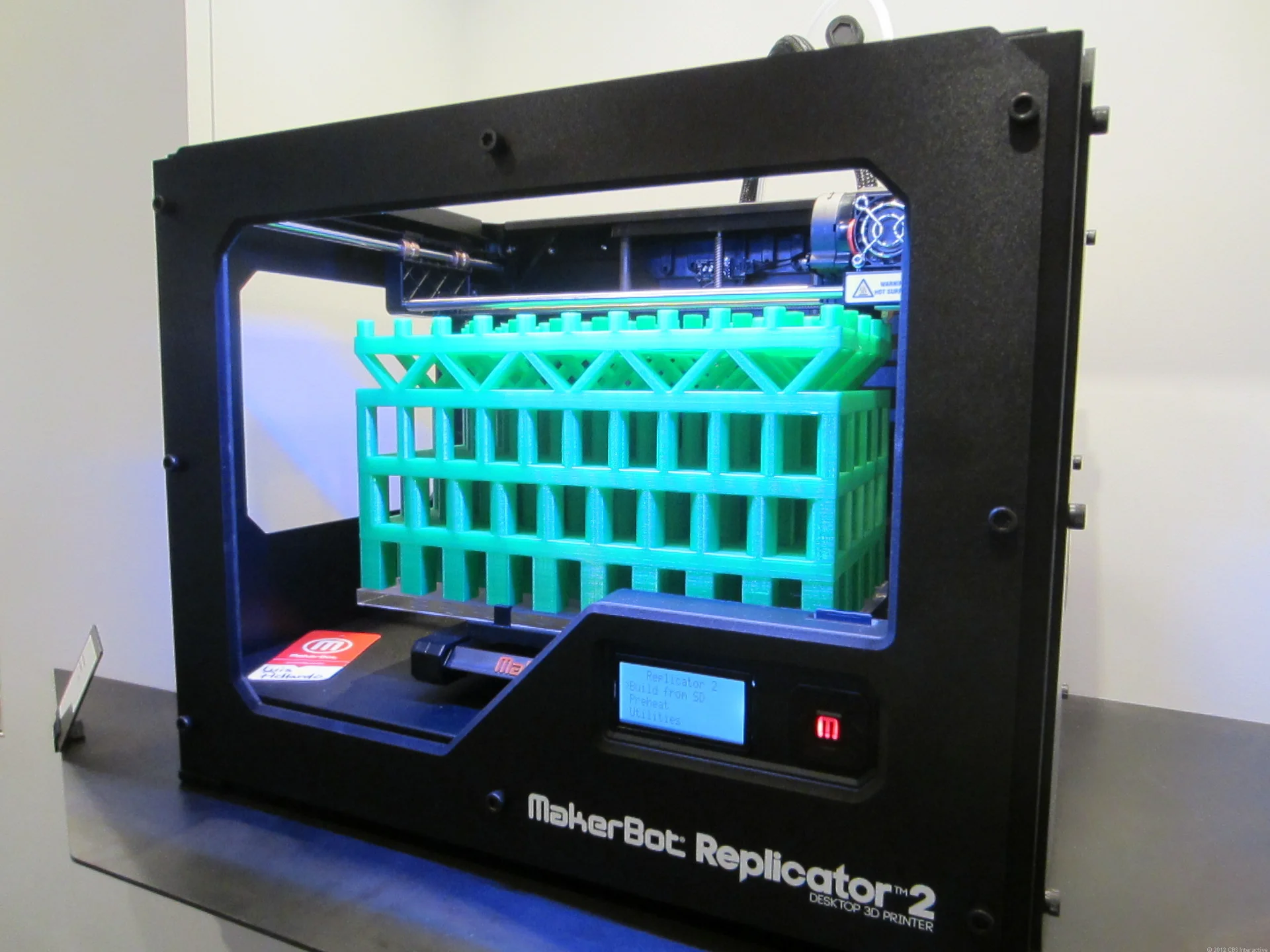
3D Printing is the practice of building physical objects layer by layer from digital models, starting with Chuck Hull's 1983 stereolithography patent and growing into a hobbyist internet movement built around shared design files and DIY desktop machines4. Online hubs like MakerBot's Thingiverse and Defense Distributed's DEFCAD pushed the technology out of industrial labs and into home workshops1. By 2013, printed handguns and printed human stem cells put 3D printing on front pages worldwide5.
Overview
3D Printing is the process of building three-dimensional physical objects from digital models by depositing material one thin layer at a time2. The category covers several distinct methods, including stereolithography (curing liquid resin with ultraviolet light), powder-bed printing with inkjet-style binder heads, and fused deposition of melted plastic filament2. Online, 3D printing grew its own subculture around file-sharing repositories where hobbyists trade printable designs, most visibly MakerBot's Thingiverse and Defense Distributed's DEFCAD4.
MIT's version of the process, called 3DP, spreads a thin layer of powder across a bed and uses inkjet-style print heads to selectively glue particles together into the desired shape2. Because different heads can dispense different binders or even different materials, that method can vary internal composition and surface texture within a single printed part2. The mix of open-source designs, cheap desktop kits, and free file libraries pulled 3D printing out of industrial labs and into garages, classrooms, and hackerspaces3.
Gallery
Origin & Background
How It Spread
How to Use This Meme
Users typically start with a 3D model file (STL and OBJ formats are common), slice it into printer instructions using dedicated software, then send it to a printer that lays down molten plastic, cured resin, or bonded powder layer by layer2. Community sites like Thingiverse host free design files that anyone with a printer can download and print at home4, while services like Shapeways will print and ship parts for people who don't own a machine3. Enthusiasts often start with pre-made designs before moving on to CAD tools to build their own models, and hobbyist forums built around the RepRap ethic often push new users toward open-hardware kits rather than sealed consumer boxes3.
Cultural Impact
Fun Facts
- The Liberator's only non-printed metal parts were a single nail (the firing pin) and a six-ounce steel block added purely so the gun would show up on airport metal detectors1
- The valve-based bio-printer used in the UK stem-cell experiment has a nozzle only 0.002 inches wide and drops bio-ink in nanoliter volumes5
- MakerBot's first product, the CupCake CNC, shipped as a $750 kit that buyers assembled themselves3
- Chuck Hull's 3D Systems, founded in 1985, was originally aimed strictly at industrial customers before hobbyist kit-makers reached consumers two decades later4
- MIT's 3DP process can print any material that can be milled to powder, including ceramics, metals, polymers, and composites2
Derivatives & Variations
MakerBot Thingiverse: open design repository launched November 2008, later winner of an Ars Electronica honorable mention in 2010[6]
Defense Distributed's DEFCAD: online archive for printable firearm blueprints, opened to host the Liberator files[1]
Shapeways: Dutch print-on-demand marketplace that opened February 2008 and prints user-uploaded designs on request[4]
RepRap: the open-source self-replicating printer project that seeded the DIY hardware ecosystem behind MakerBot and its imitators[4]
Frequently Asked Questions
References (7)
- 1
- 2
- 3
- 4
- 5
- 6
- 7