Black Men As A Whole Are Failing

2021Video trend / catchphrasedead

Also known as: We Up · Black Men Are Failing

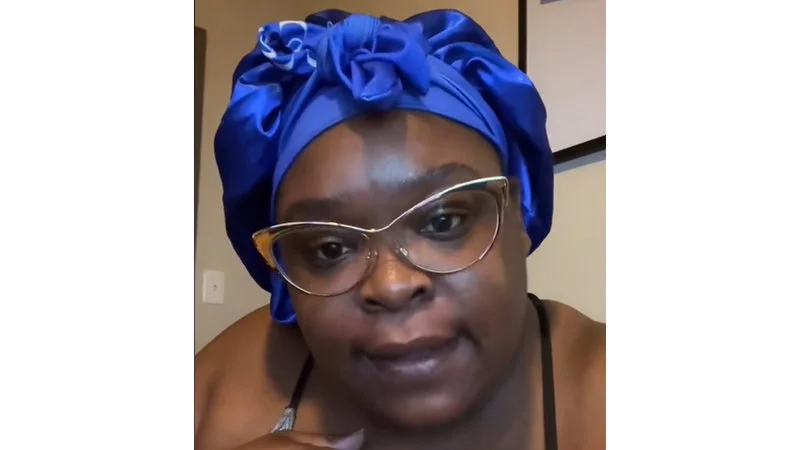
"Black Men As A Whole Are Failing" is a TikTok-born catchphrase and video trend that originated from a clip by TikToker @cocotheelawyer in October 2021, where she criticized Black men and said they were "failing" as a group1. The quote was quickly remixed with rapper Kankan's song "Wokeup" and turned into a trend where Black men posted videos of their accomplishments and successes as a rebuttal. By early 2022, the trend expanded into ironic territory when white TikTokers began making their own versions, jokingly claiming to be Black men thriving.

Overview

The trend starts with a clip from @cocotheelawyer's TikTok where she declares she's "divesting" from Black men, listing statistics and making broad claims about misogyny, absentee fatherhood, and a lack of accountability within the Black male community2. The key quote, "Black men as a whole are failing," became the hook of the trend. TikTokers would play the audio clip, then immediately pivot to a montage of their own achievements, wins, and lifestyle shots set to Kankan's "Wokeup," effectively turning an insult into a flex2.

The format is simple: the negative claim plays first, followed by an upbeat visual rebuttal. The contrast between the criticism and the confidence-filled response is what made the trend so shareable.

On October 24th, 2021, TikToker @cocotheelawyer posted a video announcing she was "divesting" from Black men2. She argued that Black men aren't held accountable for their behavior, citing statistics about absentee fatherhood and making broad claims about misogyny. Four days later, on October 28th, she posted a follow-up doubling down on her position, telling critics they were "acting too emotionally" and not considering the data2. It was in this second video that she said the phrase "Black men as a whole are failing." The follow-up video picked up over 122,000 views in five months, though comments and duets were turned off2.

Origin & Background

Platform
TikTok
Key People
@cocotheelawyer, @luhvroxy
Date
2021

On October 24th, 2021, TikToker @cocotheelawyer posted a video announcing she was "divesting" from Black men2. She argued that Black men aren't held accountable for their behavior, citing statistics about absentee fatherhood and making broad claims about misogyny. Four days later, on October 28th, she posted a follow-up doubling down on her position, telling critics they were "acting too emotionally" and not considering the data2. It was in this second video that she said the phrase "Black men as a whole are failing." The follow-up video picked up over 122,000 views in five months, though comments and duets were turned off2.

How It Spread

On November 8th, 2021, TikToker @luhvroxy posted the video that launched the trend. He remixed @cocotheelawyer's audio with Kankan's track "Wokeup" and followed it with photos of himself captioned "WE UP👺," showing off his successes2. The video pulled over 500,000 views in four months and the sound was used in more than 5,500 TikToks during that span2.

Other Black TikTokers quickly adopted the format. On November 11th, @cjgrabracksoutthebag posted his own version, racking up over 689,000 views in four months2. The next day, @vibewityou posted a slideshow of successful Black men set to the same audio, earning over 440,000 views2.

The trend took a new turn on March 1st, 2022, when @ethanjacksonx, a white TikToker, posted his own version showing clips of himself graduating and playing basketball with the caption "CAP we up." The video blew up to over 1.4 million views in three weeks2. When another user called out Ethan for using "we" in the context of a trend about Black men, @manlikeisaac responded with a video defending him, transitioning into a slideshow of photoshopped images of the two of them together. That response hit 5.6 million views in just four days2.

Ethan's viral entry opened the floodgates for ironic white participation. On March 4th, @thisisnotcookie, already known from the "Bro Tried To Sneak In Nebraska" trend, posted to the sound and picked up 215,000 views in three weeks2. By March 19th, TikTokers @johnmannion22 and @robbydevries had both posted similar post-ironic takes, each clearing 600,000 views within five days2.

How to Use This Meme

The format works best as a confidence flex in response to any kind of criticism or doubt. The key is the contrast: start with the negative claim, then immediately cut to evidence that contradicts it. The "Wokeup" beat drop marks the transition.

Cultural Impact

The trend turned a moment of online gender discourse into one of the more creative response formats on TikTok in late 2021 and early 2022. Rather than engaging with @cocotheelawyer's arguments on their own terms, the Black men who participated chose to respond with confidence and proof of success, flipping the narrative entirely2.

The ironic crossover phase, where white TikTokers adopted the format, added another layer. @manlikeisaac's defense of @ethanjacksonx, with its 5.6 million views, briefly became one of the bigger TikTok moments in March 2022 and showed how the trend's meaning could shift from genuine rebuttal to cross-racial comedy2.

Fun Facts

@cocotheelawyer turned off comments and duets on her original videos, but the audio still spread through screen recordings and remixes2

The sound inspired over 5,500 TikTok videos within its first four months2

@manlikeisaac's defense video (5.6 million views in four days) got more views than the original @cocotheelawyer video that started the whole trend2

The trend flipped what was intended as a serious social critique into one of TikTok's more popular flex formats of early 20222

Frequently Asked Questions