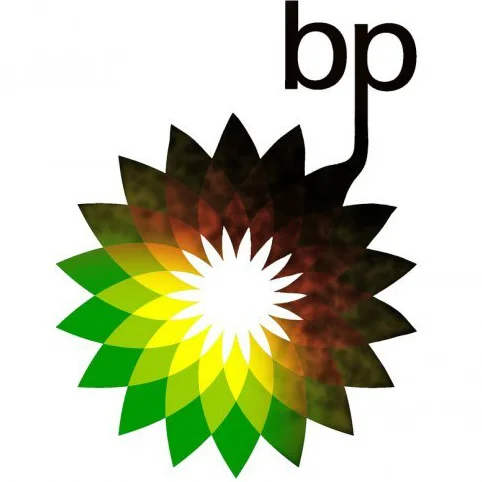
Bp Oil Spill
Published August 16, 2026
The BP Oil Spill, tied to the April 2010 Deepwater Horizon disaster, became an internet lightning rod thanks to the parody Twitter account @BPGlobalPR, which drew nearly 150,000 followers by mocking BP's real public-relations feed. Alongside the sarcastic tweets and #bpcares hashtag, image macros, comics, and Urban Dictionary slang turned the leak into one of 2010's defining online moments of corporate mockery.
Overview
The BP Oil Spill entered internet culture as both a real-world catastrophe and a running joke. On April 20, 2010, the Deepwater Horizon rig exploded in the Gulf of Mexico, and by the time BP sealed the well in September, roughly 205.8 million gallons of crude had poured into the ocean4. As BP's public-relations team put out carefully worded statements, users on Twitter and blogs turned the gap between corporate messaging and reality into fodder for sarcastic tweets, image macros, and comics4.
The most recognizable piece of the meme was @BPGlobalPR, a parody Twitter account that pretended to be BP's PR staff and posted increasingly bleak jokes about the disaster1. Its author, using the pseudonyms "Terry" and later "Leroy Stick," ran the account as a form of protest, arguing BP was flooding the internet with hollow talking points instead of hard answers2. Alongside the parody feed, Urban Dictionary entries reworked "BP Oil Spill" into slang for any giant mess, from a hallway vomit incident to bathroom disasters6.
Gallery
Origin & Background
How It Spread
How to Use This Meme
The BP Oil Spill meme had two common flavors. The first was straight parody in the @BPGlobalPR template: a tweet in the voice of a smug, out-of-touch corporate PR staffer, often tagged with #bpcares, treating a catastrophe as a minor image problem1. The second was slang usage, where "a BP oil spill" was used on Urban Dictionary and in casual conversation for any large, disgusting mess6.
Frequently Asked Questions
References (6)
- 1
- 2
- 3
- 4
- 5
- 6