Bronies
Published August 16, 2026
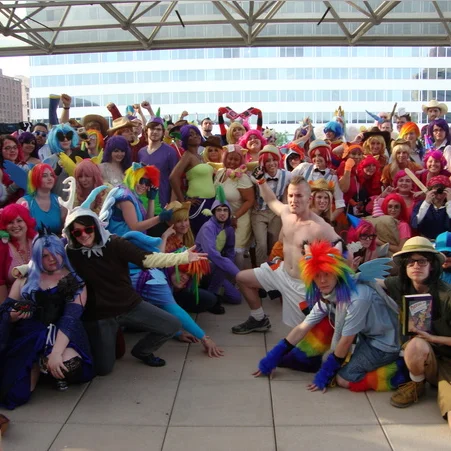
Bronies are teenage and adult male fans of the animated series My Little Pony: Friendship is Magic. The term was coined on 4chan in late 2010 right after the show's pilot aired, and the fandom grew into one of the most talked about cross-demographic subcultures of the early 2010s internet.
Overview
"Brony" is a slang label for teenage and adult male fans of the animated series My Little Pony: Friendship is Magic. The word smashes together "bro" and "pony," and it grew out of 4chan threads in late 2010 after the show's pilot aired on the Hub network5. What started as ironic curiosity about a girls' cartoon turned into one of the strangest cross demographic fandoms of the early 2010s web.
The show was rebooted in 2010 by Lauren Faust, known previously for Foster's Home for Imaginary Friends and The Powerpuff Girls, and it drew in a huge group of male fans often in their twenties who followed episodes with more devotion than the target audience of three to six year old girls1. Bronies built a sprawling online footprint with fan art, remix music, custom animations, wiki projects, and dedicated news sites. The scene is still one of the defining fandom stories of the Hub network era.
Public perception was split. Media coverage often painted bronies as socially awkward obsessives living in basements, and the fandom pushed back against those framings with organized PR efforts and image campaigns3. Even so, the community was large and varied enough that news outlets, academics, and the show's own producers eventually treated it as a serious pop culture story.
Gallery
Origin & Background
How It Spread
How to Use This Meme
"Brony" is a self identifier, typically used by male fans in their teens and twenties who watch My Little Pony: Friendship is Magic. Common conventions include picking a favorite pony from the mane six (Twilight Sparkle, Rainbow Dash, Applejack, Rarity, Pinkie Pie, or Fluttershy), making or trading fan art, joining remix music projects, and going to conventions like BronyCon. Fandom lingo often includes phrases like "20 percent cooler," a line composer Daniel Ingram referenced in interviews about scoring the show1. Female fans sometimes go by "pegasister," though many women in the scene just use brony too.
Cultural Impact
Frequently Asked Questions
References (7)
- 1
- 2
- 3
- 4
- 5
- 6
- 7