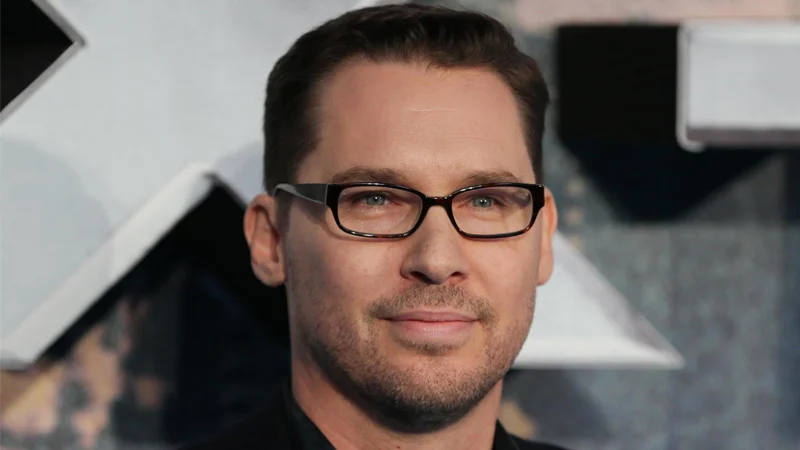
Bryan Singer Sexual Misconduct Allegations
Published August 16, 2026
Bryan Singer Sexual Misconduct Allegations refers to more than two decades of accusations against the X-Men and Bohemian Rhapsody director, in which multiple men said Singer sexually harassed, abused or raped them. The story hit peak online discussion in January 2019 after The Atlantic published a long investigation Esquire had killed, driving viral debate on Twitter, Reddit and film forums.
Overview
The Bryan Singer Sexual Misconduct Allegations are a running set of accusations that the X-Men and Bohemian Rhapsody director sexually harassed, assaulted or raped underage boys and young men, mostly during Hollywood parties in the late 1990s and 2000s1. Rumors circulated in gay Hollywood gossip circles for years before landing in mainstream press, with reporters describing a scene of scouts, drugs and alcohol at Singer's parties2. Singer denied the accusations throughout, at one point calling the reporting a homophobic smear3.
The story became a defining online conversation on January 23, 2019, when The Atlantic published a 12-month investigation by two former Esquire writers1. The piece drew on more than 50 sources and included new on-record accusers, and it was released weeks after Bohemian Rhapsody won two Golden Globes without any mention of Singer1. Within hours the article was ricocheting across Twitter, Reddit's r/movies and film-industry blogs, restarting an argument about how Hollywood had protected him for two decades4.
The allegations sit at the intersection of the post-Weinstein reckoning and the ugly institutional politics of a major studio franchise2. Because Bohemian Rhapsody was in awards contention when the exposé dropped, discussion online focused not just on Singer but on his cast, his studios and the outlets that spiked earlier versions of the story3.
Gallery
Origin & Background
How It Spread
How to Use This Meme
This is a news event and a running argument rather than a template. Online, the story is usually invoked as shorthand in three ways: as an example of an open Hollywood secret that took decades to reach print, as a comparison point in wider MeToo threads (often paired with Kevin Spacey and Harvey Weinstein), and as a case study in how a studio can keep promoting a director while allegations are still unresolved1. In practice, links to The Atlantic piece1 or the BuzzFeed investigation2 are dropped into threads about Bohemian Rhapsody, the X-Men franchise, or awards-season ethics whenever Singer's name comes up6.
Frequently Asked Questions
References (8)
- 1
- 2
- 3
- 4
- 5
- 6
- 7
- 8