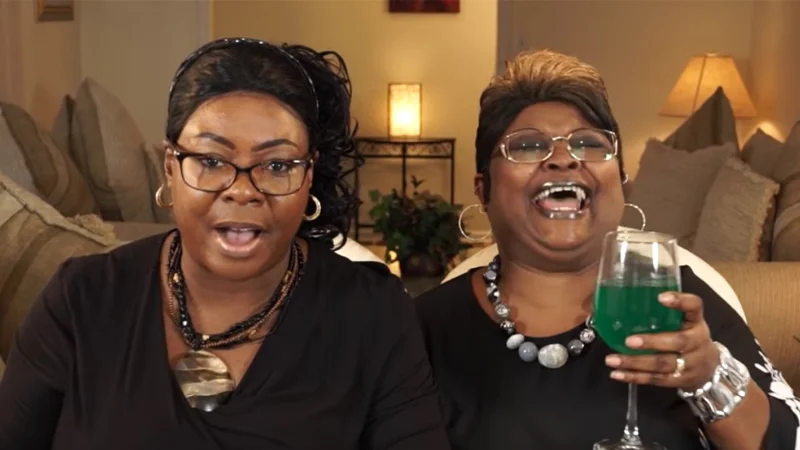
Diamond And Silk
Published August 17, 2026
Diamond and Silk are sisters Lynette Hardaway and Rochelle Richardson, whose YouTube vlogs backing Donald Trump made them into recognizable Black conservative commentators between 2015 and 2018. Their April 2018 Congressional testimony on alleged social media bias pushed the pair from YouTube into the center of a national argument about tech companies and conservative speech.
Overview
Diamond and Silk are the on-camera names of Lynette Hardaway and Rochelle Richardson, two sisters from North Carolina who built a following as Black conservative vloggers during the 2016 US presidential campaign1. They run a YouTube channel called The Viewers View, where they film themselves reacting to politics, cable news coverage, and their support for Donald Trump2. Their signature format is call-and-response commentary, with the two sisters finishing each other's sentences while riffing on the day's headlines.
The duo's name reached a much wider public when their complaints about tech censorship pulled them into Congress, making Diamond and Silk a shorthand in Republican messaging about alleged social media bias against conservative voices1.