Exploitables
Published August 12, 2026
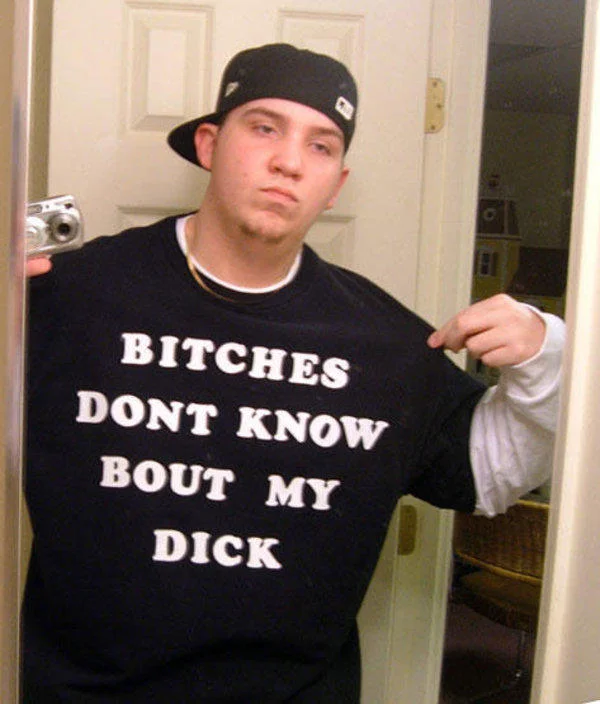
Exploitables are meme templates designed to be easily edited, allowing users to replace text, add labels, or manipulate elements to create new jokes. The format became a cornerstone of internet meme culture starting in 2006, with templates like Bitches Don't Know and later Distracted Boyfriend becoming some of the most recognizable memes online.
Overview
Exploitables are meme templates built for easy modification. The format typically involves a single image or comic panel that users can alter by replacing text, adding object labels, or repositioning elements to create entirely new jokes2. What makes exploitables distinct from other meme types is their low barrier to entry. Anyone with basic image editing skills using programs like MS Paint or Photoshop can create their own version2.
The exploitables format spans multiple sub-genres. Single-pane templates feature one image where users swap out text or labels. Multi-panel formats, often pulled from movies or webcomics, let creators write their own dialogue across several frames. Object labeling, which became especially popular in the late 2010s, involves assigning names to characters or objects in an image to recontextualize the scene2. Some of the most famous memes in internet history are exploitables, including Loss, Distracted Boyfriend, and Galaxy Brain2.
Gallery
Origin & Background
How It Spread
How to Use This Meme
Creating an exploitable meme typically involves downloading the base template image, then using image editing software to make modifications. For text replacement memes, users commonly use MS Paint, Photoshop, or free online tools to change the words on signs, shirts, or speech bubbles. Object labeling requires adding text boxes over characters or objects in the scene. Multi-panel formats usually involve clearing the original dialogue and writing new text in the speech bubbles or adding captions below each frame. The key is maintaining the original image's visual structure while changing the content to deliver a new punchline.