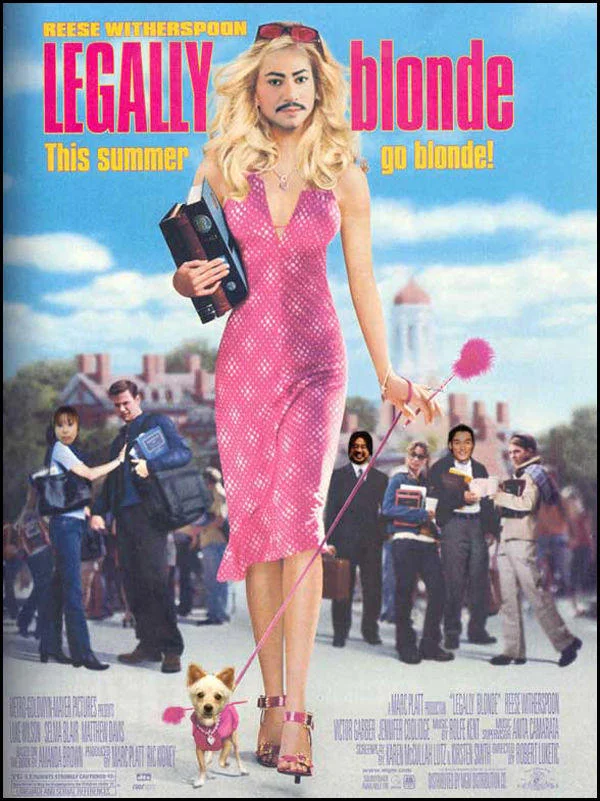
Face Swap
Published August 20, 2026
Face Swap is a Photoshop trick where the faces of two or more people in a photo get digitally switched, producing unsettling or funny composites. The gag traces back to early 2000s image boards and blew up in 2015 when Face Swap Live and similar mobile apps made the effect instant on a phone camera.
Overview
Face Swap covers any picture or clip where one subject's face has been lifted and placed onto another, sometimes extended into "facebombing" that clones a single face onto everyone in a group photo3. Both approaches sit between digital portraiture and body horror, since even a small blending error turns an ordinary photo into a nightmare.
The trick lived inside Photoshop culture for years before mobile apps put it in the hands of anyone with a phone. Face Swap Live, released for iPhone in December 2015, pitched itself as a way to drop your face into celebrity portraits or trade features with a friend in real time from the camera view1. People mostly used it to generate glitchy, uncanny selfies that spread widely as reaction images.
Gallery
Origin & Background
How It Spread
How to Use This Meme
A manual Face Swap usually starts with two subjects facing the camera at roughly the same angle. One face is cut out with a selection tool, pasted onto the other head, then color and edges are blended so the transplant reads as intentional. Common convention keeps the receiving head's hair, ears, and neck intact so the mismatch is obvious. Mobile apps like Face Swap Live automate the whole process, though the automatic blend often warps features in ways that get shared as bloopers1.