Friend Zone

1994Slang / concept / image macro seriesclassic

Also known as: Friendzone · Friend-Zoned · Friendzoning

Friend Zone is a 1994-coined relationship concept from sitcom *Friends*, popularized through 2010s image macros depicting unrequited romantic desire within friendships.

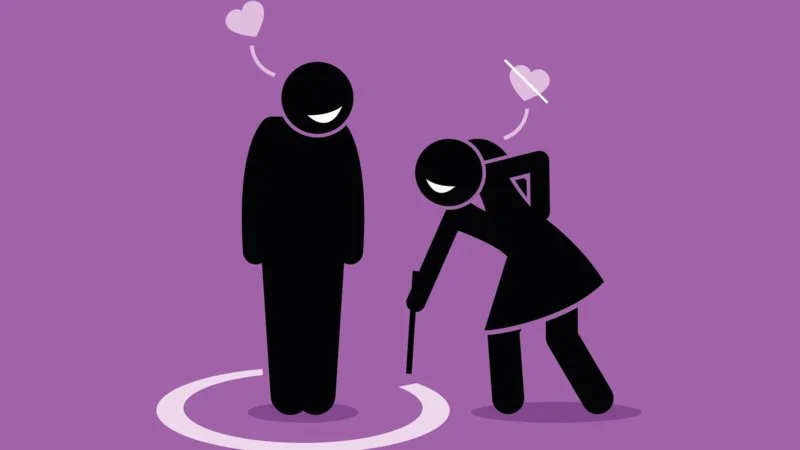
The Friend Zone is a widely recognized internet concept describing a situation where one person in a friendship wants a romantic relationship, but the other only sees them as a friend. The term was coined in the 1994 sitcom *Friends* and spread across early internet forums before becoming one of the most memed relationship tropes of the 2010s1. It has sparked academic research, feminist critique, self-help industries, and an endless supply of image macros.

TL;DR

The Friend Zone is a widely recognized internet concept describing a situation where one person in a friendship wants a romantic relationship, but the other only sees them as a friend.

Overview

The Friend Zone refers to the position someone finds themselves in when they develop romantic feelings for a friend who doesn't feel the same way. The "zoned" person is stuck: close enough to care, too close to move on, and not close enough to date. In meme culture, it's been represented through image macros, advice animals, rage comics, and exploitable photo formats. The humor usually comes from exaggerated depictions of romantic rejection disguised as friendship, like a girl calling her admirer "like a brother" or using him as an emotional support stand-in for an actual boyfriend6.

The concept taps into a universal awkwardness around unrequited feelings, though it's also become a lightning rod for debates about gender dynamics, entitlement, and whether men and women can actually be platonic friends3.

The term "Friend Zone" was invented in Season 1, Episode 7 of *Friends*, titled "The One with the Blackout," which aired on November 3, 19944. In the episode, Joey Tribbiani warns Ross Geller that he's waited too long to tell Rachel Green how he feels. Joey's exact line: "You waited too long to make your move and now you're in the Friend Zone"8. He goes on to declare Ross the "mayor of the zone" and warns that if he doesn't act soon, he'll be "stuck in the zone forever"7. The episode was written by Jeff Astrof and Mike Sikowitz1.

The phrase didn't immediately explode into mainstream slang. It simmered through the late '90s, getting a boost when Chris Rock referenced the concept in his 1996 *Bring the Pain* special, joking that men who have female "friends" are really just guys who "haven't fucked yet" and that ending up in the friend zone happens because of "a wrong turn somewhere"4.

Origin & Background

Platform
NBC television (*Friends*), internet forums (viral spread)
Key People
Jeff Astrof and Mike Sikowitz, Matt LeBlanc as Joey Tribbiani
Date
1994

The term "Friend Zone" was invented in Season 1, Episode 7 of *Friends*, titled "The One with the Blackout," which aired on November 3, 1994. In the episode, Joey Tribbiani warns Ross Geller that he's waited too long to tell Rachel Green how he feels. Joey's exact line: "You waited too long to make your move and now you're in the Friend Zone". He goes on to declare Ross the "mayor of the zone" and warns that if he doesn't act soon, he'll be "stuck in the zone forever". The episode was written by Jeff Astrof and Mike Sikowitz.

The phrase didn't immediately explode into mainstream slang. It simmered through the late '90s, getting a boost when Chris Rock referenced the concept in his 1996 *Bring the Pain* special, joking that men who have female "friends" are really just guys who "haven't fucked yet" and that ending up in the friend zone happens because of "a wrong turn somewhere".

How It Spread

The Friend Zone migrated to the internet in the early 2000s. On July 17, 2002, a Straight Dope Forums user posted a thread titled "Friend Zone, Truth or Fiction? Ladies?" asking women to explain why they reject men with the phrase "I don't want to ruin our friendship". The first Urban Dictionary entry arrived on December 15, 2003, when user "I Like Bread" defined it as "What you attain after you fail to impress a woman you're attracted to".

The mid-2000s saw the concept formalized through pseudoscientific frameworks like "Ladder Theory," allegedly developed by Dallas Lynn and Jared Whitson in 1994. The theory claims women mentally sort men onto two separate ladders (friends and potential partners), while men maintain a single ladder for everyone they meet. It picked up discussion in outlets like the Harvard Crimson and ElleGirl Magazine.

The 2005 film *Just Friends*, starring Ryan Reynolds as a guy trying to escape a lifelong friend zone with his high school crush, brought the concept to mainstream Hollywood. But the meme's real explosion came in 2011-2012. On February 27, 2011, Redditor dubtool posted "Friend zone [fixed]" to r/pics with a *Super Mario Bros.* screenshot showing instructions for escaping the friend zone, pulling over 5,600 upvotes. Psychology Today published advice on "escaping the friend zone" that same year.

The meme hit peak velocity in April 2012. Redditor xawesome posted "Friend Zone Level: Bridge" to r/funny on April 4, featuring a photo of a woman walking across a man lying over a stream. It earned 24,300 upvotes and 1,120 comments. Two days later, BuzzFeed ran "18 People Who Will Never Get Out of the Friendzone," compiling cringe-worthy photos of men looking uncomfortable around women. By July 2012, the concept was being challenged from within Reddit itself: a Matrix Morpheus image macro posted to r/Feminism mocked the friend zone concept.

MTV launched a reality show called *Friend Zone* during this era, following people as they confessed romantic feelings to their friends. The Cambridge Dictionary officially added the term in 2013.

In September 2016, the Friend Zone got its own unofficial logo when Reddit user Dro2614 posted a design showing one hand making a half-heart shape while the other gives a thumbs-up. The image racked up over 2 million views on Imgur in under 15 hours. The BBC covered the logo's creation, noting that the original design likely originated on FinoFilipino.org.

How to Use This Meme

Friend Zone memes typically fall into a few formats:

- Photo captions: An image of a guy looking dejected next to a girl who's clearly not interested, with captions like "She said I'm like a brother to her" or "Friend Zone Level: 9000" - Image macros: Using templates like Matrix Morpheus ("What if I told you / the friend zone doesn't exist") or the expanding brain meme to comment on the concept - Exploitable photos: Real or staged photos showing one-sided affection, labeled with "Friend Zone" captions - Self-deprecating humor: People joking about their own friend zone experiences, often with rage comic faces or reaction images

The format is flexible. Any image showing unrequited affection, romantic awkwardness, or a "just friends" dynamic can get the friend zone treatment.

Cultural Impact

The Friend Zone crossed from internet humor into serious academic study. In 2012, researchers at the University of Wisconsin-Eau Claire interviewed 88 pairs of male-female friends and found significant gender differences: men were far more attracted to their female friends than the reverse, and men consistently assumed their feelings were mutual when they weren't. Women, meanwhile, assumed the lack of attraction was mutual, leaving both sides blind to how the other actually felt. The study was covered by Scientific American and the Huffington Post.

A Binghamton University study surveyed 562 undergraduates and found that 92.6% of exclusively heterosexual females had friend-zoned someone, compared to 65.7% of males. Flipping the question, 75.2% of heterosexual males had been friend-zoned versus only 41.2% of females.

The concept drew sharp feminist criticism. Writers Rivu Dasgupta and Amanda Marcotte argued the friend zone is rooted in male entitlement, implying that women owe romantic interest to men who are nice to them. Ryan Milner of the College of Charleston called it "a harmful aspect of patriarchal authority and male domination". Guardian columnist Ally Fogg offered a more sympathetic reading, arguing that while the friend zone doesn't literally exist, the term reflects genuine emotional pain for men with low self-esteem, and using it doesn't automatically make someone a misogynist.

The concept also fueled a cottage industry of dating advice. Psychology Today's blog advised friend-zoned individuals to seem "less interested" and "make themselves scarce," drawing on Robert Cialdini's scarcity principle. WikiHow published step-by-step guides on escaping the friend zone, and pickup artist communities on Reddit's r/seduction treated it as a core problem to solve.

Fun Facts

The writers of the *Friends* episode that coined the term, Jeff Astrof and Mike Sikowitz, likely didn't realize they were introducing a phrase that would enter the dictionary two decades later.

Ross and Rachel, the fictional couple that spawned the term, actually do end up married by the series finale, proving Joey's friend zone theory wrong within the show's own universe.

The term can be "verbified" in multiple ways: someone can be "friend-zoned," someone can "friend-zone" another person, and the person doing it is technically the "friend-zoner".

Older men are ten times more likely than older women to list romantic attraction as a benefit of opposite-sex friendships, compared to four times more likely among younger people.

Linda Sapadin, a psychologist, argued that the belief men and women can't be friends "comes from another era in which women were at home and men were in the workplace, and the only way they could get together was for romance".

Derivatives & Variations

Friend Zone Logo:

A hand gesture showing one hand as a half-heart and the other as a thumbs-up, created in 2016 and viewed over 2 million times on Imgur[6]

Friend Zone Level memes:

A series where users compete to show the most extreme examples, like the "Bridge" photo where a woman literally walks over a man[5]

Ladder Theory:

A pseudo-academic framework claiming to explain friend zone dynamics through separate ranking systems for men and women[12]

"Mayor of the Friend Zone":

A recurring joke referencing Joey's original line about Ross, used as a self-deprecating title[7]

MTV's *Friend Zone*:

A reality TV show based entirely on the concept, featuring real friend-to-romance confession attempts[9]

Nice Guy crossover:

The friend zone concept became closely linked to "Nice Guy Syndrome," where men believe kindness entitles them to romantic interest[4]

Frequently Asked Questions

FriendZone

1994Slang / concept / image macro seriesclassic

Also known as: Friendzone · Friend-Zoned · Friendzoning

Friend Zone is a 1994-coined relationship concept from sitcom *Friends*, popularized through 2010s image macros depicting unrequited romantic desire within friendships.

The Friend Zone is a widely recognized internet concept describing a situation where one person in a friendship wants a romantic relationship, but the other only sees them as a friend. The term was coined in the 1994 sitcom *Friends* and spread across early internet forums before becoming one of the most memed relationship tropes of the 2010s. It has sparked academic research, feminist critique, self-help industries, and an endless supply of image macros.

TL;DR

The Friend Zone is a widely recognized internet concept describing a situation where one person in a friendship wants a romantic relationship, but the other only sees them as a friend.

Overview

The Friend Zone refers to the position someone finds themselves in when they develop romantic feelings for a friend who doesn't feel the same way. The "zoned" person is stuck: close enough to care, too close to move on, and not close enough to date. In meme culture, it's been represented through image macros, advice animals, rage comics, and exploitable photo formats. The humor usually comes from exaggerated depictions of romantic rejection disguised as friendship, like a girl calling her admirer "like a brother" or using him as an emotional support stand-in for an actual boyfriend.

The concept taps into a universal awkwardness around unrequited feelings, though it's also become a lightning rod for debates about gender dynamics, entitlement, and whether men and women can actually be platonic friends.

The term "Friend Zone" was invented in Season 1, Episode 7 of *Friends*, titled "The One with the Blackout," which aired on November 3, 1994. In the episode, Joey Tribbiani warns Ross Geller that he's waited too long to tell Rachel Green how he feels. Joey's exact line: "You waited too long to make your move and now you're in the Friend Zone". He goes on to declare Ross the "mayor of the zone" and warns that if he doesn't act soon, he'll be "stuck in the zone forever". The episode was written by Jeff Astrof and Mike Sikowitz.

The phrase didn't immediately explode into mainstream slang. It simmered through the late '90s, getting a boost when Chris Rock referenced the concept in his 1996 *Bring the Pain* special, joking that men who have female "friends" are really just guys who "haven't fucked yet" and that ending up in the friend zone happens because of "a wrong turn somewhere".

Origin & Background

Platform
NBC television (*Friends*), internet forums (viral spread)
Key People
Jeff Astrof and Mike Sikowitz, Matt LeBlanc as Joey Tribbiani
Date
1994

The term "Friend Zone" was invented in Season 1, Episode 7 of *Friends*, titled "The One with the Blackout," which aired on November 3, 1994. In the episode, Joey Tribbiani warns Ross Geller that he's waited too long to tell Rachel Green how he feels. Joey's exact line: "You waited too long to make your move and now you're in the Friend Zone". He goes on to declare Ross the "mayor of the zone" and warns that if he doesn't act soon, he'll be "stuck in the zone forever". The episode was written by Jeff Astrof and Mike Sikowitz.

The phrase didn't immediately explode into mainstream slang. It simmered through the late '90s, getting a boost when Chris Rock referenced the concept in his 1996 *Bring the Pain* special, joking that men who have female "friends" are really just guys who "haven't fucked yet" and that ending up in the friend zone happens because of "a wrong turn somewhere".

How It Spread

The Friend Zone migrated to the internet in the early 2000s. On July 17, 2002, a Straight Dope Forums user posted a thread titled "Friend Zone, Truth or Fiction? Ladies?" asking women to explain why they reject men with the phrase "I don't want to ruin our friendship". The first Urban Dictionary entry arrived on December 15, 2003, when user "I Like Bread" defined it as "What you attain after you fail to impress a woman you're attracted to".

The mid-2000s saw the concept formalized through pseudoscientific frameworks like "Ladder Theory," allegedly developed by Dallas Lynn and Jared Whitson in 1994. The theory claims women mentally sort men onto two separate ladders (friends and potential partners), while men maintain a single ladder for everyone they meet. It picked up discussion in outlets like the Harvard Crimson and ElleGirl Magazine.

The 2005 film *Just Friends*, starring Ryan Reynolds as a guy trying to escape a lifelong friend zone with his high school crush, brought the concept to mainstream Hollywood. But the meme's real explosion came in 2011-2012. On February 27, 2011, Redditor dubtool posted "Friend zone [fixed]" to r/pics with a *Super Mario Bros.* screenshot showing instructions for escaping the friend zone, pulling over 5,600 upvotes. Psychology Today published advice on "escaping the friend zone" that same year.

The meme hit peak velocity in April 2012. Redditor xawesome posted "Friend Zone Level: Bridge" to r/funny on April 4, featuring a photo of a woman walking across a man lying over a stream. It earned 24,300 upvotes and 1,120 comments. Two days later, BuzzFeed ran "18 People Who Will Never Get Out of the Friendzone," compiling cringe-worthy photos of men looking uncomfortable around women. By July 2012, the concept was being challenged from within Reddit itself: a Matrix Morpheus image macro posted to r/Feminism mocked the friend zone concept.

MTV launched a reality show called *Friend Zone* during this era, following people as they confessed romantic feelings to their friends. The Cambridge Dictionary officially added the term in 2013.

In September 2016, the Friend Zone got its own unofficial logo when Reddit user Dro2614 posted a design showing one hand making a half-heart shape while the other gives a thumbs-up. The image racked up over 2 million views on Imgur in under 15 hours. The BBC covered the logo's creation, noting that the original design likely originated on FinoFilipino.org.

How to Use This Meme

Friend Zone memes typically fall into a few formats:

- Photo captions: An image of a guy looking dejected next to a girl who's clearly not interested, with captions like "She said I'm like a brother to her" or "Friend Zone Level: 9000" - Image macros: Using templates like Matrix Morpheus ("What if I told you / the friend zone doesn't exist") or the expanding brain meme to comment on the concept - Exploitable photos: Real or staged photos showing one-sided affection, labeled with "Friend Zone" captions - Self-deprecating humor: People joking about their own friend zone experiences, often with rage comic faces or reaction images

The format is flexible. Any image showing unrequited affection, romantic awkwardness, or a "just friends" dynamic can get the friend zone treatment.

Cultural Impact

The Friend Zone crossed from internet humor into serious academic study. In 2012, researchers at the University of Wisconsin-Eau Claire interviewed 88 pairs of male-female friends and found significant gender differences: men were far more attracted to their female friends than the reverse, and men consistently assumed their feelings were mutual when they weren't. Women, meanwhile, assumed the lack of attraction was mutual, leaving both sides blind to how the other actually felt. The study was covered by Scientific American and the Huffington Post.

A Binghamton University study surveyed 562 undergraduates and found that 92.6% of exclusively heterosexual females had friend-zoned someone, compared to 65.7% of males. Flipping the question, 75.2% of heterosexual males had been friend-zoned versus only 41.2% of females.

The concept drew sharp feminist criticism. Writers Rivu Dasgupta and Amanda Marcotte argued the friend zone is rooted in male entitlement, implying that women owe romantic interest to men who are nice to them. Ryan Milner of the College of Charleston called it "a harmful aspect of patriarchal authority and male domination". Guardian columnist Ally Fogg offered a more sympathetic reading, arguing that while the friend zone doesn't literally exist, the term reflects genuine emotional pain for men with low self-esteem, and using it doesn't automatically make someone a misogynist.

The concept also fueled a cottage industry of dating advice. Psychology Today's blog advised friend-zoned individuals to seem "less interested" and "make themselves scarce," drawing on Robert Cialdini's scarcity principle. WikiHow published step-by-step guides on escaping the friend zone, and pickup artist communities on Reddit's r/seduction treated it as a core problem to solve.

Fun Facts

The writers of the *Friends* episode that coined the term, Jeff Astrof and Mike Sikowitz, likely didn't realize they were introducing a phrase that would enter the dictionary two decades later.

Ross and Rachel, the fictional couple that spawned the term, actually do end up married by the series finale, proving Joey's friend zone theory wrong within the show's own universe.

The term can be "verbified" in multiple ways: someone can be "friend-zoned," someone can "friend-zone" another person, and the person doing it is technically the "friend-zoner".

Older men are ten times more likely than older women to list romantic attraction as a benefit of opposite-sex friendships, compared to four times more likely among younger people.

Linda Sapadin, a psychologist, argued that the belief men and women can't be friends "comes from another era in which women were at home and men were in the workplace, and the only way they could get together was for romance".

Derivatives & Variations

Friend Zone Logo:

A hand gesture showing one hand as a half-heart and the other as a thumbs-up, created in 2016 and viewed over 2 million times on Imgur[6]

Friend Zone Level memes:

A series where users compete to show the most extreme examples, like the "Bridge" photo where a woman literally walks over a man[5]

Ladder Theory:

A pseudo-academic framework claiming to explain friend zone dynamics through separate ranking systems for men and women[12]

"Mayor of the Friend Zone":

A recurring joke referencing Joey's original line about Ross, used as a self-deprecating title[7]

MTV's *Friend Zone*:

A reality TV show based entirely on the concept, featuring real friend-to-romance confession attempts[9]

Nice Guy crossover:

The friend zone concept became closely linked to "Nice Guy Syndrome," where men believe kindness entitles them to romantic interest[4]

Frequently Asked Questions