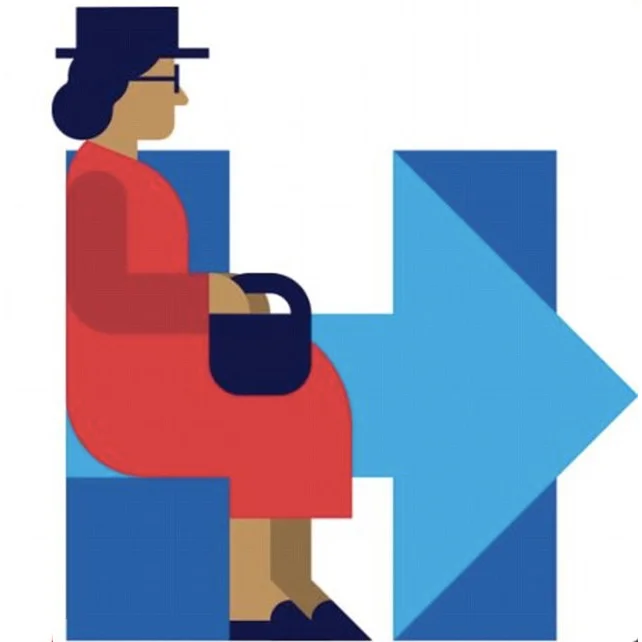
#HillaryNewLogo
Published October 15, 2026
#HillaryNewLogo was a parody Twitter hashtag that mocked Hillary Clinton's 2016 campaign for repeatedly retooling its H-shaped logo to court Black voters during Rosa Parks Day and Kwanzaa. The backlash started on December 1st, 2015, when Clinton's account posted an avatar showing Parks on an H-shaped bus seat, then intensified on December 26th with a Kwanzaa kinara edit. By the next day, Black Twitter had filled the tag with mock logos featuring stereotypically Black cultural objects.
Overview
Parody logos circulating under the tag replace the horizontal arrow inside Clinton's blue H logo with objects stereotypically tied to Black American culture, mocking what posters saw as transparent political outreach1. The joke works by extending Clinton's own branding template, so each parody looks superficially like an official campaign avatar while making the pandering painfully obvious2.
Black Twitter users ran the hashtag as a group roast of the campaign's custom-themed avatars, and Daily Mail covered the Rosa Parks version as a PR misstep that reduced a Civil Rights icon to campaign branding1. The Kwanzaa logo released weeks later gave the backlash its hashtag and turned a one-off complaint into a running Twitter joke4.
Gallery
Origin & Background
How It Spread
Timeline
2015-12-01
Hillary Clinton's Twitter avatar is updated with a Rosa Parks logo for the 60th anniversary of her arrest, drawing immediate Black Twitter criticism.
2015-12-01
The Daily Caller, Mashable and Daily Mail publish coverage of the Rosa Parks avatar within hours of its posting.
2015-12-26
Clinton's account posts a Kwanzaa-themed avatar featuring a kinara in Pan-African colors, triggering the #HillaryNewLogo hashtag.
2015-12-27
More than a dozen parody logo designs appear on Twitter under the hashtag within 24 hours of the Kwanzaa avatar's debut.
How to Use This Meme
Posts typically start from Clinton's blue H campaign logo and replace the horizontal arrow inside the H with an object stereotypically associated with Black American culture, keeping the overall campaign look so the result reads like an official avatar. Common versions often lean on food, music or Civil Rights iconography played for maximum pandering effect, with captions framing the design as the campaign's next outreach idea.
Frequently Asked Questions
References (4)
- 1
- 2
- 3
- 4