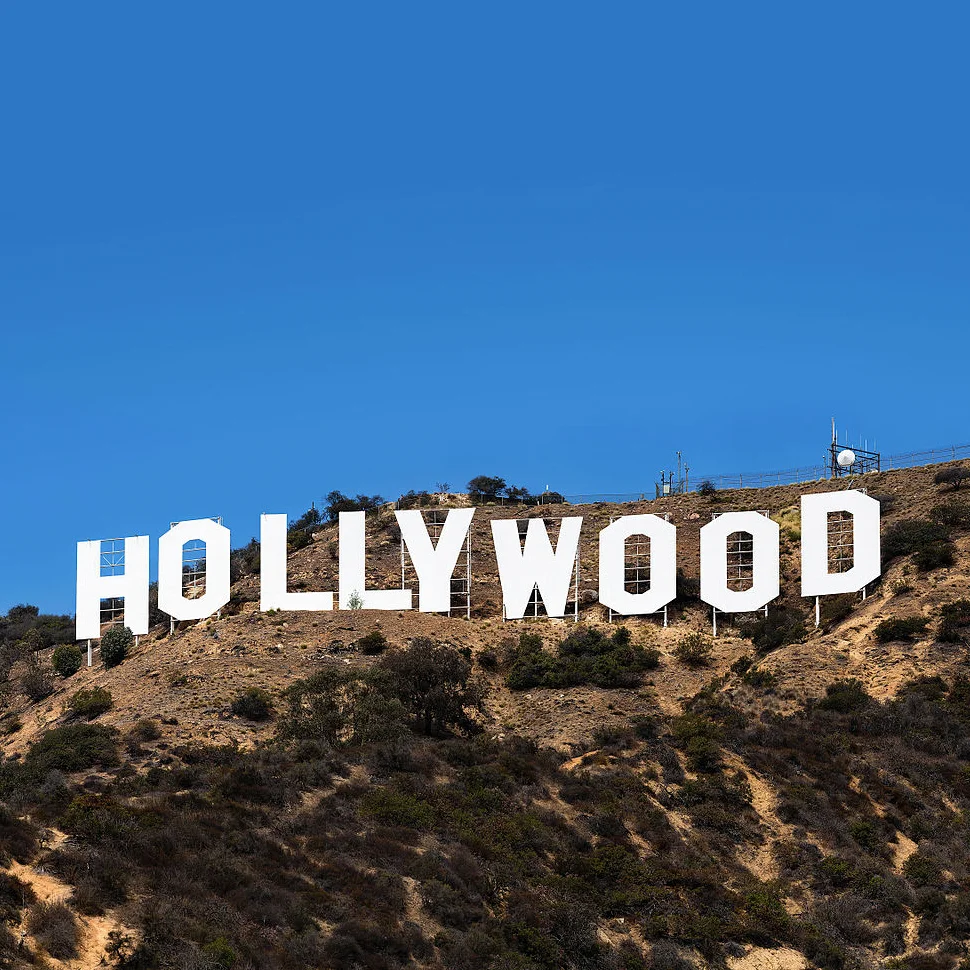
Hollywood Sign Parodies
Published August 1, 2026
Hollywood Sign Parodies are physical and digital alterations of the giant HOLLYWOOD letters on Mount Lee in Los Angeles, swapping a few characters to make a joke or political statement. The tradition traces to a 1976 art-school stunt that turned the sign into HOLLYWeeD, and versions have appeared onsite and online ever since.
Overview
Hollywood Sign Parodies cover the long tradition of altering or digitally editing the giant white letters on Mount Lee to spell something other than HOLLYWOOD1. The sign has been physically edited by pranksters and artists since the 1970s, and digital knockoffs started spreading through image generator sites in the mid-2000s5. Because the sign is one of the most recognizable objects in Los Angeles, swapping just a couple of letters produces an image that reads as commentary or a punchline at a glance.
Physical alterations usually involve draping tarps or curtains over specific letters to change what they spell. The best-known example is HOLLYWeeD, pulled off in 1976 and again in 201714. Digital versions cover everything from movie references to fake city renames, typically made with online generators that let anyone drop custom text onto a photo of the hillside5.
The sign itself went up in 1923 as an ad for a real estate development, originally reading HOLLYWOODLAND, with 45-foot-tall block letters lit by 4,000 lightbulbs2. The last four letters came down in 1949, leaving the shorter version that everyone recognizes today2. That status as a landmark is exactly what makes the parodies work.
Gallery
Origin & Background
How It Spread
How to Use This Meme
Physical alterations require climbing Mount Lee and are prosecuted as trespassing when caught, as the 2017 case showed1. The common route now is digital. Typical practice keeps the exact typography and the hillside setting so the swap reads as authentic, then replaces HOLLYWOOD with a shorter or same-length word that lands the joke. Meme generators handle the alignment automatically5. The gag often works best when the replacement word plays off the meaning of Hollywood itself, as with HOLLYWEED, or comments on a news story that gives the sign fresh relevance. Fewer letter swaps tend to hit harder than a full rewrite, since the reader's brain fills in the original word underneath.
Frequently Asked Questions
References (7)
- 1
- 2
- 3
- 4
- 5
- 6
- 7