Innocence of Muslims

2012viral videoclassic

Published August 31, 2026

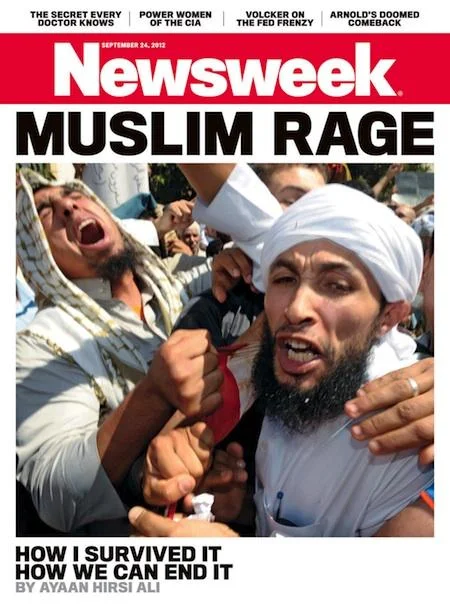
Innocence of Muslims is an anti-Islam film whose 13-minute YouTube trailer sat obscure from July 2012 until an Arabic dub aired on Egyptian television that September, triggering deadly protests across the Muslim world and inspiring the sarcastic #MuslimRage hashtag revolt that turned Newsweek's cover story into a punchline.

Overview

The internet story of Innocence of Muslims has two halves. The first is the video itself, a 13-minute clip credited to a mystery YouTuber calling himself Sam Bacile that showed scenes many Muslims found offensive to the Prophet Muhammad2. The second is the online counter-reaction: after Newsweek posted a #MuslimRage tweet on September 17, 2012, Twitter users flooded it with jokes about missed prayers and spilled tea rather than serious commentary3.

Reporters spent weeks unwinding the producer's aliases, the film's fake director credit, and the mystery YouTube handle behind the upload; the resulting news cycle became the main way most Western readers ever encountered the film1.

Origin & Background

Platform
YouTube / Egyptian TV (viral spread)
Creator
Nakoula Basseley Nakoula
Date
2012

On July 2, 2012, a YouTube account under the handle SamBacile uploaded two 13-minute clips titled "The Real Life of Muhammad" and "Muhammad Movie Trailer," both cut from a feature called Innocence of Muslims2. The film had been shot in California in 2011 under the working title Desert Warrior, and about 80 cast and crew later said in a joint statement that the anti-Islam dialogue and references to Muhammad were dubbed in during post-production without their knowledge or consent4.

The Associated Press identified the producer as Nakoula Basseley Nakoula, a 55-year-old Egyptian-born Coptic Christian from Cerritos, California, with earlier bank fraud convictions and a stack of aliases including Nicola Bacily and Erwin Salameh1.

How It Spread

The clips drew little notice until early September 2012, when an Arabic-dubbed version aired on the Egyptian channel Al-Nas on September 8 and Egyptian bloggers pushed it into wider circulation4. On September 11, mobs stormed U.S. diplomatic sites in Cairo and Benghazi; the Libyan attack killed four Americans, including Ambassador J. Christopher Stevens, and reporters identified Nakoula as the film's producer within days as demonstrations spread across the Muslim world1.

On September 17, Newsweek ran an Ayaan Hirsi Ali cover essay titled "Muslim Rage" and posted a tweet asking readers to weigh in with the hashtag #MuslimRage3. Within about half an hour, the tag was overrun with sarcastic tweets about petty annoyances, prayer mishaps, and mundane frustrations rather than the debate Newsweek had asked for, a swing that news outlets covered as its own story that same day4.

Frequently Asked Questions