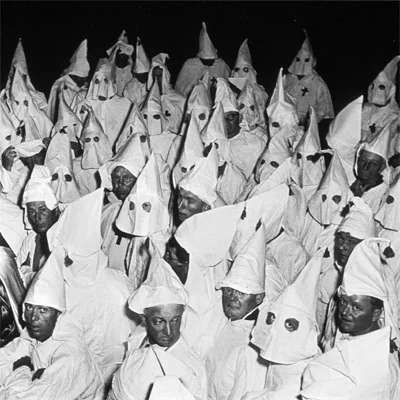
Ku Klux Klan

1995subculturedeclining

Published September 4, 2026

The Ku Klux Klan built an early organized hate presence online, starting with anonymous Usenet groups in the 1980s and expanding onto the Stormfront BBS in 1995. In November 2014, Anonymous hacktivists retaliated against Ferguson-era Klan threats with #OpKKK, doxxing hundreds of alleged members and knocking Klan-affiliated sites offline.

Overview

The Klan's online life spans decades, from anonymous Usenet groups in the 1980s to a scattered set of splinter sites tied to independent chapters rather than one central body4. Both the ADL and SPLC put total US membership between 3,000 and 6,000 people as of 2016, spread across dozens of small groups3.

Its digital footprint took two shapes. The ideological side runs through recruiter forums like Stormfront, The Daily Stormer and Metapedia, founded during the late 1990s and 2000s by figures with direct KKK ties2. The meme side is thinner, mostly viral news cycles like the doxxed 1927 Fred Trump arrest report and hacktivist campaigns that flipped the Klan's own hood imagery back at it1.

Origin & Background

Platform
Usenet / Stormfront BBS (viral spread)
Date
1995

Klan-adjacent activity online started on anonymous white supremacist Usenet newsgroups in the 1980s, which were later flagged as early hubs for extremist recruitment and even step-by-step bomb-making instructions3. In 1995, former Alabama Klansman Don Black and Chloê Hardin, ex-wife of ex-Grand Wizard David Duke, launched the Stormfront bulletin board system, which grew into the largest and longest-running white nationalist forum on the web2.

How It Spread

On November 15, 2014, an international network of Anonymous hackers launched #OpKKK after a Missouri chapter threatened 'lethal force' against Ferguson protesters3. The campaign used DDoS attacks and account takeovers to knock Klan sites and Twitter accounts offline, then dumped alleged personal data on roughly 350 members and details on 18 KKK-affiliated online communities, including photos, names, and home addresses3.

Klan-linked stories kept generating their own viral news cycles. In September 2015, Boing Boing resurfaced a June 1927 New York Times report naming Fred Trump, 21 at the time, among seven men arraigned after a 1,000-strong Klan parade brawled with 100 NYPD officers in Queens; Trump was discharged without conviction, and the story spread widely during Donald Trump's presidential run1. Watchdog reporting also flagged that nationwide chapter counts nearly tripled during 2015, from 72 to 190, even as long-term organized activity trended down4. An overview video covering this online history is still viewable on YouTube5.

How to Use This Meme

The KKK is a real organization, not a shareable meme template. Its name mostly appears online inside doxxing operations like #OpKKK, edgy shock jokes on image boards that get quickly removed, and viral controversies like the Fred Trump 1927 news resurfacing or celebrity posts mistakenly compared to Klan hoods1.

Frequently Asked Questions