Lana Del Rey

2011viral videoclassic

Published September 5, 2026

Lana Del Rey is the stage name of American singer-songwriter Elizabeth Grant, whose 2011 single 'Video Games' turned into one of the internet's first YouTube-driven major-label breakout stories1. Her January 2012 Saturday Night Live debut triggered a torrent of celebrity dunks, blog dogpiles and Hitler Reacts parodies that turned her into an early-2010s online argument about authenticity, hype and manufactured indie pop5.

Overview

The Lana Del Rey internet moment sits at the crossroads of a YouTube-native fame cycle and an instant, mass online backlash. The self-styled 'Video Games' music video, stitched together from grainy vintage clips and Del Rey's smoky Old Hollywood vocal, pulled in more than 20 million YouTube views within five months of its August 2011 upload and made her the poster case for artists breaking through on the platform before radio caught up3. Once it emerged that the 25-year-old had already renamed herself from 'Lizzy Grant' and signed with Interscope, music blogs split into two camps arguing whether she was a genuine bedroom-YouTube discovery or a marketing plant with a domain-investor father7.

The meme layer around her is less a single image macro than a cluster of running online jokes: the 'gangsta Nancy Sinatra' self-description she gave interviewers2, endless GIF sets of her stiff, slow-motion dancing6, and the wave of Hitler Reacts parody edits and blog headlines that followed her Saturday Night Live slot3. Every retelling of early-2010s music-internet history still uses her as the reference point for viral-then-vilified.

Origin & Background

Platform
YouTube (viral spread) / Saturday Night Live (backlash catalyst)
Creator
Elizabeth Grant
Date
2011

Elizabeth Grant, born June 21, 1986, first released 'Video Games' online on June 29, 2011 and uploaded the accompanying self-edited music video to her YouTube channel on August 19, 20113. She had already been through one shelved indie record deal in her early twenties under the name 'Lizzy Grant' before renaming herself Lana Del Rey and signing with Interscope, a background she discussed in an October 2011 Complex interview where she explained she'd only received real industry attention in the previous three months2.

The Quietus published one of the earliest long-form profiles on October 4, 2011, describing her as a 'good actress' whose David Lynch-flavored persona was already being tested by 'high profile bloggers to broadsheet columnists to disgruntled indie stars' questioning her authenticity1. That question, more than any specific song, is what made her a running online story.

How It Spread

The viral loop tightened when Del Rey made her national TV debut on Saturday Night Live on January 14, 2012, with Daniel Radcliffe hosting3. Twitter reaction was immediate and brutal: actress Juliette Lewis compared the vocal to 'a 12 year old in their bedroom,' Eliza Dushku piled on, and Perez Hilton tweeted that her 'utter lack of stage presence was cringe-worthy'5. Music blog Hipster Runoff summed the mood in a post titled 'Lana Del Rey EFFING TANKS on SNL. Is her career effing over?'3, and YouTube channel BitCandyMusic cut a Hitler Reacts parody of the performance within days3.

The backlash bled into mainstream press throughout the following week. NPR's Marc Hirsh had predicted before the show that the SNL slot would silence 'bloggers/haters,' a line that got quoted back at him repeatedly after the broadcast5. Complex Media ran an 'Overhyped and Overrated' takedown mocking 'the awkward swaying, the horrible wig and the lips that scream botox-abuse'5, while The Huffington Post ran a lighter GIF-set tribute to her 'dances slowly and without emotion' style in the aftermath6.

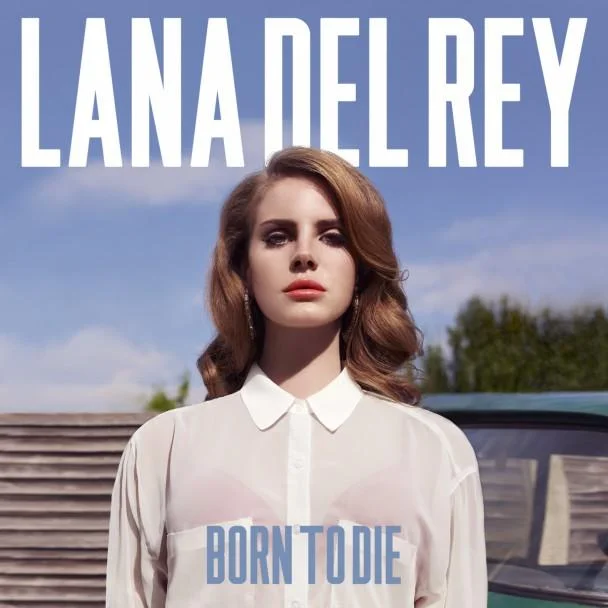
The controversy failed to sink her commercially. 'Born to Die' dropped on January 27, 2012, and debuted at number two on the Billboard 200, selling 77,000 copies in its first week, which Billboard flagged as the highest debut for a female major-label full-length since Jackie Evancho's 'Dream With Me' in July 20114. Critics stayed cool, with Pitchfork rating the album 5.5 and Metacritic aggregating a 58/100 across 30 reviews3. Follow-up YouTube uploads kept the numbers climbing: 'Summertime Sadness' arrived on July 20, 2012 and passed 161 million views within two years3, 'Young and Beautiful' from The Great Gatsby soundtrack landed on May 10, 2013 and cleared 87 million views inside a year3, and her February 4, 2014 cover of 'Once Upon a Dream' for Disney's Maleficent kept the meme-adjacent 'sad girl' aesthetic alive online3.

How to Use This Meme

As an internet reference, Lana Del Rey is typically invoked in three modes: as shorthand for a manufactured-indie authenticity debate (the 'is she real?' framing from 2011 to 2012)7, as a mood tag for slow, cinematic, sad-girl content on Tumblr and later TikTok, and as a punchline about disastrous live TV debuts, with the SNL clip commonly cited any time a new pop performance flops on air5. Fan usage online often leans on Urban Dictionary style deification, with entries defining her simply as 'perfection' or 'mother nature'8.

Frequently Asked Questions