LEGO

1932brand / fan communityclassic

Published September 5, 2026

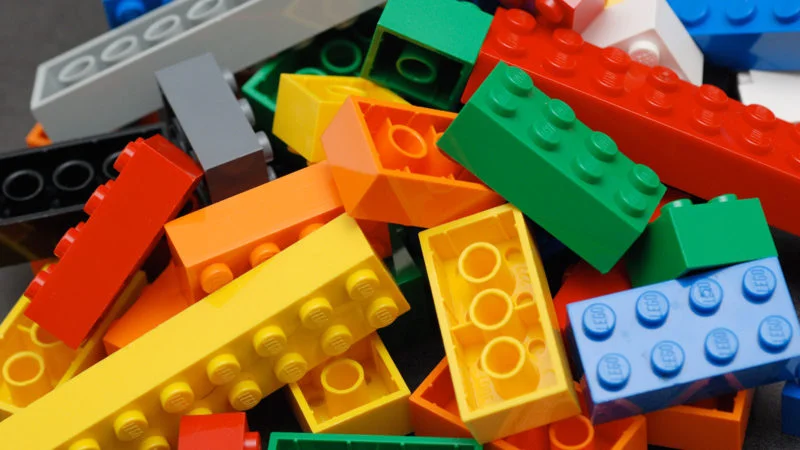
LEGO is the Danish interlocking plastic brick brand that grew from a 1932 wooden-toy workshop into a fixture of internet meme culture through fan-built creations, stop-motion parodies, and viral YouTube projects. Its digital footprint took shape once fan sites, subreddits, and brickfilm channels turned the studded brick into raw material for online remixing, and its Bionicle sub-brand produced one of the earliest full-scale online toy fandoms.

Overview

Online, LEGO shows up in two connected forms: as the physical toy that fans photograph and film, and as raw material for stop-motion parodies of other media. The r/LEGO subreddit, launched on March 23, 2008, pulled together over 45,100 subscribers in its first five years and turned into a daily feed of build photography and set critiques5. Alongside those fan spaces, Brickset became the reference database that adult fans (AFOLs) lean on to catalog every set the company has ever shipped6.

The brick system's modularity is what makes it work as meme fuel. One box of pieces can be rebuilt into a functioning printer, a battleship, or a scene from a video game, and the studded parts read clearly on camera. That flexibility fed the stop-motion "brickfilm" scene on YouTube, where hobbyists translated film trailers, sports moments, and match footage from competitive video games into brick form5. The Lego Wiki, launched February 11, 2006, gave fans a shared vocabulary for parts, sets, and characters, and passed 24,900 pages within its first eight years5.

Origin & Background

Platform
Physical toy (1932) / YouTube and Reddit (online fandom)
Creator
Ole Kirk Christiansen
Date
1932

The Lego Group was founded in 1932 by Danish carpenter Ole Kirk Christiansen, who spent the first two years making wooden toys before naming the company Lego5. The name is a contraction of the Danish phrase "leg godt," meaning "play well," which happens to coincide with the Latin "lego" ("I put together")10. In the late 1940s the company shifted to plastic and introduced its "automatic binding bricks," the direct ancestor of the modern stud-and-tube system5. Later decades brought licensed themes, theme parks in California, Denmark, Germany and the UK, and adult-friendly product lines10.

The company's online life started with Lego.com in 1996, followed by the fan-run Brickset database on July 10, 2000, which grew into the standard collector reference6. Programmable Mindstorms bricks arrived in 1998 and pulled in an unusually strong adult following, and Bionicle followed in 2001 as an in-house story-driven action-figure line1.

How It Spread

By the late 2000s LEGO was inseparable from the platforms where hobbyists shared builds. Redditor noname99 posted photos of a giant brick battleship to r/pics on September 21, 2008, drawing over 1,700 upvotes and 170 comments before the thread archived5. YouTuber horseattack uploaded a working LEGO printer on May 27, 2010, and the clip pulled in more than 4.79 million views over the next four years5. Stop-motion parody hit its stride in the same window: on December 21, 2012, YouTuber danmovproduction released a brick version of a League of Legends match that racked up 1.57 million views in eight months5.

The wider Bionicle fan infrastructure grew in parallel and produced one of the messier online community stories of the era. In late 2002 the fan site BZPower was hit by days of denial-of-service attacks from a self-identified Maori attacker angry about LEGO's use of Maori words in Bionicle character names, forcing its host to pull the forums offline7. Wired covered the dispute alongside a formal complaint from lawyer Maui Solomon on behalf of three Maori tribes, which pushed LEGO to send a representative to New Zealand and drop the name "Tohunga" in favor of "Matoran"3.

On the corporate side, the story around Bionicle itself spread through trade press and case studies. The Copenhagen agency ADVANCE, which credits its own foundation to its LEGO work since 1976, later described the launch as one of the boldest business decisions of the 2000-2010 decade in Danish paper Berlingske4.

How to Use This Meme

There is no single LEGO meme template, but the recurring formats are recognizable. Common conventions include still photos of oversized custom builds ("MOCs," or "my own creation"), brickfilm stop-motion that restages a scene from a movie or video game in bricks, and reaction posts about stepping on a stray piece8. Subreddit posts typically pair the build photo with a title flagging the set number or the parts count, while YouTube brickfilms often stay silent apart from music and audio pulled from the source material being parodied5.

Frequently Asked Questions